From empty community halls to celebrity stages

IMG_0215.JPG

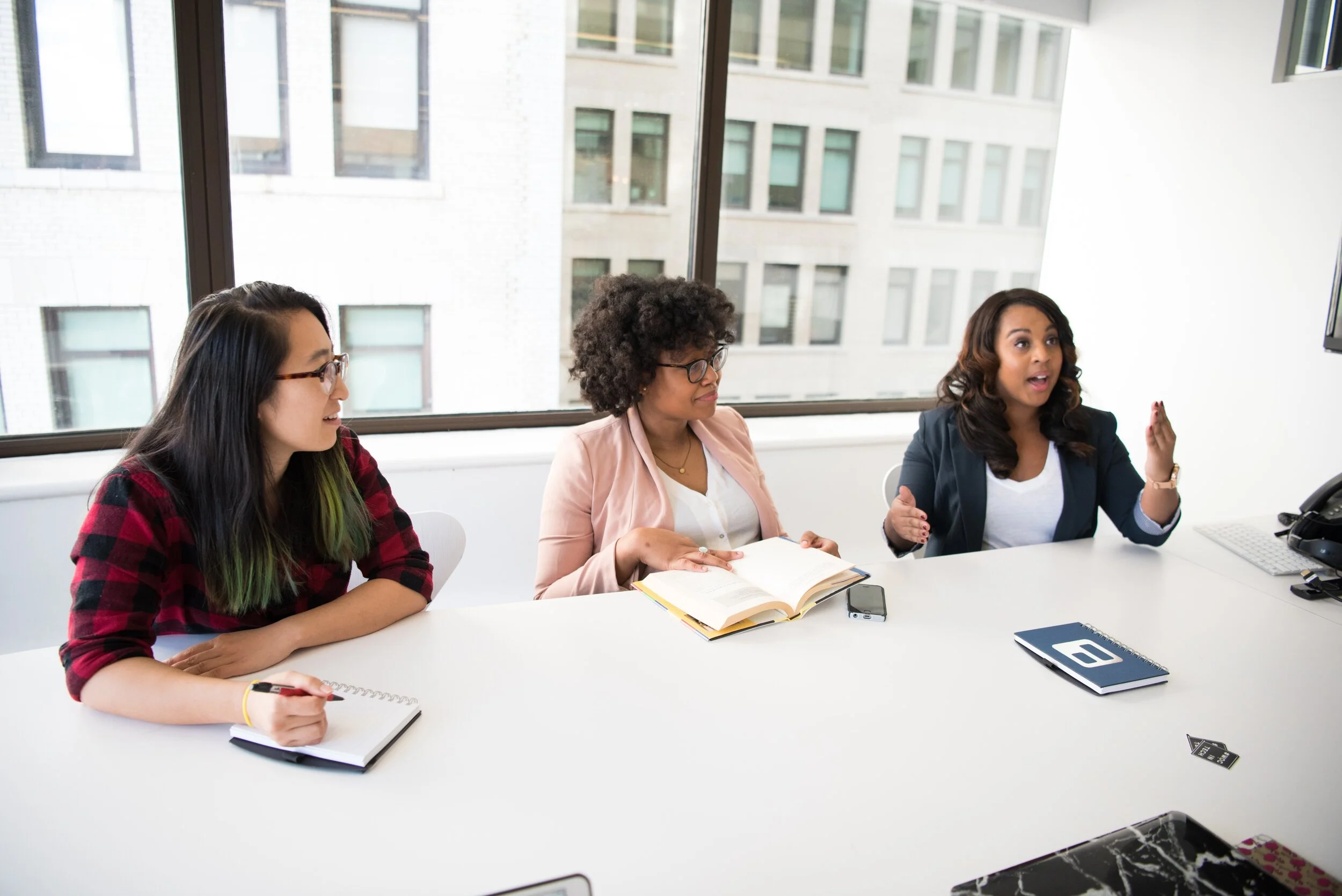
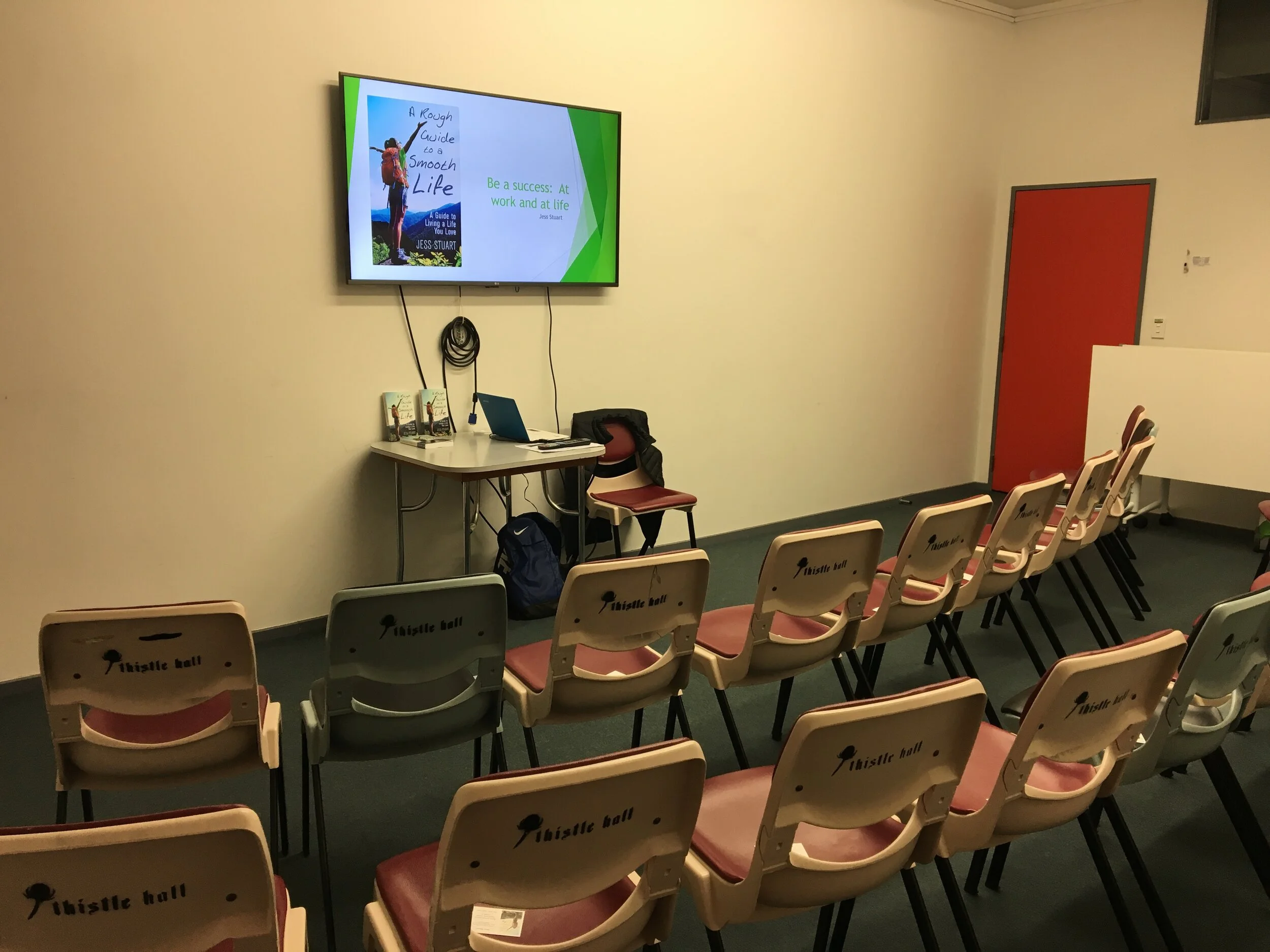
When I came to Wellington I had one book published to my name, no-one had really bought it and I knew no-one.  I set up a meet up group and started to put on free events in a bid to build my network and share my message.  I rented a community hall for $10 and sometimes sold a book at these events, but sometimes I’d be all set up like this (image above) and no-one would show up – even though it was free to attend!

I felt like a failure but it also made me realise there was a lot I needed to learn about marketing and events, so I set about learning.  I built a website, learned how to use social media effectively and started to build a database.  I had flyers printed and began sending messages to other groups who might let me speak at their events.

I could have quit, it was tempting at times, I thought about giving up.  But I knew I could succeed if I just learned what I didn’t know.  I was driven to make this happen but I was also open to failing along the way as an inevitable part of the process.  Not seeing it as proof I’m not cut out for this but a lesson I need to learn.

Slowly work of mouth grew and by the time I launched my second book in Wellington I’d been here 2 years and filled the venue with a crowd of people who outnumbered my friends and family (who I expected to be there!) – even the president of the National Council for Women came, along with my PR agent.  Times had changed and things continued to grow from there along with my confidence. 

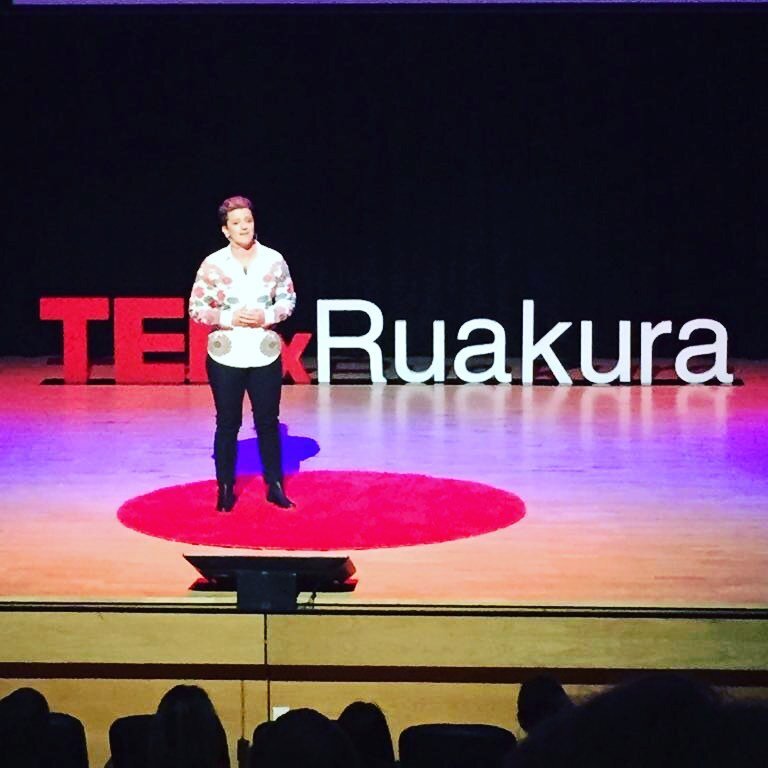
The same strategies and tactics landed me this speaking gig alongside Mike King just one year later (see below).  During the same year I appeared on TV, in magazines and on the radio.  I became known as an expert in my field and now rather than chasing speaking gigs I was being sought out and paid thousands.  This was my dream but it took a lot of hard work to get there.

It’s also worth mentioning that this big event, which should have taken place this week was cancelled due to Covid-19 border restrictions so it felt timely to reflect on how far I’ve come rather than what could have been this week!

I share this because so often we see failure as the end of the road, proof we’re not cut out for this.  Yet no-one writes a book and turns into a best seller overnight (unless they are a celebrity), no-one becomes a speaker and get’s the big stage on their first gig.  We all have to start somewhere and practice, we have to make mistakes to learn and we have to learn to grow and as part of that journey we will experience failure.  It’s part of the process. 

This process has taught me the value in failure and learning from mistakes.  It has also helped me grow and build my confidence so I can feel like I own my place on these stages now.  I wouldn’t have done a few years ago, I needed that practice and learning to feel comfortable and confident doing what I do now.

When we get out of our comfort zone we’ll either succeed or fail and learn something we needed to know in order to succeed, either way the path leads to the same place.  When we prove ourselves competent our confidence grows and it’s then we step into our power and succeed in our goal.

This also now adds to my credibility.  It becomes like a snowball this competence, confidence loop and the more success you experience and growth you have the more opportunities it leads to, including taking the TEDx stage for me this year.

Even those you look up to and aspire to be had to start somewhere and have probably learned a lot along the way.  With consistency and being open to failure we can go far, this has certainly been my experience.
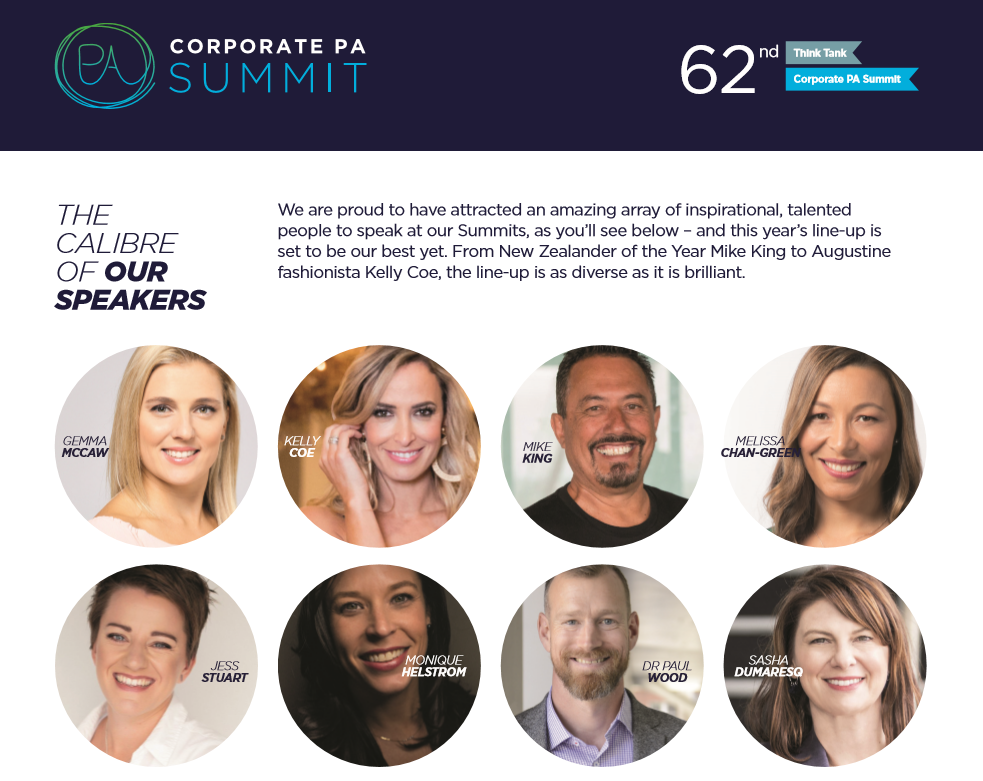
PA summit.PNG

My top five wellness rituals that keep me at my best

potential2.jpg

There are so many articles out there from the rich, famous, successful people on how they remain at their best, what they put their success down to.  Their health hacks through to their morning routines and everything in between.  Where wellness impacts us the most is in this space of success.  If we’re not well we can’t be successful.  We can’t have great ideas, get through the workload or have the energy to inspire others.  The healthier and happier we are as individuals the more effective and therefore successful we’re likely to be.  It’s why wellness has become big business, in business.

It’s something I discovered the hard way burning out in a senior corporate role at one of the biggest companies in the country.  Back in the days when I put hard work at the top of my to do list and deprioritised taking time off.  I saw down time as a waste of time – unproductive! The result? My performance suffered and ultimately my health.

It’s why these lessons have become the strategies I swear by not just to keep me functioning well but to help me go that extra mile in terms of the ideas I have the work I produce and the impact it has.  These are the strategies I attribute my success to and are what keep me bouncing out of bed each morning to do it all again – even on the hard days.

We’re only at our best when we feel healthy and well.  It means we’re able to achieve so much more.  When I’m well rested and at my best I come up with great ideas, I have more energy when I present and my mind is clearer when I sit down to tackle the to do lists.  I can get done in a day what it used to take 3 days to do – and it’s better quality.  From a performance perspective who wouldn’t say no to this?  If this was a pill I was selling with the same results it’d be one of the best selling drugs of all time.  There are similar themes that arise when CEOs and celebrities share their tips around wellness and what keeps them at their best, some you’ll recognise here.  It’s not a coincidence.  These are the things I swear by to keep me performing at my best.

Meditation – this has been life changing and over the last decade continues to be the number one skill I’ll always point to as the most important one I’ve ever learned – it’s also very simple.  I sit for ten minutes each morning and observe my breathing, sometimes with the support of an app.  Some days my mind is busy and other days peaceful but regardless of what I find this practice ensures I can cultivate calm and composure throughout the day.  It has helped me become more self-aware, control my thinking patterns, handle set backs, respond rather than react and regulate my emotions as well as become more present and therefore more aware of what’s going on around me.

Movement – for me it’s yoga because it grounds me as well as stretching my body and strengthening my muscles.  We’re all different though so it’s not really about what exercise you do it’s about making sure you move your body in a way that works for you.  I also enjoy getting my heart rate up, even if that means a trip to the gym – the exercise endorphins make me happy and the fitness makes me healthy.  I also appreciate the post workout sauna and my muscles relax and I get some thinking space – I’ve had many good ideas in the sauna post workout!  I’m also a fan of walking though and for reasons well beyond the exercise – this also allows me to get out into nature which is also key for my wellness, I love the sunshine and feel the effects of a daily dose of vitamin D when I get outside.

Solitude – as much as I love public speaking, connecting with people and delivering workshops I know I need to couple this with some alone time.  As an introvert being around lots of people exhausts me so when I’ve had a speaking heavy week I know I need a day to myself.  I’m a thinker and without this quiet time to process my thoughts they get a bit jumbled.  In a world of busyness and noise we’ve lost touch of the benefits of silence and time to be by ourselves.

Making sure I get an early night is key, I know I need my sleep and I know I’m not as effective without it, in terms of energy but also temperament and my ability to think clearly (therefore make decisions and problem solve).  I’ve also got a lot better at saying no.  I used to have a tendency to want to do all of the things – either because of FOMO or because I didn’t want to let people down.  Now I experience the opposite JOMO and the joy of missing out by taking a bath and going to bed early whilst everyone else heads off to that post conference party.

Rather than waste energy on things I can not change or worry about what ifs I like to ensure I get perspective.  I do this through a gratitude practice, that helps me see the positives in my life and my business and train the brain to offset its negativity bias. I also like to be aware of when my thoughts do tend towards the negative and why – what am I worrying about and what can I do about it.  I keep the Dali Lamas saying close by at times like this “if there’s a solution to your problem great don’t worry.  If there’s not a solution to your problem, there’s no point worrying”

Learning the art of acceptance and letting go of what we can’t control has been a game changer.

I notice when I don’t get time to devote to this stuff that my energy drops and I become less effective.  My health and mood suffer too.  That’s why these rituals sit at the top of my to do list.  It’s critical for me to survive and be at my best.  Not a nice to have, luxury item that I get around to at weekends or when I’ve done everything else on the to do list - because that never happens!

Of course this doesn’t make me immune to over doing it – taking on too much because of the high achiever drive or not saying no often enough because of the people pleasing tendencies.  I also notice when I get busy I need to focus on this stuff more – and it’s ironic because it’s at that point we have the least time to devote to it!  When I notice I’m in this space I spend less time on my device, cut down on what I’ve begun to drink as a coping mechanism or to ‘unwind’.  I make an effort to eat more fruit and veg and get more sleep. It’s a great kick start that helps me find space to pause and breath and focus back on my wellness tools.

So now you know my secret to success, what’s yours?  What keeps you functioning at your best and are you prioritising that?

Find out more on this free lunchtime webinar 16 December 2020

building a buffer into your schedule

goals].jpg

Recently I’ve been working on getting myself back to 100% after hitting a bit of a wall.  One of the things I had to do was regain control of my schedule so I could carve out some me time and time off.  I don’t know about you but I struggle to say no, I always want to help people out, take on more and often bite off more than I can chew or struggle to leave enough time for myself.

This year I set up automatic scheduling for all of my appointments which has been great for saving time, but I also noticed I’d end up with far too many appointments and struggle to fit in the stuff I needed to do for me as well.  On reflection this freedom was one of the reasons I chose to work for myself and I’d seemingly given it away to an online scheduling tool!

I discovered that my scheduling tool actually has a buffer setting.  This is a time limit you can set at the start/end of each meeting it books to give you time to breathe. 

So often we find ourselves in back to back meetings without time to eat away from our desk or even go to the bathroom.  To be our best we often need time between meetings to collect our thoughts, prepare, take a breath or at least a transition.  Do you have a buffer?  How can you create one?

It might not be via an electronic scheduling tool but the principle is the same.  How can you create space in your schedule for you, time to breath and an effective transitions between activities?  This used to be in the form of travel between meetings and home but these days the amount of time we spend on zoom or working from home these transitions and buffers are disappearing.

So now although I’ve handed control of my diary to an online scheduling tool I have regained control of keeping time back for me.  I’ve also blocked out a day a week in my diary for me – whether that’s to catch up on admin or get to the gym.  It gives me breathing space, a buffer and some flexibility in the busy weeks.  I also know there’s one less excuse now to find time for the things that keep me effective, help my wellness and are so critical to keeping us at our best.

You are your first teacher

yoga.jpg

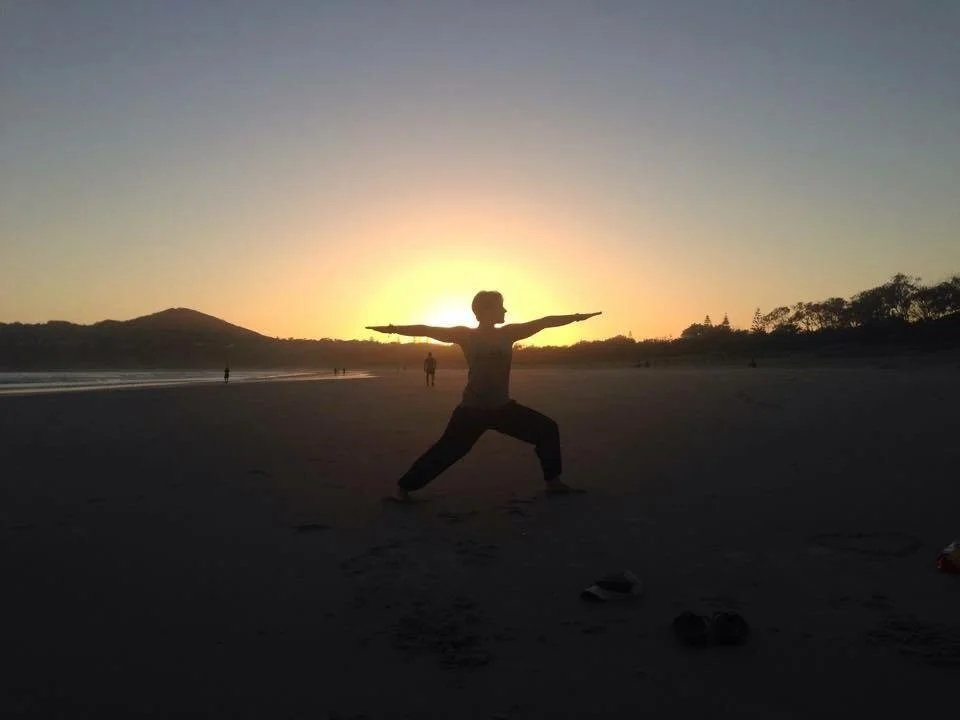
I love my lunchtime yoga classes at SPACE, it breaks up my day and gets me out of the office.  Recently in class I was reminded of something I learned during my yoga teacher training 5 years ago in Byron Bay.  You are your first teacher.  I’d been into yoga for sometime before I did my teacher training.  I’d also pulled muscles and injured my back in pursuit of the perfect pose.  To look like the others in the class and to push myself to be better.  After all isn’t this what we do in most areas of our life?

I hadn’t appreciated before that we know our own bodies best.  I hadn’t been accustomed to listening to my inner voice or intuition.  My focus was always external and more was always better.  That’s how I ended up in my career, relationships and life burned out, injured and feeling like a failure.

Fast forward 6 years and a lot of yoga and soul searching and I’m more inclined to be comfortable with doing what I can, on the day I get, with the body I have and knowing that this is different.  Same in life.  Just because we’re capable of brilliance, doesn’t mean we’ll be brilliant every day.

Listening to ourselves has been undervalued for so long.  Whether it’s that headstand in yoga that someone else is doing or the promotion your parents think you should go for.  What do you feel?  What’s your intuition telling you?

We are conditioned to compare ourselves to others, it’s our human nature in the developed world.  This then leads to us wanting to be more like others and less like ourselves – to push.  Now we can learn a lot from those around us but we should still be in the driving seat with that information rather than allowing it to influence us or wind up doing what we think we ‘should’.

It's something I shared in this recent video blog, using the analogy of my home grown tomatoes.  So often it’s the impatience of wanting to bloom or the comparison to how others bloom that leads us further from ourselves and closer towards discontentment.

How many times have you done a pose in class even though your body is screaming no at you through your joints.  How many times have you stayed late or replied to that email at 1030 even though you’d rather have been doing other things at home?  But everyone else is, what will they think of me, I don’t want to let them down??  The common thoughts that run though our mind when we’re operating from a place of ‘should’.

 This isn’t just about overstretching at yoga.  It’s leaving the relationship before it’s too late, it’s saying no the a few more wines even though everyone else wants you to join them in another bottle, it’s telling your boss about your boundaries or calling out a friend for not being around unless they want you for something.

 You are your first teacher and you know yourself better than anyone.  So if you want to be in childs pose not headstand do it, if you want to be a yoga teacher instead of a lawyer, do it.  If you want to leave your marriage to set an example to your kids about love and what you settle for, do it. 

Your gut feeling is there for a reason, it helps us become our authentic self, you are your first teacher.

Tattoos and transitions - no mud, no lotus

suffering-happiness-thich-nhat-hanh-quote.png

Last week I got a tattoo to mark my New Zealand citizenship.  It’s not my first tattoo but my first for 5 years at least.  It’ something I seem to do to mark a transition.  In fact if we look back at where tattoos come from they’ve always been used as part of ancient cultures to mark transitions, ceremonies and tribal belonging.

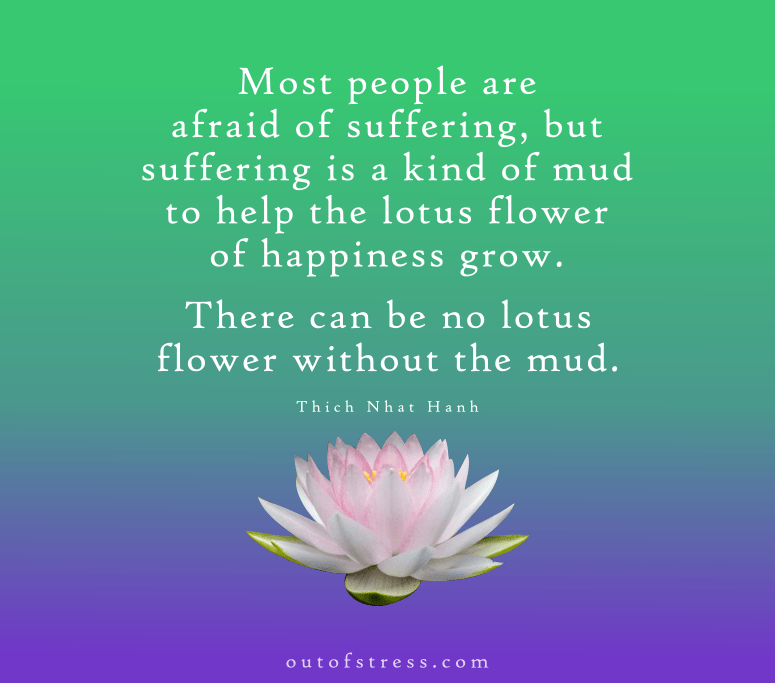
My last tattoo was the lotus on my left foot.  Synonymous with Buddhism I got this when I returned from a big trip that followed me leaving the corporate world and leaving my long term relationship to come out.  I spent time in Bhutan (the kingdom famous for Gross National Happiness in place of GDP), I taught English to Buddhist monks in northern Thailand and I spent time in Thich Nhat Hanh’s Plum Village in France.  Teaching Mindfulness and immersing myself in other cultures helped my own transition and self realisation.  It’s where I began to understand the metaphor that Thich Nhat Hanh himself wrote about – No mud, no lotus.

It’s easy to be happy when life is going well, we know that.  It’s a much bigger ask when challenges present, when things happen outside of our control, when life gets tough.

The lotus grows in the mud before it blooms above the water line and without the mud we don’t get the beautiful bloom – no mud, no lotus!  It can seem like this as we transition through life’s big moments, challenges we overcome.  The things that help us grow and make us stronger often feel like the very mud we’d rather avoid.  Without the mud and our challenges we would not experience the lotus or joy in our life as well.  Without the mud we don’t bloom into the lotus either and it’s through this growth process that we become who we are.  This has always been an important lesson for me – hence the tattoo!

Over the years I’ve learned that happiness is not the mere absence of suffering or temporary cessation of unhappiness.  It’s less about elation and perfection more about purpose and fulfilment, being connected to who you are.  A big part of this is resilience, tough times will come to us all.  It’s how you deal with it and bounce back that impacts your happiness. 

Being happy doesn’t mean there is no suffering and as Thich Nhat Hanh says in his book ‘No Mud, No Lotus’; “the art of happiness is also the art of suffering well.”  To be happy it is critical we embrace and manage our suffering.

We have an inbuilt predisposition to run from pain and although suffering is inevitable, avoidance of pain is such a major preoccupation for us.  The methods we employ to achieve this often contribute to more of the very pain we are trying to avoid; addictions, eating disorders, debt, etc.

Suffering is hard, even if we can accept it.  We don’t like to suffer, but it can also be where our biggest lessons come from.  Suffering is part of the human condition and it’s ok not to be ok.  If we get sick or lose someone we love of course we’ll suffer but as we sit with these feelings, sitting in the mud – what we realise is that over time the lotus starts to bloom.  So often it’s our deepest scars that can lead to our biggest gifts.  Standing in our power involves owning the past that got us here – the good and the bad.

Whether it’s being made redundant and having to find a new job not on your terms or finding yourself single after 20 years of marriage and forging a new life.  Regardless of the pain you may experience each experience provides an opportunity for a clean slate, a blank canvas for you to create the life you’ve always wanted.

Book your free 20 minute consultation call here to see how I can help you

Where's your edge and how close are you?

maksim-shutov-nEtMIe9mu1k-unsplash.jpg

It’s something we’re good at as women, pushing ourselves, operating close to our edge, taking on more, giving to others.  As people pleasers we tend to put others before ourselves, we don’t like saying no and hate letting people down.  It’s why so many of us run on empty, operate close to exhaustion and often don’t stop until we’re forced to – when we fall over that edge.

It’s something I’ve experienced recently and I should know better!  I’ve written books and delivered countless workshops on this topic and have all the tools.  Yet I’m also not immune to the people pleasing, achievement drive and the busyness epidemic so many of us experience.

I’ve recently reached my edge and the problem for me was that it was three days out from my wedding.  My normal advice would be to stop and rest but I kept pushing.  I didn’t want to let people down and of course I wanted to be at my wedding!  I continued to entertain family members who arrived the week leading up to the wedding, organise the last minute event details, worry about what might go wrong and squeeze in clients who wanted to see me before I took 10 days off.  I rationalised it by saying I could rest on honeymoon so it was ok to keep going despite my body telling me I needed to stop.

I’d also fallen into some bad habits and noticed those early signs of nearing the edge.  Reaching for a wine on a Friday night to unwind, losing the motivation to go to the gym, not making time for my usual yoga classes and eating all the wrong things.  I know these are my early warning signs but kept pushing regardless, and of course these things as well as being my warning signs also increase the toll I’m placing on myself as I dance around the edge.

It almost cost me my wedding day as I limped across that finish line, medicated by my doctor to get me through the symptoms of sickness I’d been trying to stave off.  Fortunately it was a lovely day and one I thoroughly enjoyed but what came after was the crash.  A tiredness that you feel deep in the bones, being close to tears, struggling to string words together - even looking for a car park became a task too much.  I slept through most of the honeymoon, 12 hours a night and then afternoon naps on top.  Thankfully I’m recovering and those few days off in beautiful Queenstown relaxing with my new wife were just what I needed.

I took some additional days off this week to ease back into work and have noticed I’m still not as motivated and energised about my work as I normally am.  A lingering cough sticks around reminding me of my edge.  I know the signs, I also know the tools but we still have to battle with years of conditioning and societal norms as women to say no, let people down, put us first and take the rest we need.  We’ll always have more things to do than time to do it in and if you’re a high achiever you’ll also be driven to do more and over-achieve goals and milestones.  Know the signs and reflect on what pushes you to your edge and how to stop yourself from going over it.

On reflection I can see I made some bad calls.  I should have protected more of my time, said no, took time off leading up to the wedding – basically the advice I give others, so why didn’t I? 

I’m aware that I took on more than I needed to, jobs that could have waited until after the wedding that I pushed ahead with, additional projects I took on that didn’t need to have such early deadlines.  I’d misjudged the emotional transition of getting married with the additional emotional toll of my UK based family not making it because of Covid.  On reflection I’m guilty of throwing myself into work to avoid feeling difficult emotions despite the intellectual understanding I have of this to know otherwise.  As I often say though ‘knowing and not doing is the same as not knowing’.  We know a lot of this already but what we end up doing, especially in times of stress, can often be different.

I share this to show we’re all in the same boat and none of us are immune, knowing this and being mindful of where our edge is and how close we are to it is a good reminder for us all to prioritise self-care and keep an eye on this trap to avoid falling into it more often.  It’s also a great time to note that we’re not perfect and sometimes we’ll make these errors despite our better judgement but each time we learn a valuable lesson.  Know the signs for when you’re nearing your edge and take action before you go over the top.  I’m recovering well and happy to be able to put the knowledge I have into practice and use this reminder to ensure my edge becomes something I’m less frequented with!


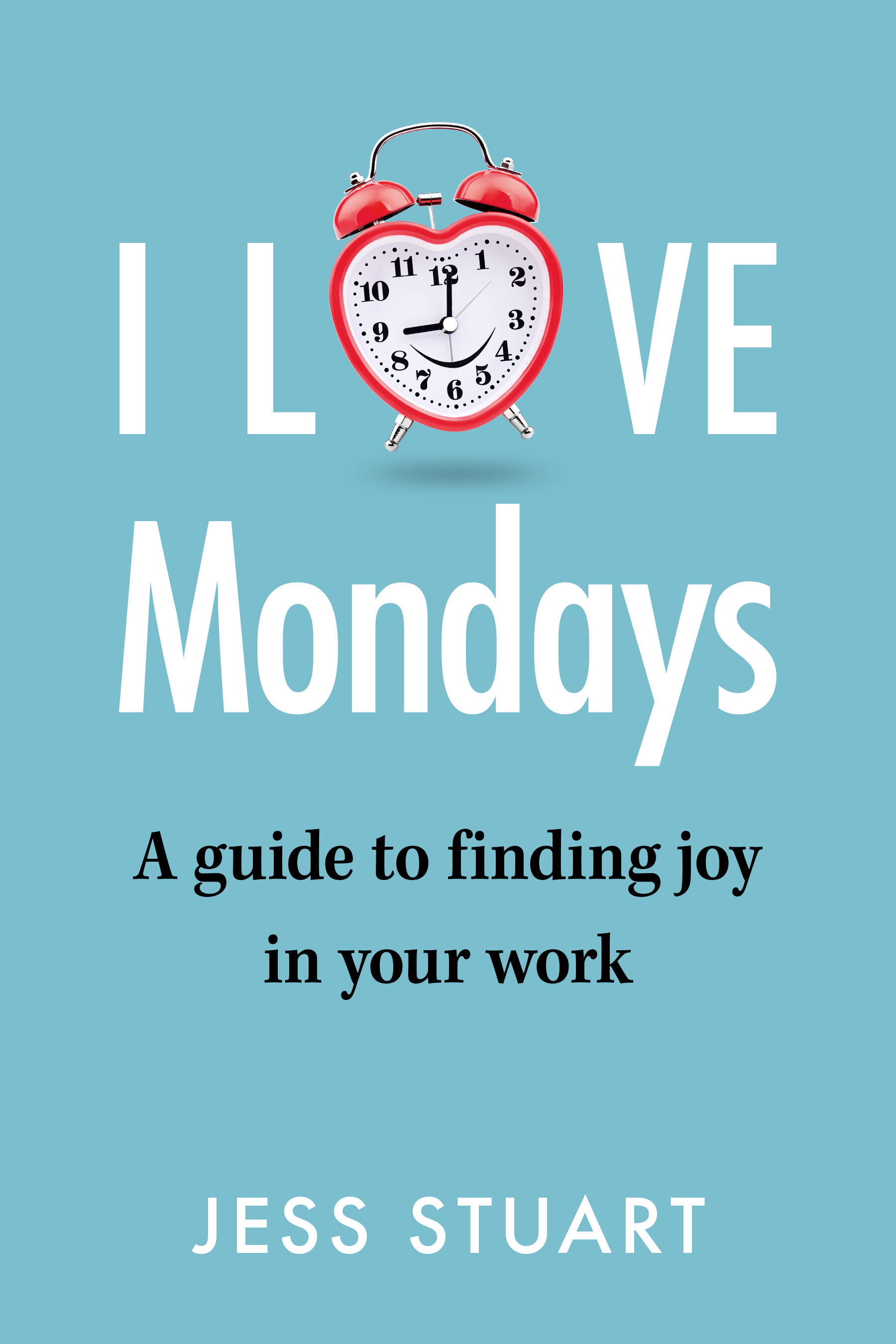
Start with the end - the launch of my new book

I’ve recently embarked on writing my fourth book.  In fact many of you helped give me your thoughts on the cover design which you’ll see below. It was a close call between the top two which also happened to be my favourites but it turns out the other design has been used often in other forums, this one is unique.

Anyone who writes books knows this is a long process, well after the words hit the page as a first draft manuscript.  It’s a process I learn more about each time I publish a new book and hopefully improve as I go.  One of the tricks I’ve begun to employ for the last couple of books is to schedule in a launch date as I put pen to paper.  I don’t just mean in my diary in pencil so I can cross it out.  I mean publicly on Facebook, booked venues and informed the editor and print team – a real commitment.  Why?

I find that starting with the end gives us something to aim for, a deadline to work to but also helps me visualise success.  I can see the launch now and me signing the new book (which I’ve not finished writing yet).

I don’t pick a date that’ll put undue pressure on me, it leaves a month flex in case of emergencies (launching in lockdown this year taught me the value of that lesson!) having that date means I’m less likely to procrastinate.  I can work back from that date knowing my deadlines for the manuscript to be at the editor and then the printer, when I need the cover design signed off and when the PR campaign should commence.  Starting with the end often helps us work back and highlight key milestones along the way. 

Otherwise it can be a big job and sometimes hard to put one foot in front of the other to progress unless we have some direction.  It’s also one of those jobs that can take 3 months or 3 years depending on what else gets in the way, how much we procrastinate or the flexibility we allow ourselves.  If I don’t put a deadline on this it’s too easy to push it out and let other stuff get in the way.  It becomes less of a priority when there’s no deadline attached.  This helps keep me honest and on track.

It also helps me see the finish line.  When I look in my diary I can see my goal being achieved.  When people begin to book I can visualise the reader and my book being a finished product.  All of this mentally helps me feel the goal is more achievable and experience the success well before I’ve hit the finish line.  It’s the same reasons athletes visualise themselves winning races or standing on the podium.  Once we image it and live it through our minds it’s so much easier to recreate in real life.

So what goal are you procrastinating on, have you set a deadline?  What does success look like and can you visualise your finish line?

And just to prove I’m true to my word and take my own advice.  You can book your space on the forthcoming book launch (for this book I’ve yet to finish writing!) here.

frontcoverRGB.jpg

Are you busy or productive?

WIL NEW.jpg

It’s an interesting question because most of us have been conditioned to believe that the busier we are the more productive we’ll be.  We live in a world that prioritises quantity over quality – more is always better.  The more hours you work the more valued you are as an employee, the more successful you’ll be, the more you’ll earn.  Until we burn out.  Then we’re not productive or valuable to anyone! 

Busyness is fashionable, we wear busy like a badge of honour.  It means we’re needed, valuable and productive.  This attachment to busy has become a marker of our self-worth and we cling to it.  

High achievers have this drive to do more or better, the need to prove ourselves.  What ever we achieve, it’s never quite enough.  We rush through life like its one big emergency trying to be all things to all people.  Then when we burn out we feel guilty for letting people down.  Sound familiar?

I was lucky enough to spend time in Bhutan, the kingdom famous for Gross National Happiness in place of GDP.  On a hike in the beautiful Himalayan mountains I asked a much older but more nimble monk

“how far is it to the top?”

“it’s better to travel well than to arrive” he said ie slow down, enjoy the view.

Our societies attachment to busy means we no longer value the opposite of busy – we see down time as a waste of time.  Do you feel selfish or guilty for taking time out for you?  Even though it’s not just you that benefits from that time out.  Imagine what a better partner, parent, worker, person you are when you’re not stressed out and tired?  I know that everyone in my house benefits when I’ve had a good nights sleep!

It’s a concept I refer to as slowing down to speed up which I know sounds counter intuitive but bear with me!  If we slow down, take time out, make time for self-care we find we become more effective and therefore speed up.  Because tasks don’t take as long, decisions are easier to make and problems easier to solve, we can think clearly and we make less mistakes.  This is the concept of slowing down that then enables us to speed up because we’re more effective.

Take the recent research into the 4 day week.  Initially we thought there’s be a loss in productivity if we worked one day less – sounds logical right?  What we find though is that we’re just as productive if not more in the shorter time because we’ve had down time, because we’re able to function at our best.

It’s this difference between busy and productive and they don’t mean the same thing.  In fact the busier you are the chances are the less effective you’re going to be.  We know that when we focus on one thing at a time one moment at a time we give it our full concentration and if we’re well rested, happy and healthy the quality of that concentration will be our best.  Now compare that to trying to do a thousands things at once with the pressure and stress of diminishing hours in the day, you’re tied, the to do list is overflowing and you’re brain feels overwhelmed.  What do you think the quality of that work you’re doing is like?

HBR reported a study that showed when we think we’re multitasking what the brain is actually doing is switching from one task to another in very quick succession, often micro seconds making it appear like we can multitask.  But how good are those thoughts if we’re running so many of then through our brain in such quick succession?  Could this be why we feel tired and overwhelmed so often and mental health issues continue to be on the rise?

Our glorification of busy and association between busy and success means that most people you ask at work about their day will tell you how busy they are – we think it means we’re productive.  It means we’re not being as effective as we could be so don’t be busy, be productive.  If you take time out and slow down what you’ll find is that you perform better and therefore are more effective and productive.

Uncertainty, change & focusing on what we can control

nightsky.jpg

This year has been one out of the box for most of the world, and continues to disrupt in a way we’ve never seen before.  It’s been a great lesson in dealing with uncertainty as the on off nature of life continues.  We talk about returning to normal, or a new normal but what is normal anyway and is this really new?  We’ve not had Covid-19 before but we have had earthquakes tsunamis, terrorism and other global events that have disrupted our lives and wrecked our economy.

To me this is just another event we navigate in the uncertainty of life and this is not new but it is normal. 

There’s so much about life we can’t control but we like to think we do.  My making plans, having goals and living inside our rituals we appear to have it all planned out – until we don’t.  Until we lose our job, have to cancel our wedding, run out of business or get sick.

I’m reflecting on this as I hear one of the biggest conferences I’ve ever spoken at in terms of line up and celebrity notoriety is cancelled – I wonder when I’ll next be speaking at a conference, particularly outside of NZ.  I’m due to get married  this month but that’s been on and off as we fluctuate between lockdown levels.  A few weeks ago it became apparent none of the international guests could make it – that’s my entire family.  Obviously I’d never thought I’d get married without them there.

The border restrictions and difficulty travelling has made family feel very far away.  As someone who’s lived here for a decade now I’ve been back to see my family every year for those ten.  I’ve always taken it for granted that if anything was to happen I could hop on a plane and be there in 24 hours.  At the moment it’s not that simple and comes with the risk of getting Covid-19 or not being able to get back home.

I’ve also, perhaps not coincidentally noticed a drop in my productivity.  My mood has dipped, I’m not as motivated and probably in need of a rest.  Reflecting on the uncertainty Covid-19 has brought to us all its hardly surprising.  We’ve been on an emotional rollercoaster with the uncertain nature of our life, business and the loss of some of that too – for some even the loss of life.  This takes it’s toll and even for those of us that are thriving, this year has been harder than most. 

As high achievers we can be hard on ourselves, we’re used to performing at our peak.  Any drops in that or less than brilliant performances we put in tend to bring inner criticism, guilt or that sense of not measuring up.  We’re driven by achievement and to always be at our best.  It’s why times like this can be tough, we expect to be on our A game all the time and sometimes, especially these times, we simply are not.  And that’s ok.  Just because we’re capable of brilliance doesn’t mean we should expect it all the time.  We have to roll with the peaks and troughs and know that at times like this we may see a drop in our motivation and productivity and that’s ok. 

Given all that’s gone on and the general covid fatigue that’s around I’d say it’s to be expected.  What this is generally a sign of for high achievers is the need to take rest, down time, recovery, a pause so that we can regroup and continue to perform in line with our expectations.  Let’s not beat ourselves up during these pauses, they are critical for us to stay at our best – I say this as much as a reminder for myself as anyone else!

So life is uncertain and for most of us not really going to plan right now but such is the nature of a human life and the world we live in.  It’s why it’s even more important we make the best of what we have, to reflect on what we might take for granted and be grateful for all we have.  Even if that comes with sacrifices. 

We also need to be mindful of the toll this takes on our energy, mood and motivation.  Whilst it might seem like we’re coping and getting on with it because, well what choice do we have, the underlying subconscious will have been on an emotional rollercoaster so we’ll likely feel fatigued, a little less tolerant than normal and perhaps not as productive.  Be kind, especially to yourself and know that this is normal, take rest and some time to recover.

I’m so lucky to live in NZ and wouldn’t want to be anywhere else right now, I’m lucky I’m not sick and nor is anyone I know and love.  I’m grateful I’m in a loving relationship and can get married, for the technology that’ll beam in my overseas family and the fact that my business, whilst it’s changed during Covid times remains viable and makes an impact.  I feel pretty lucky that I get to do what I love everyday in a country I love surrounded by people I love.

These challenges remind us to focus on what we can control and to see the sunshine amongst the clouds and that our world by it’s very nature is change, disruption and uncertainty. 

It’s not a case of trying to change the stuff we can’t control but changing ourselves so we can adapt to the challenges that arise. 

To know that we never really know what’s around the corner and therefore uncertainty is our normal.  So rather than trying to make life certain we need to learn to make peace with uncertainty.

How offsetting your negativity bias will increase your confidence

josh-riemer-OH5BRdggi2w-unsplash.jpg

Most of us feel uncomfortable accepting praise, and the negativity bias in our brain means we’re wired not to think of the positives so much – this combined with our modest culture and upbringing of course!  We are predisposed to focus on the things we’re not good at rather than the things we are. We also emphasise this by spending a lifetime dwelling on this stuff and searching out evidence to prove ourselves right: we’re not as good as people think, and there are some fatal flaws within us that mean we’re not worthy and probably won’t succeed.

Our brains are predisposed to think more negatively. It’s how we’ve evolved and used to keep us safe. If we’re constantly scanning the horizon for the worst that can happen, we are able to react and prepare for that, which helped us survive back in the days of sabretooth tigers. However, in our modern life, this translates to noticing all the things we don’t like about ourselves, the things we’ve not got yet and what’s not gone well for us at work.

If I ask you to think of one negative thing that’s happened this week, it’ll probably come quite easy. Something that didn’t go well, someone who upset you? You’ll have probably been thinking about it for days since it happened and ruminating on it at night. Now, if I ask you the same question about something positive, it’s harder to recall; even if the positives outweigh the negatives for you this week, it’s the negatives we remember and reflect on.

We’re also very quick to move on to the next thing in our modern world so don’t spend time reflecting on the positive, what went well, why, what strengths we used. It’s about rewiring the neural pathways in our brain to see things more evenly. It’s not that life will be any different; we’ll just learn to see more of the positive as well as the negative.

Life has evolved at an amazing pace, and we’ve not caught up. Dr Barbara Fredrickson did a research study on positivity ratios and found to offset this bias that exists in the brain, we need a ratio of 3:1. That’s three positive thoughts, emotions or experiences to every one negative.

There’s a lot of work to be done in this space, as our negativity bias is like a well-worn walking track; we use it often so it’s smooth and easy to navigate. To even this out, we need to start firing more of the positive neural pathways and breaking down a less-travelled path in the brain, an overgrown track – you know those huts you find up in the mountains that have only been slept in once this year and are covered in moss?  It’s like that and the chances are the track is more difficult to navigate, overgrown and steep.

So how can we counter this negativity bias and help train our brains to be a more positive place to be.  It takes time, like training a muscle. We don’t go into the gym and pick up the heaviest weight, and this is similar. It’s not an overnight thing; we start small and build up – it takes practice.

The more we fire those positive neural pathways the more we’ll even out the bias and a more even positive distribution of thoughts will become our default state.  It’s not that life changes but the lens we view it with does.  We start to see the positives as well as the negatives.

It comes up often in my Imposter Syndrome courses.  If we’re asking ourselves if we’re as good as people think or course a negative brain will only see evidence of why this is not true – further evidencing these feelings of not being good enough.  However if we even out this bias to be a better reflection of reality that next time we ask ourselves that question we’ll see the answers have more evidence stacked in the positive corner to evidence what people are telling us – we are as good as they think!

One of the tools I love using for this (and still use today) is keeping a success diary.

This is my favorite strategy and started because I had a poor memory and wanted to prepare better for my annual performance reviews. By writing down the successes throughout the year, I got a lift each time I reflected on them. It provided evidence to offset my negativity bias and a place I could go to each time I doubted myself. These days, it’s an icon on my desktop because I’ve advanced technologically over the years, but choose what works for you.  An inbox folder, a desktop icon and old fashion pen and paper journal or even a corkboard in your office with achievements and feedback from customers/clients attached.

Every time we add to this we’re walking down those overgrown tramping tracks and helping our brain retrain to see more of the positive.  The negative will still be there sure but the voice won’t be as loud because we’ve been able to see a more even distribution of reality that includes some positives too.

If we were building our bicep muscle at the gym we’d keep doing the curls and the weight would build up until the muscle was naturally strong even when we weren’t at the gym lifting weights – it’s the same with our positive neural pathways in our brain.

My gratitude practice also helps me train the brain to be a more positive place to be and helps me notice more of the good that goes on. It’s a reminder every time I read feedback forms and notice one that’s not as good as the rest to check on my mind-set, the negativity bias, and ensure I’m seeing the full picture.

Check out the next Imposter Syndrome workshop or contact me to organise one for your business to learn more about overcoming your negativity bias and training the brain to be a more positive place.

Advice on facing fear and getting over nerves

TED.jpg

I had the privilege of speaking on the TEDx stage recently.  It was an awesome experience and so much work that tested and challenged me.  With 6 months prep time, workshops and learning this is the most time I’ve ever spent preparing a talk in my life.  All 15 minutes of it had to be memorised word for word too.  No slides, no teleprompt, no notes – this was a first for me.  Add to that the on off nature and uncertainty of our Covid world where events like this are concerned.  Along with the challenge from the coaches to be more vulnerable, share more of myself on the stage and I was well and truly out of my comfort zone. 

With family in the audience and hundreds from across the globe waiting on the livestream I stood backstage waiting for my call.  Made up and mic’d up I was terrified and I’m a professional speaker so I thought I’d left the stage fright behind long ago.

So what got me through and why was it a success?  Largely it’s down to these well worn tactics I’ve employed for years and certainly fell back on to get through this experience. 

Stay calm

The biggest barrier to memorising a script in front of a live audience is nerves but it’s that very thing that makes us nervous in the first place!  I knew if the nerves took hold I’d be more likely to forget, have mind blanks and stuff up.  It was vital I put a lid on my fears and remain calm in order for me to deliver this well.

We admire those who are calm and composed and it’s something we can create even when we feel nerves on the inside.  It’s a trait the helps us navigate set backs, conflict, relationships and in the face of a challenge the best advice is always to stay calm.  It helps us respond rather than react and be thoughtful with our actions.  It also gives our brains the chance to think as we act and therefore be more considered in our approach.

Relying on the old adage count to ten, take a deep breath.  It breaks the thought cycle of anxious, nervous minds or when we get side tracked by thoughts about everything that could go wrong!

Taking deep breaths, affirmations and meditation are all great strategies and I use all three.  I meditated backstage before going on to calm my heart rate and ground myself.  I’ve also meditated for the decade leading up to this which helps too!  Taking deep breaths when I was backstage ready to enter really helped tap back into this calm feeling when the heart rate began to rise again.  Now there’s a certain amount of energy and adrenaline that’ll help us perform – it’s why some people do press ups and star jumps before going on stage.  But if you’re already full of nervous energy and adrenalin you’ll probably need to balance that out. 

Those who’ve been to my workshops or events know that one of my favourite mantras for this kind of situation is “I’m calm, confident and capable” repeating this or something similar in my head over and over helps me embody what I’m saying and offset the nerves.  If you tell the brain something often enough it will believe it to be true.

Be Prepared

If I’ve put the prep in then I know it’s as good as it can be.  If I’ve done the work I’m more confident in the end result.  A good nights sleep the night before is the best preparation for a clear, calm mind.

I also want to plan how this will play out, both visualising the success, how I’ll feel coming off stage and practicing the hell out of what I’m about to deliver.  But also considering how I’d navigate anything that didn’t go to plan, how do I prepare for the worst case scenarios?

What’s the worst that can happen?  Most of the time our fear relates to failure, looking foolish, getting it wrong.  When we rationalise the worst case scenario in our head and plan for this or develop strategies to offset this then the fear diminishes.  As my heart rate increased backstage I thought to myself ‘what’s the worst that can happen?’ I fall over on stage, the mic stops working, I forget my lines, I freeze.  Then I went back through all of this to figure out the answers, how would I resolve it if these worst case scenarios come about.

No-one knows my script but me so they won’t know I’ve lost my lines.  Any freezes can be taken as pauses, edited out of the video and we’d developed a strategy on stage with a table and water jug so those struggling could pour a glass of water to gather themselves mid talk.  If I fall over or lose sound people may laugh but they’ll forgive me, it’s not so bad, I certainly won’t be the first or the last!  As a back up the dress rehearsal was filmed and the video can be edited so really the worst case scenarios are not really that bad!

The support you surround yourself with

Surround yourself with cheerleaders, people who support and encourage you, who back you and stand beside you.  This was my family in the audience but also my partner helping me get ready, reminding me about things I might have forgotten, asking me what I need, ironing my shirt etc.  She’d also been there the weeks before as I rehearsed at home.  She’d probably seen this talk 20 times before the live version!

Having the coaches whisper words of encouragement back stage helped, as did the high fives and fist pumps post match too!

Let go of perfect and it’ll be great

Despite practising this daily for 3 months there were still small errors on the day, words I used differently, pauses I forgot to make and a couple of minor things I missed out.  Could you tell?  Probably not.  Was it still good?  I think so.  It was never going to be perfect word for word and nor did it need to be but close enough is good enough and the bits I missed didn’t change the delivery, the message or the impact it made.  If I beat myself up or worried about those small mistakes I’d have risked throwing the whole thing out and getting lost.  Done is better than perfect and perfect should not get in the way of good.

Fear is inevitable when we get out of our comfort zone and yet we shouldn’t let it stop us.  These strategies have helped me face countless fears and continue to do so as I push myself out of my comfort zone and grow.

leadership observations post debate

debate.jpg

My feed is usually a political free zone, it’s not something you’ll often find me getting drawn into but I felt compelled to write about this weeks leaders debate in NZ.  Not from a political viewpoint but more from a leadership view point.

In the analysis that’s followed various media reports have suggested that Jacinda Ardern didn’t win, that Judith Collins combative style is what we should expect for people to ‘win’ in the debate arena.  I’m not actually sure what win in the debate area means these days and if it’s the same as win votes by becoming the leader the majority of the country supports.

Now I’ve always thought that these debates were an opportunity for each party to tell us what they’re all about and why we should vote for them right?  I know it makes better TV viewing if there’s some conflict and drama but this isn’t reality TV, this is real life.  It’s not for entertainment, it’s to decide who runs our country and helps it recover from Covid-19.

I’ve always been a firm believer that in politics you’re best off focusing on yourself, why should I vote for you, what policies do you have and why would you make a great leader of our country?  These are the questions I want answering to decide my vote.  Sadly around the world most political arenas have dissolved into who can throw the most insults at the other, who can find scandal and discredit the opposition.  Blood sport seems to be the norm and I think a leader who refuses to get drawn into this deserves respect.

Let’s face it, the job you’re in now probably had an application process and an interview at which people then voted on your performance (and what you’d bring to the role) to offer you the job.  Did you spend your time during interview discrediting the other candidates?  No, you focused on the skills you had and why you’d be good for the job – shouldn’t this be the same?

Whilst it might be common in politics, I believe a leader who spends their time heckling, shouting over others and eye rolling is not one I’d want to work for.  It’s certainly not one I’d trust leading my company or looking after the ‘staff’ within that company (that’s us by the way in this analogy with leading the country)!

We can all have fancy policies, adverts and social media campaigns, a great script, the right clothes and make up.  But you can tell a lot from a leader by the behaviours they exhibit, how they respond to challenge and how they treat others.

I’m aware that these figures of authority who we call leaders attract a lot of attention in the media.  These are our roles models for future leaders and our kids.  Our vote is also a vote for the kind of leadership we want to emulate - the behaviours they exhibit, the way they respond to challenge, the things they condone, the characteristics they epitomise.  What do we want our kids emulating?

helping women succeed in leadership

WIL model.PNG

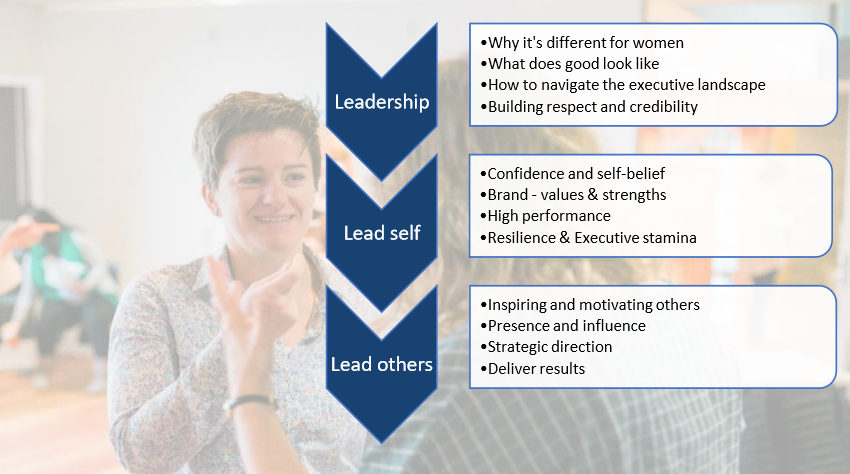
I’ve spent all my career working with women or leaders and often both, I have been one, I am one! There’s some reoccurring themes that sparked my passion for delivering this content and helping other women succeed in leadership.

Before starting my own personal development business 5 years ago I had 15 years in HR progressing to senior roles, sitting on leadership teams across multiple industries and multiple countries including UK, Australia and NZ. Manufacturing, government, education, data and technology.

Being in HR you have a unique position in that you’re often the coach and confidant of senior leaders. Not only do you get to sit on the leadership team but you get to be privy to the recruitment to that team, talent and performance conversations and see what everyone is being paid. I began to notice across countries and industries that women were generally the minority at these tables, generally the higher performers and most often the lowest paid. They were also generally last to put their name forward for promotions even when they were the most qualified. This has ignited a passion in me to close the gender confidence gap and one I had to close for myself first when progressing leadership, often in male dominated industries and then again when starting my own business. My passion is sharing this knowledge to help others succeed.

Combining my own experience, three books, my HR background and over a decade working with women in personal development I share the best kept secrets to help women progress their career development and become the leaders they are capable of being. I believe if we close the gender confidence gap, equal pay and the numbers of women in leadership will follow. After all if we apply for more promotions, negotiate our salary and are equipped with the tools necessary to navigate the leadership journey (which is still more challenging for women), our chances of success greatly increase.

So many of the women I work with are high performers, they’ve had promotions in many cases but still feel this doubt over their capabilities.  That they need to know all the answers, do more, prove themselves.  We talk about speaking up in meetings, commanding respect and building reputation.  Not in a way that we need to build more assertiveness (a common myth) but how we embrace our authenticity and build on our style to leverage our strengths and gain the confidence to succeed.

This is why I created my Women in Leadership Programme, now in its third year and available just once this year (2nd October) and in Wellington. A place where women can learn to be the leaders they are capable of being, how to navigate the world of leadership as a woman, build your brand, deliver results, develop resilience and confidence and understand the role of emotional intelligence. Inspire and motivate others by leveraging your strengths and embracing authenticity. And how to stop fear and self-doubt getting in the way, which is common if you’re a high achiever.

Often this can be why we play it safe. I’ve witnessed countless men ask for pay increases and training investment in them year on year, which is fair enough if you’re performing well (some still ask even if this is not the case!) Women don’t ask so much, we fear rejection, being told no and a lot of this is influenced from the way we’ve been brought up as girls. Whether it’s your salary increase or an investment in your development to go on a training course or conference the answer is always no until you ask the question. No is your starting point so sometimes you’ve nothing to lose by asking, especially when it comes to your own development. These days many businesses have money aside to invest in their women because we want more women in leadership roles, we also have a gender pay gap most organisations are tasked with closing, if they need any more convincing click here  

I can’t wait to work with you and look forward to sharing this to empower more women in their career development.

If you'd like to book onto the 2020 programme click here for details.  With an early bird discount available for those who get in quick this will fill up as there’s a maximum of 10 places only.

belonging & finding home

be kind.jpg

This month I am about to become a New Zealand citizen and I feel pretty lucky.  After a decade of calling Aotearoa home I’m becoming an official kiwi – much to my Dad’s dismay.  A staunch British man who’s never left his own country he’s horrified I would cast aside my nationality and disown my heritage to ‘switch sides’.

The thing is home has never been a place for me and certainly wasn’t something I connect to the place I was born.  In fact if anything here is where I really became me so in fact the me you know today was born (or reborn) here.  You see for me home is not about a place.  It’s more soul than soil, it’s what we carry within us and the feeling of belonging we experience.  It’s who I’m with, the life I have and the person I am when I’m there.  This defines home and it’s much more of a feeling than a place could ever articulate.

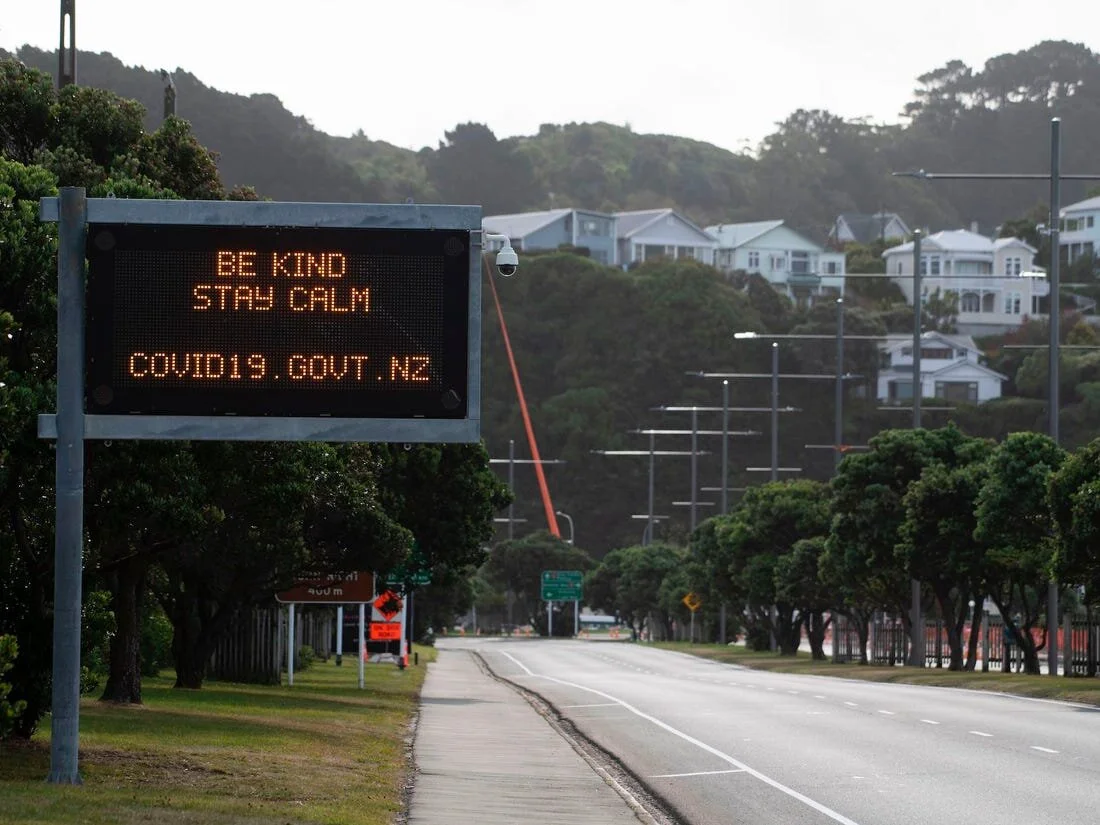
Now more than after following Covid-19 am I pleased to call NZ home.  We are so lucky to have what we have.  When I look at the way the rest of the world has been impacted by covid-19, the governments that have managed it (or mis managed it), the way people have reacted and the consequential futures that now present in those countries I am forever grateful to be here.  Summed up best by the various slogans each government chose to adopt as we navigated covid-19.  This road sign near my house in Wellington mirrored across the country on signs, government briefings and the way in which people treated each other ‘Stay Calm, Be Kind’.

There’s nowhere else I’d rather be right now.  Don’t get me wrong, I love and miss my family tremendously, they are always part of my feeling of home but whenever I return to visit England, I realise I love where I am.  I love my life, I love the people I surround myself with each day, I love the laid back, friendly, no stress attitudes, the wide green open spaces, I love our team of 5 million and the population we have that strikes the balance between economy without crowding.  No queue or commuting jams, no overfilled hospitals, classrooms, no 3 week wait for the doctor.  Yes there’s room for improvement, isn’t their always but we’re also one of the luckiest countries on the planet.

Most of all I love the person I am when I’m here and who I’ve become on the and of the long white cloud.

The sun always shines above the clouds

peijun-song-GEpNoV9cP8Q-unsplash.jpg

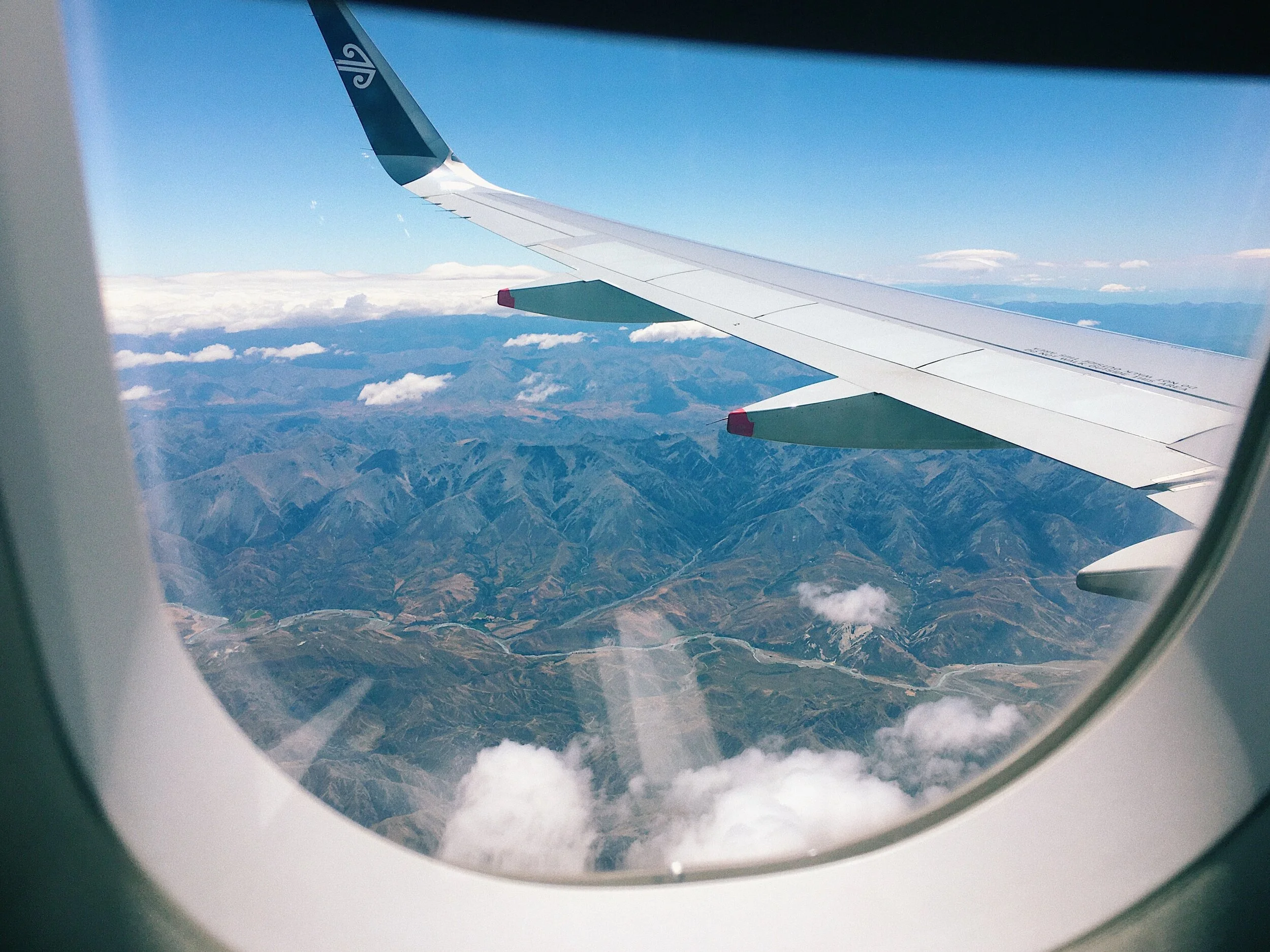
It’s a grey cloudy day, typical of Wellington winter.  As the plane take off we have the usual bumps navigating the breeze as we ascend.  There above the clouds the sun shines on my face, it feels like summer, like I’ve just gone on holiday.  Yet I’m only flying to Hamilton and the weather sounds pretty wintery there too!

That’s the thing with the weather, it comes and goes can be warm and sunny, cloudy and cold.  It’s natural, it’s the seasons.  Whatever the weather though the sun is always there.  On any given day if you fly above the clouds the sun is always shining, we just can’t always see it.

Life is the same.  It can get heavy, cloudy and dark but the sun is still there shining behind those cloudy moments.  Clouds come and go in our life but the sun is always there, we just have to look for it and sometimes that means waiting for the clouds to pass or getting above them to bask in the sun.

Those that know me know I’m a bit of a sun seeker, I’m not a fan of winter.  This winter not being able to travel to sunnier places has left me facing winter with no way out.  Even though I’m only flying to Hamilton (that’s the Waikato, not Hamilton Island Queensland!) I’m reflecting on the fact I can still find the sun.  Maybe I didn’t need to head to far off islands after all.

It’s similar with our life, sometimes we can be so lost in the search for more we miss what’s right under our noses.  So it’s only 12 degrees but this sunny, still day in Raglan can replace any tropical island beach – I just might not be swimming!

Seeing the sunshine that exists in our life helps us cultivate gratitude and stop lusting after more.  We know that craving is never fulfilled – like a bottomless bucket, there’s always more.  What if we didn’t need to seek the sun, because it’s been there all along?

Becoming more mindful has allowed me to notice more of the things I’m grateful for in life – the little sunshine moments that exist even on the cloudy days. And let’s face it we need the cloudy days, they bring rain and that leads to growth both of our plants but also in our life as we grow from our challenges.

Whatever the weather in your life currently remember the sun is always shining behind those clouds.

Matariki - vision, intention and reflection

vision board.jpg

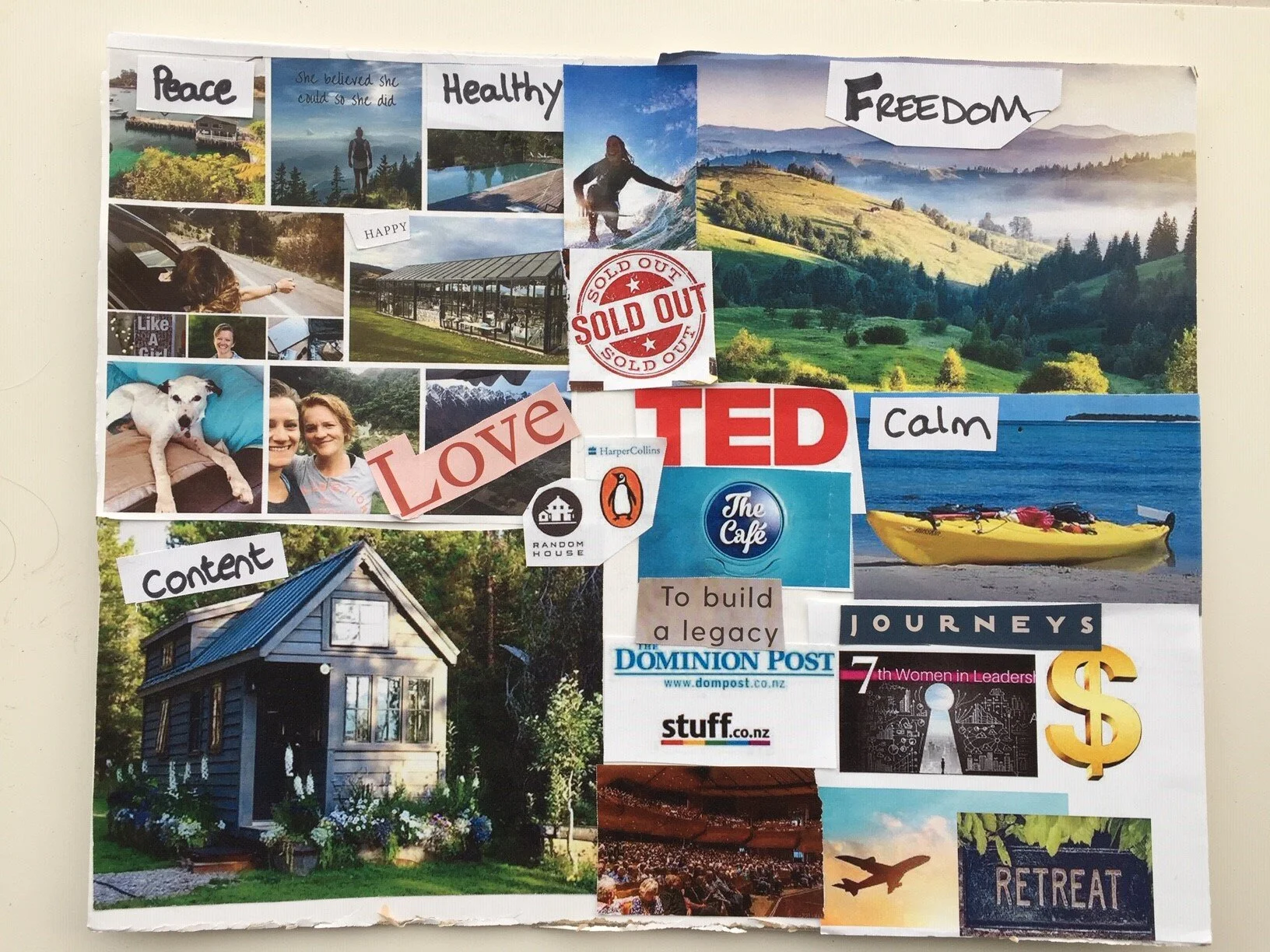
Matariki is a time of celebration, thinking about the year ahead and of course reflecting on what's past and celebrating the success.  It's important to have these check points and set our intentions to move forward.  This was traditionally a time the crops were harvested so another cause for celebration.  I often think of my work as planting seeds and watching them grow so reflecting on this feels like a harvest sometimes.  What seeds have you planted and how are they growing?

This is my vision board, it sits on my desk.  It’s something I see daily and tend to redo every year or so.  It’s a combination of my personal goals and dreams and business aspirations.  One of the things I’ve recently achieved has been in the making for many years now and featured on 3 vision boards including this one!
 
I’m excited to be working through the TEDx coaching programme in preparation for speaking at TEDx Ruakura in September in Hamilton.  TEDx has become a speakers holy grail.  For me it’s a chance to hone my skills, rehearse my keynote and benefit from some coaching and learning that prepares me to take the stages.
 
I often get asked about my speaking business and TEDx is one of most speakers goals but so often when I have this conversation people will say ‘I’d love to do a TED talk’ and it's a question i've asked of others - how did you do it?  It sounds silly but one of the obvious things is applying - it's like wanting to win lotto but never having bought a ticket.  We have to be in the game to win it and then we have to be consistent and keep trying, even when we fail.
 
I started applying for TEDx about 3 years ago, it was a small step towards achieving this goal.  I got knocked a few times or just simply didn't hear anything.  I’d seek feedback, readjust my pitch, try again.  Each year until the answer was yes.  I often talk about this concept of getting outside our comfort zone, failing and learning what we need to know to try again.  If I’d have stopped after the first unsuccessful application and though ‘well I tried, they said no, clearly it’s not meant to be’ I’d never be preparing to take the stage now.  Those red letters would adorn my vision board yet I’d be no closer to realising the dream.
 
So what’s on your vision board?  Where is it?  - can you see it and is it what you aspire to in your daily actions?  Are you taking small steps towards those dreams, are you giving yourself every chance to succeed?  It’s no good having these goals and dreams if we’re not making a plan towards achieving them and taking the small steps and action required to bring it off the page and into reality.  It’s like hoping to win lotto without buying a ticket.

green shoots and new growth

growth.jpg

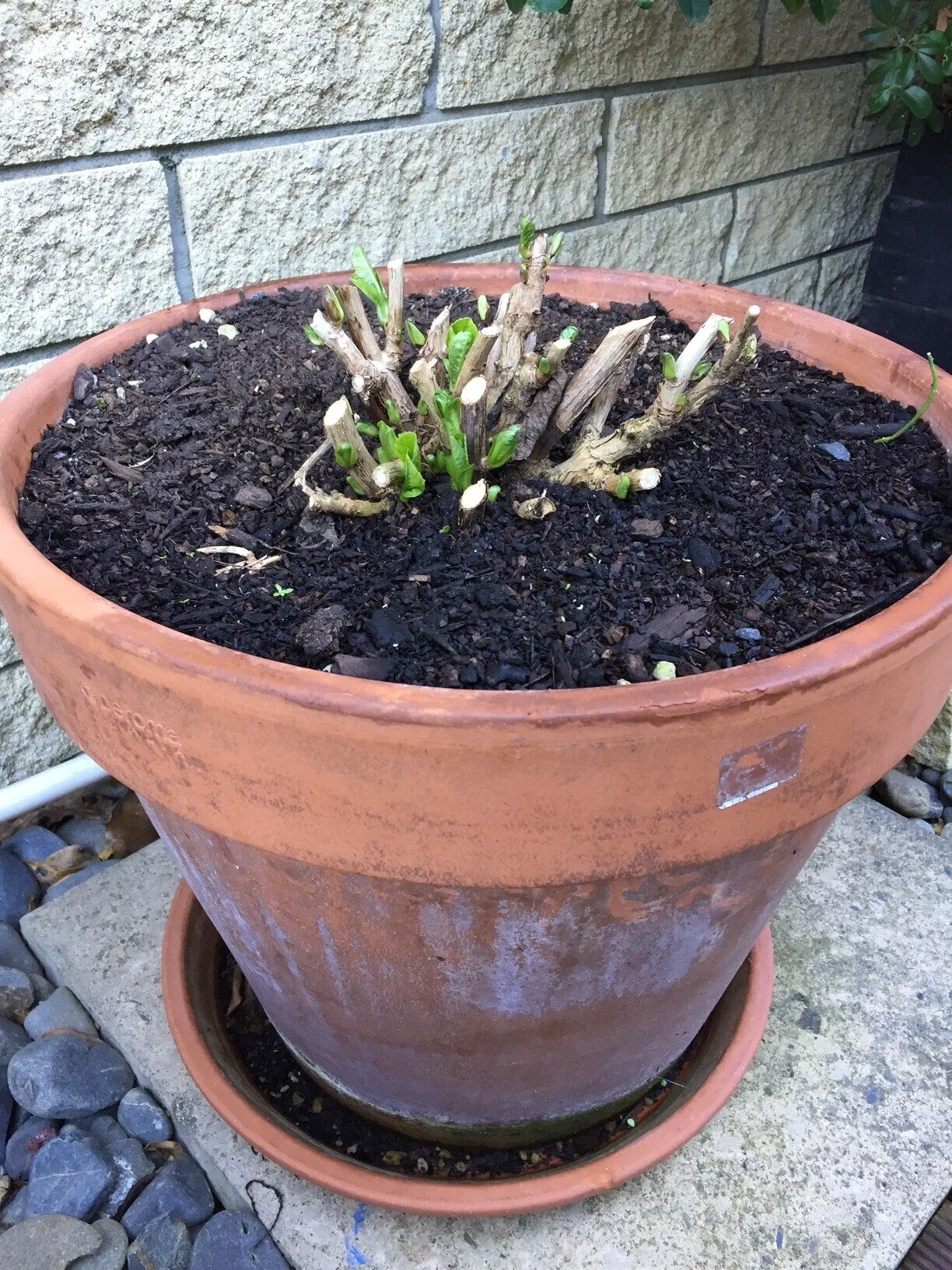
It always amazes me that these beautiful flourishing plants can be reduced to twigs and still bounce back and regrow.  This pot in summer was full of beautiful blooming hydrangeas and during winter was reduced to dead wood – or so it seemed.  I’m not much of a gardener, you can probably tell!  It’s more my partners domain, she loves it and is very good at it.

When I see the beautiful hydrangeas flourishing in summer and the result of their ‘winter trim’ I can’t help thinking they might have been accidentally killed off.  But sure enough in a few weeks those twigs begin to spring back into life, new shoots appear and grow begins again until they’re once again blooming come summer.

It’s a bit like life.  It’s sometimes when we’re cut right back that we can renew and grow again.  Sometimes we have to wipe the slate clean and lose the dead wood – the bits that no longer serves us to gain those new shoots and regrow.  Whether it’s a new job, a new relationship or letting go of emotional baggage, limiting beliefs.  This time of year is ideal, just like the plants to consider what we need to let go of and cut back to allow those new shoots to spout and regrowth to happen.

If you feel like those dead branches, don’t worry, green shoots may be about to appear.  But only if you feed, water and nurture the plant so check you’re doing that for yourself too and new shoots will grow.

Arohanui Jess

Join me on retreat as we explore new shoots and grow in a restorative nurturing environment

The invisible load at home

kelly-sikkema-DJcVOQUZxF0-unsplash.jpg

Last week I had to go and get my smear test done, it’s one of those tasks that’s necessary but never really looked forward to – or is it?  The nurse shared with me that post lock down women had been saying ‘it’s nice to come here and have an excuse to lay down for a few minutes’ – even a smear test had become a luxury and time away from the demands of family life! 

The UN tell us that globally women are still doing three times more unpaid care work than men and we know from lock down the biggest burden was on working women.  Research from the University of Cambridge in the UK show mothers during lockdown, whether working or not, took on 30 per cent more of the homeschooling duties than fathers, and up to 50 per cent more childcare duties. The gender divide was higher for high-income households, where women were spending seven hours a day on schooling and childcare, and men 4.5 hours.

I work with many intelligent working women with kids; lawyers, doctors, CEOs and whilst we mostly talk about work they’ll all admit to being exhausted and tired.  Most of them have a mountain of work to do at home and when I ask about support from a partner they say ‘it’s not really his thing’, ‘he’s so tired when he comes home from work he just sits in front of the TV’ ‘he goes to the gym after work’ or any number of other excuses as to why they’re doing the majority of the work at home on top of their day jobs – no wonder they’re tired and burnt out.

This has to change and we have to be the ones to change it.  There’s so much baggage and history that provides a barrier to this though – our roles as ‘good’ wives, what our mothers (or mother in laws) did and therefore the example that’s been set.  The need to keep all the balls in the air and be seen to be coping as well as the fear that if we ask for support we’re admitting defeat or saying we can’t cope or get accused of ‘nagging’.

It’s costing us our health and our relationships with our families, not to mention the knock on effect in our careers etc.  There are many reasons why we don’t ask for help at home.  But I don’t believe it’s asking for help because that implies it’s our job.  I’m in a same sex relationship so it’s not about gender roles, we both live in the house so we’re both responsible for the work that involves – this should be the case regardless of gender.

It frustrates me to hear these clever, busy, career women taking on more than their fair share and wonder why they can’t juggle it all perfectly.  It’s like trying to do 40 hours of work in a 24 hour day – we’re setting ourselves up to fail.  We’ve also created a society in which men are praised for doing their fair share – further evidencing this feeling that it’s actually a woman’s role.

Our time is just as valuable (if not more so given the amount we actually get done in that time).  There are apps that can help and some women use spreadsheets of job distribution – what needs doing around the house and for the kids, who wants to do what and what can we outsource.  Right from washing, cleaning, school drops offs, feeding the cat, booking the social engagements and buying family birthday cards.  At the very least he’ll realise just how much of the invisible load you’re carrying, hopefully it’s also a catalyst to talk about how you may share that load better.

Most often they’ll not do anything until asked and will assume if you don’t ask you don’t need help (or in many cases are completely oblivious to what’s actually going on at all) – the magic wardrobe that just keeps refilling with clean clothes. 

If we’re to achieve our potential as woman and live and healthy happy life where we can be our best both as partner, parent and person as well as in our career this is a major factor.  Most of us know from experience we can’t do much when we’re exhausted all the time and on the edge of burn out.  We need support, we need time for us and we need to not feel guilty about it.

So have the conversation, ask for help, either from your partner, the kids (if they’re old enough) or family.  And let’s get this straight, this is about the household taking responsibility for the household needs not you asking for help with ‘your’ workload. 

“I’ve got the washing in for you”

“Oh, were your clothes not out on the line too???”

It should be a shared workload if it’s a shared house.  Think about flat sharing – you wouldn’t have done all of the cleaning and cooking for your flat mates whilst also paying the same rent so why do it for your family, especially if its at the expense of your wellbeing. 

It might just be the pick ups or taking the kids so you can go to the gym.  It might be that you delegate the cleaning or gardening and pay someone else.  Sit down with your family armed with a list of everything that needs doing and work out who’s going to do what. 

It’s better for you, it’s better for your family and it’s only fair.  Especially if you’re working full time.  Value yourself, value your time.  The collective success of our families depend on the health and happiness of all those members within the family, like the tribes we used to coexist in – we shared the load.

Find out more in my latest book the Superwoman Survival Guide available now

Lessons from lock down

IMG_0020.JPG

With family overseas still in the midst of the Covid battle I keep forgetting, moving freely around New Zealand, how lucky we are and just how we’ll we’ve done. But before Covid-19 becomes a distant memory for us let’s reflect on what we’ve learned and make use of this experience for our greater good.

I read a post a few weeks ago saying of you’re not panicking about this there’s something wrong with you, you’re not normal. I paused to consider this, was I missing something? 

I was seemingly breezing through lock down.  I feared as an introvert lock down would suit me well and maybe I’d suffer this end – reintegration and reverse culture shock – but no. It’s been nice mixing with people I missed, getting out and about, not having to queue at the supermarket and going for dinner and weekends away again.

It’s not that I’ve been unaffected by covid-19, although I acknowledge I’m in a position of privilege. With my closest family overseas in covid ravaged countries there’s worry and concern about the separation. I know people who’ve lost loved ones overseas and not been there for funerals – and this is a very real prospect. I saw half of my business disappear overnight when conferences and events ground to a halt and a book launch with no books midway through lockdown, a looming wedding that none of my family may be able to attend. Plus the challenge we’ve all had of coping with being on house arrest for a month! 

I don’t share my experience to revel in my seemingly perfect life – it’s not – it’s a human life like everyone else but I tell you this because despite that I’ve remained calm, happy and content so as I reflect on the reasons why I want to share those lessons. 

We never know what’s around the corner yet we all want to have control over life. We want things to be a certain way, to turn out how we planned. And of course it’s life so inevitably it doesn’t. We have a tendency to chase after the good stuff and hope it never goes away and yet avoid the challenges in life or numb out our pain. It’s a normal part of the human condition but also the root cause of much of our suffering. Something I learned from studying Buddhism with monks and nuns across the globe. The art of acceptance. Instead of trying to change it accept what you can’t change. Like lock down, like being separated from loved ones overseas, like losing half your business overnight.

Having said that though, a massive part of being resilient is to take positive action to solve problems and change what you CAN. The things we have control over is where we must focus our attention and take action. Checking in on family more often despite not being with them, pivoting the business and making the best of lockdown to stay healthy and well.

Mind-set is such a massive part of this – it’s less about what happens to us and more about how we react to it. The things that have made the biggest difference to me in this space have been controlling my device time. A lack of technology and scrolling, filtering negative news and people positively impacts our state of mind.

Meditation is something I’ve done daily for a decade and I attribute as the single biggest reason I’m so calm and content, it allows me space, processing time and perspective. There are a hundred different ways to meditate, it’s not all about oms and incense so find what works for you and make space in your life for space. The impacts on our mental health of something seemingly so simple can not be underestimated.

Exercise – I saw so many people walking and cycling during lockdown which was great – I guess there was nothing else to do and it was the only way to get the kids out of the house. That seems to have disappeared in our return to normal now. Did you gain exercise or lose it during lock down and how can you ensure you continue getting out in nature, spending time with family and getting enough exercise?

I also noticed things I didn’t miss that seemingly because I didn’t miss them I now know I can go without – shopping and buying new stuff for example. Commuting into the city everyday because much of the work can be done from home. 

It’s also been key to note who’s enjoyed their bubble and why. The people you surround yourself with is so key but never more so than in lock down. These are the people that influence our thoughts and energy (either positively or negatively) and also those we gain support from.

The other lesson I saw from lock down was our attachment to busyness. Being forced to slow down and not have to be everywhere doing everything was a glimpse at a new normal. So do we have to fill the diary with things to do to make the most of life and social time out of work – classes, drinks, events etc. Do the kids have to do an activity after school everyday or be in all the sports teams at the weekend? Where can we find more balance in this space?

All this is critical to our mental state, building our resilience and how we handle tough times. We don’t know when the next pandemic may come and of course it may not take the form of a pandemic – earthquakes, terrorism, health issues. We never know what’s around the corner and much of what comes our way on a global scale we’ll not have control of. The only thing we can control is how we show up, the way we invest in our own health to tackle it and how we chose to react to it. This is key to staying well in the face of life’s challenges be it personal or global.

We've also seen a new kind of leader celebrated as part of the global pandemic.  A leader who favours collaboration, empathy and kindness.  A team of 5 million that protect each other and make individual sacrifices for the good of all.  Not only has this impacted the example we set our children, how we live together in Aotearoa but has also lead to the rest of the world taking notice, recognising the success this example has demonstrated.  This I believe could lead to the biggest impact on our new normal.

So what did you learn from lockdown and how does it change life going forward? Use these experiences to define your new normal rather than rushing back to all the things that made life difficult in the first place.

Want to chat about defining your new normal? Book a free 20 minute consultation call to find out more.

The secret behind surviving as superwoman

books.jpg

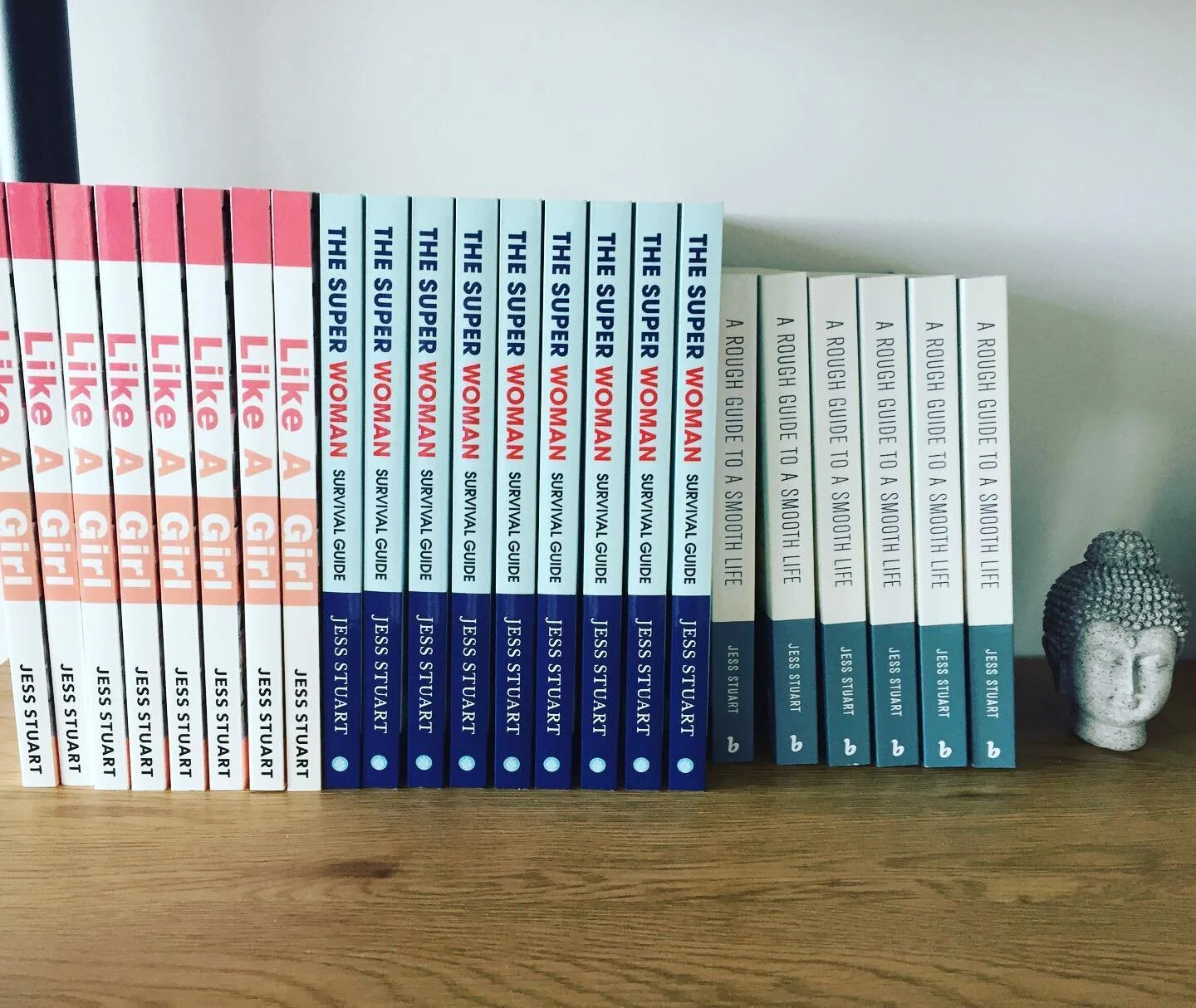
As I took this photo below of my third book hitting my bookshelf I had to remind myself to celebrate the success. I'm very good at moving onto the next thing and in this case it's the next book - the one i haven't written yet not the three I have - it might resonate with some of you!

So on the subject of the third book here's a bit of background about The Superwoman Survival Guide from a recent interview I did.

Tell us a little about The Super Woman Survival Guide.

This book is not about changing who you are it’s about changing the way you think about who you are. Freeing yourself from the pursuit of a superwoman ideal that’s unrealistic and is making so many of us unhappy.  So many of us these days admit to feeling overworked, overwhelmed and over scheduled juggling families, career, friends.  We go through life trying to support everyone else and then when we burn out we feel guilty for letting people down.

This book helps you understand that you don’t have to be perfect to be amazing, as I teach you to master the art of self-belief and minimise the negative self-talk that’s holding you back.  Understand your superpowers and how to use them.  Overcome self-doubt and gain the confidence to succeed, as you are.

What inspired you to write this book?

I meet many amazing women in my work, women who are high achievers and making a difference in the world yet most of them think they’re nothing special.  They focus on their weaknesses not their strengths and feel like they’re falling short of this high expectations society (and ourselves) place on us.  We feel overwhelmed and overscheduled, last on our own list and then when we burn out we feel guilty for letting people down.  I wanted to tackle that subject and help women see there’s another way.  To be first on your list and be your best but without burning out in the process.

What research was involved?

I’ve worked with women for over a decade and having spent the last 3 years teaching women to overcome self-doubt and imposter syndrome there were a lot of reoccurring themes around the superwoman complex and juggle we struggle with.  The research I undertook with NZ women asked questions like what’s our biggest challenge, what do we admire in others and what are our super powers.

Words like resilience, calm, empathy and kindness came back as things we admire in ourselves and others along with confidence and optimism.  Our biggest challenge by far was motherhood, followed by the juggle (which I guess is the same thing just with the addition of kids or not!)

What was your routine or process when writing this book?

Little and often.  Writing a bit here and there and blocking time out of my diary to make it happen.  There was quite a bit of procrastination thrown in too!  Some days when I wasn’t at my most eloquent I just had to sit and write knowing I’d need to edit a lot of it on round two!

What do you hope readers will take away from reading The Super Woman Survival Guide?

That our quest for perfection is often our undoing – it doesn’t have to be perfect to be amazing.  That we can be amazing as we are.  Putting you first isn’t selfish – it’s necessary to give you the energy to show up and help others.

That we need to focus more on our strengths and celebrate our successes.

What did you enjoy the most about writing guide?

How many women it resonated with, the reoccurring themes we struggle with and the response to the research and questions to test some of the theories I’d collected.

What did you do to celebrate finishing this book?

Started planning the next one – then I had to stop myself and remind myself what I teach others.  Pause, reflect, take a moment and celebrate before rushing onto the next thing.  It’s photo is in my success folder now and I lined it up on my bookshelf along with my other books and took a photo!

What’s next on the agenda for you?

Writing book number 4, running my weekend retreat later this year and connecting with more great women to help them see their potential.

You can get your copy of The Superwoman Survival Guide here