Who is the HR for HR?

Burnout is something we’re talking a lot about at the moment and according to this Forbes article 98% of HR professionals are burnt out.

It’s been a tough time of late and nowhere more so than in the HR and People & Culture teams across our organisations. Often charged with supporting our organisations through change and uncertainty we’ve also had a global pandemic, staff shortages, increased turnover, recruitment challenges, a talent shortage and the great resignation - to name just a few!

It’s no wonder our People teams are feeling a little burned out. Yet as often is the question, who is the HR for HR?

As a previous HR practitioner I’m passionate about using my knowledge to support our People teams. We play such a pivotal role in the organsiation and yet we’re often last on the list when it comes to the development and change support we’ve busy organising for everyone else! It’s why I’ve created this special HR focused version of my popular Burnout to Brilliance workshop, designed to help teams:

  • Acknowledge the recent challenges and share experiences

  • Understand the signs of burnout in yourself and others

  • Learn how to navigate and respond to signs of burnout

  • Burnout proof yourself and ensure you're a sustainable resource

  • Overcome overwhelm and build resilience

  • Improve productivity and effectiveness

  • Learn strategies to cultivate a more calm, clearer mind.

  • Creating space to think and innovate

  • Manage distractions to increase focus and concentration

  • Understand the difference between busy and productive

  • Learn high performance habits

Quantity does not always mean quality and being busy does not mean we’re productive, in fact the opposite is often true. 

The reality is that workload is high, that won’t change.  We also live in a world where uncertainty and change is the norm and there’s more pressure than ever placed on the mental health of our workforce.

Busy is fashionable, we wear it like a badge of honour but it doesn’t lead to high performance.  This is a must have workshop to ensure you’re getting the best from your team and to help them thrive.

This starts by changing the way we relate to busyness, how we define productivity and ensuring we understand how to be effective as well as keeping up with the workload.

If you’d like to support your team to be at their best, this programme will help reenergise and sustain attendees to unleash their potential and go from burnout to brilliance.

  • Understand the difference between busy and productive

  • Work smarter not harder and master the habits of high performance

  • Understand the neuroscience behind thinking patterns and rewire the brain

  • Learn strategies to cultivate a more calm, clearer mind.

  • Keep calm amid the chaos and give yourself space to thrive, even in the tough times

  • Be your best without burning out in the process

  • Overcome overwhelm and build resilience

  • Improve productivity and effectiveness

Master the art of slowing down to speed up, understand the power of the mind and how to use it to stay focused, calm and effective. Know the difference between busy and productive and ensure you are a sustainable resource.

This workshop has been specifically built for HR teams and is delivered by a former HR professional. During this programme, participants learn what it is resilient people do, build their own plan to overcome challenges and uncertainty and deliver on their potential.

My goal is for everyone to be their best, without burning out in the process.

Get in touch to book or organise a chat direct with me

Improving not proving: the constant learning journey

Today I’m thinking about our growth and development, it’s an area I’ve worked in for year and a passion I’ve always had. I believe we can be both improving and learning as well as being amazing and brilliant – all at once.  It’s this concept that Buddhists talk of in the beginner’s mind.  Approaching everything with a curiosity that we’re here to learn even if we’ve done it before because the reality is we’re always learning, there’s always growth.

Ako is a traditional Māori practice that means both 'to learn' and 'to teach' and I think that sums it up perfectly.

Even as teachers we’re always learning and I love this concept of continuous learning, that we never know it all and that life itself is a constant navigation of learning and often teaching others at the same time we’re learning ourselves.

They say the best way to learn something is to teach it and I’ve certainly found that when embarking on book projects.  Teaching this stuff to others helps immerse myself in it in a way that furthers my own learning and understanding in a new way.  We so often learn by teaching and yet at the same time are also still learning whilst we teach!

We can put so much pressure on ourselves to know all the answers or be the expert and it can be uncomfortable to sit in this place of learning, of not knowing.  But it’s this open and curious mind that keeps us developing and growing and helps us achieve our potential.

We’ve all come so far, just in the last year but especially the last ten.  What will that be like in the next ten?  The opportunity is endless with this notion of being both the teacher and learner all at once.

It’s this concept of improving ourselves rather than trying to prove ourselves.  That we’re learning and growing not trying to validate or prove we’re good enough.

If you’re looking for support on the leadership journey why not check out our monthly membership here

Reconnecting with yourself this MHAW

The theme for this years mental health awareness week is reconnecting.  As we speak I’m reconnecting with family and friends in my country of birth, England.  There’s been so much disruption and uncertainty over the last couple of years there’s a lot we lost connection with.  Our social lives, routines, the ways of work we were used to, the things we perhaps took for granted as well as our own health in some cases.  Habits we lost as life changed or bad habits we gained in a bid to support ourselves through the new normal.  It feels like a good time to take stock and reconnect.

Time to reconnect with the people, hobbies, routines and life we value and the things we know help us thrive.  I think one of the most important connections we have is the one with ourselves and many of us feel disconnected from who we are after the last couple of years.  It’s not just the pandemic either, the evolution of social media and our online world means we’ve become increasingly disconnected from ourselves.

In a world where we’re so connected online we have lost the real connections that matter much of the time.  It is true that sometimes we must disconnect first (from our virtual worlds) so we can reconnect (with ourselves and the real world).

Including nature 😊 When was the last time you went outside, took a walk, went to the beach?  For no reason other than to be in nature?  Without your phone or anyone else?

The connection we get from being in nature utilises all the senses and brings clarity and focus, which is why sometimes when I’m struggling for inspiration in the office or can’t solve a complex problem, it helps to take a stroll to clear my mind.

UK charity Mind suggest that time in nature is beneficial for those with depression, as it enhances mood and self-esteem and reduces anger, confusion, and tension.  It has also been shown to lower blood pressure, reduce pain, and strengthen the immune system.

I am an advocate for ensuring we have an opportunity to disconnect so that we can reconnect.  As the saying goes there’s no wifi in the forest but you’ll get a better connection.

Maybe turn your work device off over the weekend, have a TV-free night each week, resolve not to check Facebook every day, or even better, take a technology detox break, maybe when you go on your annual vacation, and see what it does for you.

Sometimes we need to disconnect so we can reconnect with our real selves and not give way to the many distractions in our lives. This brings the clarity we need to make good decisions and to listen to what we want and how we feel about the things that really matter.

Ever since I trained with buddhist monks and nuns I’ve been aware there is an ability to cultivate this connection within.  It’s a place inside yourself where you can go when times get tough, when you need a break, to recentre, to gain perspective.  It's a place that always bring calm and peace.  This is reconnecting with ourselves.
  
As humans we’re very good at wanting to be anywhere other than where we are.  What we often overlook is that that place exists within us and is accessible anytime we just need to cultivate it.


That means getting still, being comfortable not ‘doing’ and reducing our busyness to find moments of pause in our lives, to still our minds.  To listen to what’s really going on within.  The stuff that’s often easier to numb or ignore with our constant doing!  Doing nothing should be the easier skill to master yet often it’s one of the hardest.  It’s also one of the most beneficial in terms of our sustainability but also reconnecting with ourselves.
 
Getting still, finding your centre and being with the breath in the moment.  That’s all it takes (and a lot of practice).  We all have it, we’ve just forgotten it amid the busyness of life.  The ability to reconnect.
 
It's the one reason I can stay calm in the face of chaos, remain optimistic about the future and has helped me overcome the tough times along the way.  If you’d like some help and support with this get in touch and let’s see how we can work together.

Authenticity and the beauty myth

The first Miss England contestant in the global beauty pageant to compete without make up made the finals recently and made global headlines at the same time.

I don’t wear make up, unless the TV or photoshoot people insist on dusting my face to make sure it’s not too shiny under the lights!  But I’ve been aware of the constant feeling that I should my whole life.  That as a woman I’m considered less pretty without it or failing in some way, not making an effort with my appearance or under selling myself in some way.

For years our social norms have been that women shouldn’t leave the house without make up.  I felt the pressure as a young teen to wear make up, everyone else was and the media were constantly convincing me I’d not be beautiful without it and people wouldn’t love me as a result.  It helps of course when they’re trying to sell millions of dollars worth of product for us to feel less than without it!  I’ve realised since my twenties that I was wearing make up because I felt like I should and not because I wanted to or that it did something positive for me.

Now I’m not against make up if it makes you feel good and for some women it does.  This is less about wearing it and more about why we wear it.  Is it because we feel like we should or that we’re not beautiful without it?  Is it a mask behind which we hide?  Or is it just because we enjoy it?

Hilary Clinton was shocked to find she spent 600 hours getting hair and makeup done during the 2016 presidential campaign, that’s 25 days she lost compared to her male counterparts who didn’t need to bother. That shocks me too and what a disadvantage!

The amount of time and effort it takes to paint over our faces means it’s unlikely to be something I adopt.  I also don’t like the feeling it brings.  I feel like me face can’t breathe and doubt if it’s good for our skin health covering it in paint every day.  I also believe it’s wrong to think a woman is made more beautiful by covering up her natural face!

It covers up what’s real and doesn’t prioritise the inner beauty that actually makes the difference.  After all the physical body is just a container for the stuff that really matters and really makes us beautiful, it’s a container for our soul.

Beauty on the inside is a cliché but so true.  Our image will change despite what we try and do to prevent it artificially, we’ll all age and physically change. But it’s just our body, not our kindness, our courage, our intellect, love, empathy, strength, creativity or our wisdom, all the things that really make us beautiful.

Body image has been given such importance in our modern world, combined with unrealistic expectations linked to our self worth and the airbrushing that sets us up to fail.  Self image gets in the way of self love and if we feel we have to change something about how we appear we’ll always feel like we’re not enough.

Do you know when we look most beautiful? It’s when we’re comfortable in our own skin regardless of the make up, fake tan or designer brands we add to that.


Quiet quitting, the great resignation: what does it all mean for you?

Whether you call it the great resignation or quiet quitting it’s really all the same thing.  It’s our collective response to what’s been an unprecedented time in our history.  The impact of the last 3 years has taken its toll, life has changed forever and things have happened that we can’t change.  We’re fatigued from the constant uncertainty and our work has changed in a way that not all of us have been able to adjust to.

When we go through such monumental times it can’t not have an impact.  On the way we think, feel and what we expect of life.  It’s big change like this that often brings new perspectives.

So it makes sense we’re thinking about making the most out of life, working less and living more, working for a place we feel valued with people with whom we align.

But shouldn’t this have always been the case?  Maybe the experience of the pandemic has just allowed us to see this from a fresh perspective?

It carries more urgency now and the world has reconnected on a different level, so much division and threat it seems more paramount to take action and make a difference.  It’s not just at work either, we’re seeing discontent across the board.  Politically in NZ, strikes in the UK from the rubbish collectors, train drivers, posties and more.  Protests from some of the ‘freest’ people in our country fighting over their ‘freedom’.  Uprising and civil unrest.  Economic fears and cost of living instability.

We’re also at the end of our coping line, many of us no longer tolerant to the impasses living out of alignment has brought about and the impact reading the news and existing in society generally has on us these days.

What it boils down to is that we’re feeling a little burned out and disengaged and that’s probably a normal response to this ‘new normal’.  What we’re seeing is a collective response to this whether that’s in our jobs or the wider community as we look for things/people to blame. 

Lockdown was the governments fault, I’m stressed because of my job, I’m unhappy because my partner doesn’t care enough, I’m tired because everyone expects too much of me.  Of course some of this may be true, particularly if cost of living is impacting on you, long covid health issues, uncertainty around the future and job security.  All normal responses to change and our human conditioning around fear.

In my experience quiet quitting has always been there just known by another name and not talked about due to its quiet nature.  Presenteeism, dis engagement, discontentment.  We’ve all been in a job or relationship where we’ve felt like checking out for a while!  Then of course if we do check out it becomes the great resignation and the global pandemic has certainly been a conduit for that.  It’s like the migrations of big herds on the plains of Africa.  When the seasons turn and the environment is no longer conducive to life we move on.  That’s what we’re seeing now.

What does it mean for you?  As an individual take stock, know yourself and what you want, how does your one precious life want to be lived and what’s changed for you over the last couple of years, what needs to be different?  What have you learned?  What do you want?

And for our organisations: now more than ever it’s about what matters and making sure you provide an environment that attracts the high performing herds.  Navigating a post pandemic hybrid era in a way that fosters all the things we value.  The way we communicate, how we put our people first, diversity of thought, inclusion in our actions and the heart of that will always be the quality and capability of the leaders that create culture.

Ensuring people can be their best without burning them out in the process, that work is part of life but enables us to enjoy life outside of the office too.  That we have the autonomy and trust to perform at our peak and are supported and challenged in a way that helps us grow and are rewarded for that effort.

Want to support your team through these tough times? Learn to manage change and uncertainty and go from burnout to brilliance? Check out my in house workshops and get in touch to book.

Sustainability not self-care: changing the conversation to further the journey

 This year I’ve changed my language when talking about self-care.  I felt it’d become an overused term, synonymous with Instagram wellness warriors drinking green juice and taking yoga selfies.  It seemed to be difficult to get traction in business and to get organisations to take self-care seriously.

Now it is serious obviously.  I believe it should feature on our job descriptions because it powers everything else that’s on there.  Without it we’re simply not as good as we need to be, we run out of energy, focus and tolerance and ultimately do not perform at our peak unless we’re investing in this stuff.

So how can we shift the dial and talk about this in a way our businesses will listen but we’ll also take more seriously ourselves.

For me the angle is performance not wellness.  This doesn’t take away from the fact that we’re of course talking wellness and that’s one of the most important focuses we can have.  It changes the language in a way our organisations understand.  Wellness has long been a focus and aside from a few lunchtime meditation classes, free fruit in the staff room and some resilience training we've not shifted the dial.  In fact burnout is on the rise despite our focus on wellness and mental health.

When I look to the sporting world they have perfected this approach.  Their approach to performance is that peaks must be followed by troughs of rest and recovery.  Massage, saunas, days off and rest actually feature as part of their jobs and their performance schedules.  Pre match preparation and post match recovery are integral parts of ensuring peak performance.  Athletes see it as a non negotiable that their energy, shape and physical and mental health is directly linked to their success.  So why hasn’t this translated into our organisations?

I believe it’s about changing the conversation from one of self-care to one of performance.  For too long we’ve resisted the need to talk to our managers about the need for self care or discuss burnout through fear it’ll be seen as a sign of weakness, that we can’t cope or we’re not keeping up with the demands of our job.  Asking for help, support, time off or a focus on self-care feels like a loaded question as a result.  However if we start talking about performance, how we remain sustainable and ensure we’ve giving our best, it flips this conversation.  A shared goal we have as both employer and employee is that we want to do our best so when we talk about what’s required to achieve peak performance rather than what we need to remove to allow for self-care can you see how this fits with even the most traditional organisational cultures.

I now talk about sustainability.  It’s a popular term when we talk business sustainability or about the environment and climate change.  Yet we don’t use the word in association with ourselves.  I believe our energy and condition is a direct predictor of our success.  Ensuring we’re a sustainable resource and that our teams are too is one of the foundations of success and peak performance.  It’s also how we address the rise in burnout. I’m not saying it’s right that we need to change the conversation or that self-care has fallen on deaf ears but I’ve seen it to be effective in getting better results. Not just in terms of how our business responds but how we prioritise it in our own life too.

For too long we’ve seen self-care as a nice to have, a luxury item and a bit of an indulgence rather than the key to sustainability and a critical pathway towards peak performance. It’s why so many of us feel guilty for prioritising it or that it’s something we can go without if we’re busy.

So what do you do to keep yourself sustainable?  What does your employee sustainability policy look like?  In my workshops I often use the analogy of a road trip (in an EV of course because we’re sustainable!)  When we’re on a long road trip and our fuel light comes on we’d never dream of driving past a fuel station.  We stop and pull over to refuel even though we know it’ll add minutes onto our journey.  We do this because it helps us get to our destination and without it we’re left broken down on the roadside.  Yet how often does our inner fuel light come on and yet we push through, don’t have time to stop and refuel, assume we can refuel when the work is done.  The result?  We don’t get to our destination, our inner vehicle doesn’t perform as well as it could and for some we’re left broken down on the side of the metaphorical road.

In praise of nothing

Sometimes the best thing we can do is nothing, it is the simplest thing to do and yet also one of the hardest.  In a world where we’ve glorified busy and downgraded pauses in favour of making the most of every moment and being as ‘productive’ as possible we’re seeing burnout out like never before.  It sounds counter intuitive to suggest that doing nothing is a way to achieve brilliance so allow me to explain.

The fact that we’re too busy to pause is the precise reason we need it so badly.  Yet our attitude towards rest and recovery for too long has seen it as a nice to have, a luxury item or a reward when the hard work is over.  This attitude has lead to us feeling selfish or guilty if we make time for the very thing that helps us perform at our peak and in stead we’re left with this mantra of more is always better leading us to burnout!

Whilst writing Burnout to Brilliance I discovered that it’s often our pursuit of peak performance and the more is always better mantra that is in fact leading us to burnout.  The pursuit of brilliance leads us to burnout – ironic right, but it doesn’t have to be this way.

My relationship in this space changed completely after my own burnout.  The things I do to keep myself sustainable are just as important as any meeting in my diary or item on my to do list because by investing in these pauses ensures I do a better job of everything else and that I last longer.  I liken it to going on a road trip.  We’d never dream of driving past the fuel station when the fuel light comes on.  We pull over and refuel even though it adds minutes onto our journey because we know it's the only way we’ll reach the destination and to not do so means our vehicle is not performing at its peak.  Yet how often do we do this to ourselves.  We don’t have time to pull over or wait to refuel when we’re at the destination and then wonder why we breakdown along the way.

But there’s more to it than this.  When we press pause, take time out and refuel our tanks we create space in our brain.  We improve our cognitive function and we gain more energy.  That means anything we do after that we do a better job of.  We make less mistakes so don’t have to spend time re doing things, we solve problems and make decisions easier and our innovation improves.  It’s a concept I refer to as slowing down to speed up.  It means that what could have taken us 6 hours now only takes 5 and we do a better job of it so that pause we just invested in didn’t cost us time it created time.  But it also improved the quality of what we’re doing.  No-one is performing at their peak if they’re spread too thin, exhausted and constantly ‘busy’.

When we stop we get perspective, space and ideas, it also aids our rest and recovery.  However it’s also at odds with our societal norms around busyness and constant ‘doing’.  Our high achiever drive keeps us pushing and really struggles when we take time out.  Because we’re not getting the high of doing or the satisfaction of results when we’re taking time out.  We don’t get the instant gratification of ticking off the to do list and the positive impacts come much further down the track (less stress, better emotional regulation, increased focus, concentration, innovation, resilience, clarity and energy).

For many of us our self worth and value has been built on how much we achieve and how useful we can be to others, we get uncomfortable if we’re not contributing or being useful.  It’s why it’s so easy to throw ourselves into constant busyness – it also distracts us from any problems we have and can wind up like an addictive drug to our brains.

Why is it hard to be still?

If you’ve ever had time off between jobs or recovery time from burnout you may have noticed that you were tempted to fill it with baking, learning a new language, training to run a marathon or major house renos!  I was no different choosing to travel the world and write my first book during my burnout recovery.  Fortunately for me part of that was living in ashrams and going on silent retreats which forced me to slow down, to be still and to master the art of being not doing.  It’s through this experience I have gained the insight into the value of doing nothing.

Our society has glorified busy and doing to the point where the opposite has become undesirable.  Downtime, rest and pauses have been made to be the enemy of productivity and yet it’s the foundation from where our best work and full energy tanks come from.

Our devices have also trained our minds to be constantly absorbing, we are always looking for information or entertainment to fill a void.  Every time we get a second to ourselves we pick up our phones and seek to fill it or distract ourselves from the stillness.  Our brains are no longer conditioned to reflect, to be in the present, to idle or to rest.  We get impatient thanks to that instant gratification muscle that continues to flex and take us away from this critical skill.

It’s also uncomfortable to be still, to not DO.  Uncomfortable to be alone with our own thoughts, it’s why we seek out distractions so we don’t have to feel uncomfortable.  It’s here that our achiever high can become an addiction to offset our insecurities (am I enough, they’re doing better, what will people think?)

What’s the benefit?

Often it’s the stillness that gives rise to the best ideas, the energy to deliver and the sustainability to be our best without burning out in the process.  Our brains can’t think or create when they’re in busy or doing mode.  Tapping into the creative part of the brain and thinking is a different art, one that requires space.  Some of my most impactful things that have happened to my business happened when I was not in the office working thanks to the ideas I had!

Not only do we gain clarity and space to innovate in when our minds are still, we get perspective.  As Ram Dass said “the quieter you become the more you can hear” and we start to hear what’s important when we cut through the noise, the busyness and the distractions.

Practicing pauses and taking downtime to refuel and invest in us also means less stress, better emotional regulation, increased focus, concentration, resilience and energy.  It’s also where rest and recovery happens. The trough inbetween those peak performance waves I so often talk about. Each peak in our performance needs to be followed by rest and recovery to enable us to hit the next peak and be our best.

It’s tempting to be filling space all the time but without the space we can’t achieve brilliance both cognitively, energetically and in terms of managing our workload.

Next time you have a day off don’t schedule anything .  Try sitting for an hour (or walking) without distractions and be in the moment.  Practice the art of reflection or encourage some stillness into your day.  It might seem uncomfortable at first for all of the reasons we’ve discussed and yet it could be your secret weapon not just in the fight against burnout but in also achieving brilliance.

Need some practice learning the art of stillness?  Join us on spring retreat this year in Nelson.

Celebrating matariki; looking ahead and reflecting on what's been

Signified by the Matariki cluster of stars reappearing in our night sky, this is a time to reflect on the past year, celebrate the present, and plan for the year ahead.  A celebration of the beginning of the Māori New Year.

Historically, the stars were closely tied to planting and harvesting.  If the stars appeared clear and bright, it signified an abundant season ahead.

A time of celebration, thinking about the year ahead and of course reflecting on what's past and celebrating the success.  It's important to have these check points and set our intentions to move forward.  This was traditionally a time the crops were harvested so another cause for celebration.  I often think of my work as planting seeds and watching them grow.  It helps me manage my impatience too!

In our modern society we can be so quick to move on to the next thing we often forget to pause and acknowledge how far we’ve come, to celebrate the wins along the way.  Without doing this we can feel like we’re always striving and never arriving so it leaves us feeling like there’s always something we’ve not done yet, at the expense of acknowledging how far we’ve come.

I’m guilty of this too and can find myself wanting more, to do better, to chase down goals.  It’s why it’s so important to celebrate the milestones along the way and to remember like the seeds our flowers take a while to bloom.  We can’t have instant success as much as the impatient part of our high achiever drive demands it.  We have to tend to the seed, water it, nurture the dream and eventually there will be a harvest.

Reflecting on how far we’ve come feels like a harvest sometimes.  It’s also a great time to consider what new seeds we’d like to plant.  What are we focusing on (the grass is always greener where we water it remember) and what we give our energy and focus to will grow – regardless if it’s positive or negative.  It can be a beautiful bloom of our dreams or the weeds of our insecurities, what are we feeding?

So as we enjoy the additional public holiday this celebration has afforded us let’s also consider the why behind the words.  A celebration of the Māori new year, matariki brings a focus on remembering those who have died, celebrating the present, and looking ahead to the future. 

So my question for you is what does this mean to you?  What are you harvesting and celebrating.  What seeds have you planted, what are you nurturing and how are they growing?

It's hard to be [insert privilege] right now.....

It’s hard to be white, straight, male, rich [insert privilege] right now.  I’m worried I’ll say the wrong thing, I can’t speak up anymore and I’m getting overlooked for opportunities I used to be given without trying.  I’m being made to feel guilty for having privilege. 

We’re hearing quite a bit about this and I’ve been reflecting on what it means. I get it and yes it is hard.  You know why?  It’s hard now because it’s always been easy…. for you.

It’s like playing soccer or rugby with an extra player for a season and then the playing fields level the following season.  All of a sudden you feel like you’re a man down [pun intended], you are but the teams are now equal, you’ll still find it harder than it has been.

The advantage of this is that for those who’ve had it hard for the whole time you had it easy now get the same chance as you, they get an even playing field, a shot, an opportunity.

If you’re a white cis gendered male who’s not getting the same opportunities they used it may be because organisations have made a shift in this space. For example in my industry, public speaking, it’s no longer acceptable to have a speaker line up made up solely of white men.  This is a good thing I think, we get more diversity in our speakers, the clients get a better experience and the top 10% (it’s still something like 50% in reality) of white cis gendered males now have to try even harder and be even better to secure a spot – that must be a good thing for everyone concerned right?  An equal playing field, diversity of voice and the fact that we must continuously improve now not to get overlooked, mediocre is no longer the marker for success. 

Despite being white and privileged I now enjoy being able to play the gender or sexual orientation card in a way that’ll get me on the agenda rather than get me beaten up or overlooked.

If you have privilege use it and if it feels hard right now know that that’s because it’s been easy for so long.  Do your homework, make an effort and stay open and curious not closed and fearful.

Celebrate in the playing fields being even, everyone having an equal opportunity and that you’ve had it good for so long.  Also bear in mind that your privilege means you get to help further this agenda and play your part rather than being fearful of the change it brings about.

Burnout in our organisations and what to do about it

As we return to the office post-pandemic, we are finding that engagement has taken a massive hit.  We are finding that our people are change fatigued.  We also have an uncertain future and there are impacts of the pandemic that we're going to feel long beyond the lockdowns and the restrictions. 

Of course, this is having a flow on effect in our organisations.  So many people are telling me at the moment their staff are burned out and that they too feel burned out.  As leaders we’re too busy to lead and exhausted because we've spent the last two years supporting the team emotionally, whilst also trying to manage ourselves and our families through the uncertainty. 

Engagement has taken a hit. The mass return to the office didn't go down too well when we'd all got a bit comfy and cosy at home.  There's this feeling that we've got nothing left in the tank and we're talking about burnout a lot, but what are we actually doing about it? 

The workshops and webinars that I've been running in organisations have surpassed my expectations, but also the feedback from the organisations in terms of a) the staff turn out and b) the engagement.  Organisations have had more staff come along than is usual, and the engagement and desire to talk about this stuff has surprised us all which shows it's an issue, which shows it's something we need to address and something that can be fixed. 

How?  Well, it takes a new way of thinking.  It also takes the acknowledgement of what's gone before and where we're at, so that we can then move forward and start looking at how do we be our best without burning out in the process.  That's where the Burnout to Brilliance workshops can help. 

The Burnout to Brilliance programme is available for your organisation in house.  It’s designed to allow us to find more time, to battle the busyness and cut through the noise to do important work, to improve our focus.  It helps us understand burnout and avoid it.  It helps our teams improve their productivity and focus.  To understand the habits of high performing people and how we can hack some of those habits to gain control of our schedule and to overcome some of the overwhelm that can happen when we get busy. 

In these programmes we learn how to get more done in less time, improve our focus, re-energise so we always feel like we've got enough in the tank to do the work that's in front of us.  To navigate the structure around what good looks like for us to be our best, and to work smarter rather than harder.  Many staff are telling me that they feel a lack of focus right now, tired, exhausted even.  Motivation has taken a hit and of course they wish it was different.  We all want to perform at our peak but we’ve been spread too thin for too long.  There's no room left for thinking space, creating, for strategic thinking.  It’s easy to get frustrated when we know that we can be performing at our best, and yet we are not. 

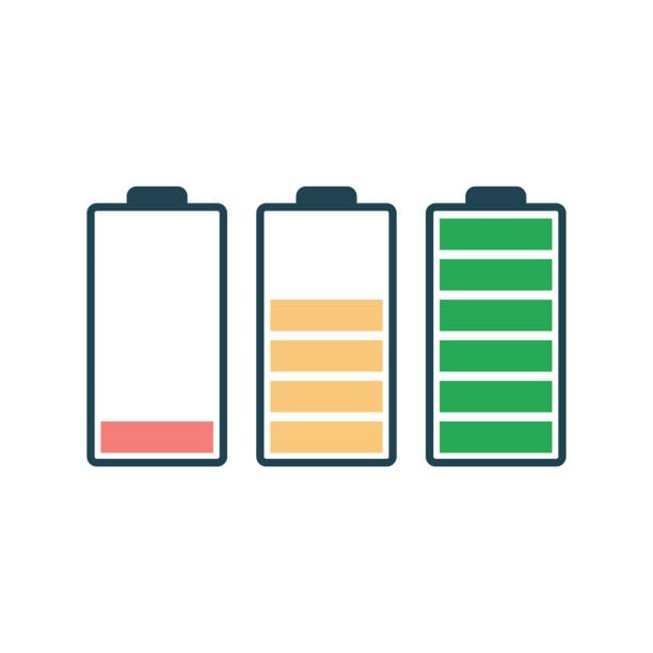
Do you feel like the batteries are a bit empty?  The tank needs refueling?  You're not alone. It's not uncommon.  It's a bit like when your phone is on low power mode.  We, the battery drops, we switch it onto low power mode.  And yet we are still checking our messages, our emails, sending texts, ordering Ubers, in a hope that the phone doesn't die before we can get to a charging point.  And that's a little bit like how we feel post COVID.  We need to plug in to a charging point. 

We are all wandering around on low power mode, wondering why we don't feel our best and why we're not performing at our best when we know we are capable of more.  And yet there's just this feeling of I'm over it, I'm tired.  This productivity guilt that then comes in.  I know I'm capable of more, but I just haven't got the energy.  We get frustrated with our loved ones because our tolerance levels have gone down.  And that's all normal.  It's also a sign that we need to take a break, that we’re feeling burned out.

Burned out staff will not perform at their peak, they will also not be engaged.  We know that that has an impact on the bottom line.  Retention will suffer as they won't be sticking around and there will be the obvious impact on productivity.  To enable your team to perform at their peak, to re-energise, to re-engage, to press reset.  We need a new way of thinking, a new way of doing things. To develop some practical strategies to wipe the slate clean, move forward and to be our best without burning out in the process.  We blame COVID and say, well, now it will be different but there is this change fatigue. This COVID hangover that hangs over most of our organisations that we need to address.

Burnout to Brilliance is one way of doing that.  Otherwise, without this support, it's like wading through treacle in an environment that's changed forever.  So if you want to give your staff the renewed motivation and increase in productivity, the ability to focus, the perception of time to shift from the busyness, the noise, the distractions to performing at their peak, then I would love to share the Burnout to Brilliance programme with you.

High Performance Habits

‘We are what we repeatedly do.  Excellence therefore is not an act but a habit’ – Aristotle

Often the difference between those who succeed and those who do not is the habits they form. This is how we hit peak performance – forming good habits and breaking bad ones.

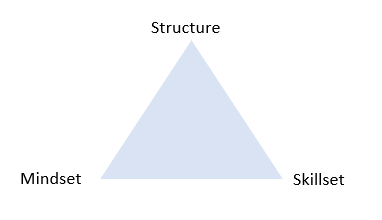
All Blacks mental skills coach, Gilbert Enoka, talks about this in relating his experience of coaching rugby players. There’s a combination of mindset and skillset he says is crucial for success, but there’s also a third, equally important point: structure. Together, mindset, skillset and structure make up Enoka’s success triangle.

He’s witnessed players who have the necessary skills and mindset still fail to make the team because of a lack of structure. If they can’t adhere to the necessary routine of training, early nights, meal plans and habits, they will inevitably not succeed.

Of course, the fact that habits are so important is easier said than done. Often it’s not our lack of knowledge that’s the problem but how we implement the knowledge we do have, especially on a regular basis. Success requires structure, in the form of a succession of positive habits.

Forming good habits sounds simple, but, of course, it’s not. Otherwise, we’d all go to the gym, eat salad all the time and wake up at 6 am every day. Even when we know the negative impacts of a certain habit, it can be hard to break. Think of smoking, for example; we all know it kills us, but sometimes that’s still not enough to stop us.

A habit is a repeated behaviour that becomes automatic. The trouble is that we tend to find it easier to keep the bad habits and harder to form good ones – that involves more effort and less immediate reward.

Our bad habits work against us by being easy to perform and giving us instant reward hits – a wine on a Friday night, for example. Eating well, in contrast, won’t give us an immediate sugar hit, and the health benefits or weight loss might not be evident until weeks down the track.

How can we build positive habits and break bad ones? The best advice I’ve heard on this topic comes from James Clear in his book Atomic Habits. Clear believes that both success and failure are preceded by habits, and that we can be the creator, rather than the victim, of our habits. What’s on our desk or the way we set up our home can influence our behaviours and habits, he says; our environment is the architect of our habits.

What I like about focusing on our habits is that it puts us in control; it’s something we can influence. Whilst we tend to think that success is just down to talent, and that some people are just high performers for that reason, there’s much more to it. Talent gets us so far, but great habits make the difference. It makes sense when we look at those who are truly talented. At some point, those people are going to reach a peak at which everyone else around them is just as talented. At that point, how do they stand out? The answer lies in good habits, continuous improvement and a drive for performance. A lot of top athletes, for example, may have had talent to start with – but so did others who’ve not made it in their field. The difference most of these athletes talk about is the hard work and effort they’ve put in.

Peak performance is about forming good habits and repeating them consistently, whether that’s a gym routine, organising your diary, doing your filing, taking a lunch break or checking in on the team.

Let’s look at breaking bad habits first.

Reducing exposure and temptation is fundamental. If you want to save money, unsubscribe from those marketing emails that tempt you with specials. Want to stop eating chocolate at night whilst watching TV? Don’t buy it or have it in the house. If you have to get in the car and go to the shops for it, you’re less likely to pursue it – making the bad habit harder helps break it. I don’t have biscuits in the house usually; it’s an easy way to break my bad habit of demolishing a whole packet in one sitting.

Is your environment conducive to forming good habits or bad ones? Which habits are easier for you, and how can you make the bad ones harder and the good ones easier? Having my gym kit ready to go in the morning means I’m more likely to go to the gym later that day – in that way, I’ve made the habit easier.

The law of least effort applies, according to Clear. If we succeed in making bad habits harder and good habits easier, we’ll see a shift. We also have to want to create the habit (that is, we have to enjoy it), and we have to have an environment that’s conducive to the habit and a plan to make it happen.

The law of least effort is why it’s easy to binge-watch Netflix. It’s easier to let it keep auto-playing the next episode than to pick up your device and press stop. In this way, when we plan on watching one episode, we often end up watching the whole season and staying up three hours later than we meant to!

This is why I go on retreat to write books. It removes distractions. I find less excuses not to write when I’m away in the countryside, in a cottage, by myself. I don’t have TV and I don’t take books; it’s just me and my writing. I have to make it rewarding, though, so I take my favourite snacks and give myself a target. Each day, when I hit the word count that I’m aiming for, I reward myself with a cup of tea and some chocolate biscuits. That gives me that instant gratification; a reward that comes much sooner than seeing the book on the shelf. In this way, I’m forming good habits and making them easier to adopt.

I love the sauna, but the gym takes a bit more motivation. I go to the gym, and then I reward myself afterwards with a sauna, which is in the same building as the gym. I know I only get the sauna if I go to the gym, and once I’m in the building for one, the other becomes much more doable.

Another great hack from James Clear when it comes to forming good habits is something he calls ‘habit stacking’: adding a new habit we want to form on to an existing habit we already have, so we’re more likely to do it.

As an example, I mean to take my supplements every day, but I often forget. Leaving them by the kettle helps remind me and make this habit easy, because I’ve stacked it with another habit I know I’ll do every morning – my cup of tea.

Similarly, my meditation habit is something I do each morning for 10 minutes at the same time my partner is walking the dog. It means the house is quiet, and it’s part of my routine before my shower.

Thinking about habits can become a drain – the ever-constant thought ‘I must do this.’ Reframing statements like this into ‘the kind of person I want to become’ gives the habit more meaning and also motivates us.

I want to be a calm, clear-headed, happy individual; that’s why I meditate each morning. That self-talk gives me a different way of thinking about the habit; it’s not just another thing on my to-do list I’ve got to get around to doing today. It connects my activity with my ‘why’: the benefit I’m getting from the habit and how I identify myself. It links my results to my beliefs. There’s also the added reward hit my meditation app gives me: a gold star each time I don’t miss a day. Let’s face it, the reward of a calm, clear mind takes much more than one session to realise.

So, what habits do you want to form, and what’s your plan of action?

Having the goal is one thing, but James Clear will tell you that the habit is the system behind the goal: it’s the habit that will make the goal a reality.

Our fitness or weight loss goals only happen because of healthy habits. Our revenue goals are realised because of our sales strategy, so success is less about what we’re aiming for and more about what we’re going to do to get there – then the result takes care of itself.

This knowledge enables us to create a plan and develop good habits. I really like the analogy Clear uses of running a race. We tend to focus on the finish line, and ready ourselves for the result we want to see. But Clear tells us we should focus on being ready for the start line. If we’re ready at the start line, the finish line (the goal) will take care of itself; it will eventuate by virtue of our training and preparation (our habits).

If I’ve already put my gym kit in the car the night before, I’ve already done the hard work; the chances are greater that I’ll work out now rather than turning around and going home.

It’s worth considering how you can make your good habits more achievable and more within your reach, otherwise your goals can become overwhelming. Clear advises focusing on one habit at a time and aiming for a 1 per cent improvement. This is achievable and still impactful as it compounds: Clear calls it the power of tiny gains.

Find out more in the new book, Burnout to Brilliance, out now

A focused mind is a brilliant mind – the art of flow

Have you ever found yourself so completely immersed in a task hours flew by unnoticed? Or been so absorbed in what you were doing, the doing became the goal.  It’s often when we’re feeling most energised and accomplished and likely to be the effortless state of performance, known as flow.

Flow is referred to as an optimal state of presence and consciousness, where we feel our best and perform at our best.  As part of being our best and achieving brilliance I wanted to explore this concept of flow and how we get there more regularly.

When we’re in flow it’s likely we’ll feel full of energy, our productivity will increase, we’ll be more creative and innovative and we feel more confident and happier.

In a 10-year McKinsey study, top executives reported being five times more productive in flow. That would mean if we spent Monday in flow we could literally take the rest of the week off and still have got more done than most.

While most of us spend less than five percent of our work life in flow, if that number could be nudged up closer to 20 percent, according to the same McKinsey study, overall workplace productivity would almost double.  That’s a significant shift on the dial where performance is concerned.

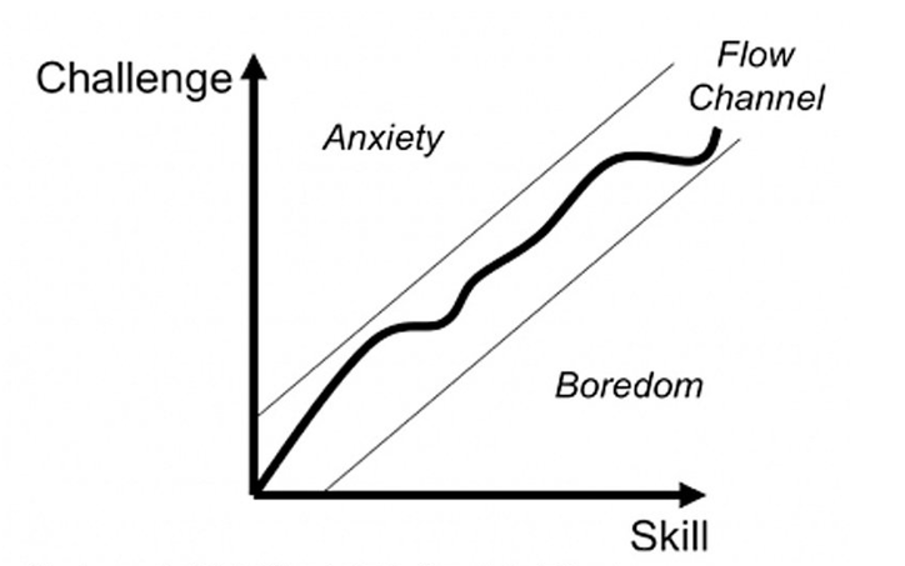
Research by flow guru Mihaly Csikszentmihalyi tells us to create flow, an activity must stretch our potential enough to have an even balance between how challenging the activity feels for us, and our level of skill to complete the activity. It is known as the challenge to skill ratio.

Commonly described as being in the zone, totally absorbed in the task, oblivious to everything going on around us and merging at one with the activity.  Flow is often attributed the athletes and artists but available to us all.

We only have a finite amount of attention and focus: if we’re spreading them across many activities, it makes sense we’re not going to achieve the same level of quality. If we’re attending a meeting whilst thinking about what’s for dinner, reading the notes from the last meeting and checking our emails, all of those activities are going to be compromised. If we focus all of our energy or attention on one thing, the quality will improve dramatically.

Flow is like mindfulness, which I’ve long thought is the secret to success is so many ways.

When we succumb to the flurry of thoughts running through our head, our minds become chaotic, and we get more and more distracted.

A 2016 study conducted at the US National Institute on Aging found that allowing our mind to be disorganised doesn’t just feel bad – it’s also actually bad for us. A disorganised mind leads to high stress and chronic negativity.

This reminds me of my yoga teacher training. When doing balancing poses we’re always told to find a gaze point (‘Drishti’ in Sanskrit, meaning ‘focused gaze’, used to develop concentrated intention). When we focus our eyes on one, non-moving thing, we find balance so much easier, and our concentration improves. When we’re looking around the room at everyone else, we wobble much more. When we focus on one thing at a time, we make a better job of it.

Tips to create flow

·       Practise mindfulness – a present mind is a focused one.

·       Do things that use your skills/strengths.

·       Develop healthy habits (in terms of sleeping, eating and moving).

·       Look for a healthy level of challenge and stretch.

·       Take regular breaks.

·       Avoid distractions.


Power, privilege and the impact of the double bind

It’s been a big couple of weeks for women in the media and not for the right reasons. I didn’t weigh in on the derogatory comments about Nadia Lim last week, I tend to stand back, reflect and order my thoughts and consider if they are useful to share – a novel concept many others might wished they’d have considered.

It came as no surprise to most women that this misogyny still exists, although most perpetrators are usually more clever than to think they can say it publicly and get away with it these days.

What this underlines is that it’s different for women and power imbalances mean this stuff has been happening for too long.  At the root of this issue is the fact that he thought he could say it because it’s been ok before and he’s accustomed to saying what he wants and not being held to account (the power imbalance).

Most of our businesses have spent more time and energy in PR damage limitation when this gets out than they do in solving the problem in the first place.  Indeed, as this shows, it’s often those at the top who don’t see there’s an issue with this kind of behaviour, to the point of partaking in it.

Nadia Lim started that business and yet was referred to as if she was the cover girl, a hired model to make the brochure look good.  Because how can a woman who is young, pretty and of mixed race also have a successful business?

The fact that he thought it’s ok to comment on her appearance (in material about her own business for gods sake) says it all, I’m sure he’s appeared on many flyers for DGL.  Sadly though because of the bias that exists and the worlds we’ve grown up in a middle age white man on a flyer is seen as a CEO/Business owner whilst a woman is seen as an object to be objectified.

In fact sometimes that’s where the misogynistic reactions come from – you’re not who we expect you to be, you don’t fit with our norms created around women of your age/appearance.  I feel threatened that you’re on my patch – how dare you not know your place!

Maybe he’d wished he’d written books, got his own magazine and founded one of NZs most successful online food delivery enterprises.  The fact that someone (a woman) can do all this and still be subject to this show’s we’ve not come that far at all.  Would those comments have been made if she was male – Jamie Oliver perhaps?  Of course not.

The outcry has been deemed by some as ‘cancel culture’: cancelling misogyny or just expecting better moral judgement from our senior leaders?  It’s basic respect and dignity and if we’ve lost that art the human race is in more trouble than we thought. 

On that subject there was a small window of opportunity, to ask the question, how do I make this right?  Instead it appears he asked, how do we make it go away, how do I save myself?  A demonstration of privilege and the luxury of being able to do whatever he wants, someone will fix it for me because they always have.  So to add insult to injury a flurry of hollow apologies and ‘lessons’ form the damage limitation and restore the power in balance.

And of course we know that apologies in this space mean nothing other than, I’m sorry for myself, that I’m losing face, losing money and that this went bad for me.  I find it hard to believe that anyone who utters those words can also be sorry for what they said – they wouldn’t have said it if that was the case. 

The media is outraged and we say things like it’s not 1960 anymore guys and yet most women know this goes on daily although not always in the spotlight of the media.  Even when it’s unsaid there are still in balances between gender and power.  Women are judged differently and collectively we spend far too much time speaking about their appearance, relationships, kids and other things we think are markers of a ‘successful female’.

In fact therein often lies the problem, we call it the double bind.  Women are supposed to be one thing ‘pretty, polite, nurturing, mothers etc’ and then also expected to be fearless leaders and when those two things don’t match up in our minds we have this cognitive dissonance which results in women being put in a no win situation.  I’m supposed to be a respected leader yet I don’t fit the bill because of expectations made about my gender hundreds of years ago.

So on one hand I sit with the frustrations that we’re still having these conversations but also this sends a very loud message that the world has moved on and the Simons haven’t.  In fact you’re out of touch if you think this is an acceptable way to behave and that it won’t go unnoticed.

So it turns out he’s more famous this week than he was last but for all the wrong reasons.  Nadia has long been a house hold name because of her success with My Food Bag and it’s for those reasons she should be getting air time.


Performance and periods

Last week the news in sport has been consumed by the reaction to Lydia Ko’s performance impacted by her period.  Which seems to have come as a surprise, except to every single woman!

I remember playing soccer sometimes having a period would be the same as carrying an injury.  Not to mention the mental impacts as well.  Brain fog, tiredness and a reluctance to want to leave the house or speak to anyone!  I’d often feel like I have the flu coming on but it was my period, or perhaps I was depressed, no just my period.  Some kind of serious internal injury?  No, again, just a period.

It hasn’t been talked about (like menopause and pretty much most issues that impact women) yet is a reality the causes real impacts.  Impacts we’ve often been taught to ignore or push through, as if this shouldn’t be something that impacts us.

I often talk about seasons to our soul, times we feel at our best and times we retreat inwards and need to regroup.  Whether that be morning vs evening for those who are owls or larks.  Winter or summer depending on the impacts the weather has on your energy and the sluggishness dark mornings and short days bring about.  Or simply just an introvert needing quiet space to focus and an extrovert feeling their best in an open plan office.  We’re all different and we know what helps us perform at our best.  We also know what stops us from being at our best and the things that take the shine off our brilliance.  Periods for many women can certainly do this.

Periods are normal, so are the impacts they have and the way it can influence our performance.  Yet talking about them and accepting they impact performance not so much.

Just because we’re capable of brilliance doesn’t mean we should expect it all the time.  Part of being brilliant means embracing our humanness and performing in line with those seasons to our soul, the flow of our best whether that be the time of day, month or year.  Of course the brilliance of periods is that they link to the human ability to reproduce and bring life into the world and yet they come with these side effects.  Just like being human, we’re amazing yet also imperfect at the same time.

In order to be our best we need to meet ourselves where we’re at, know what we need and know when to pull back.  There is a tendency in our busy modern lives to push through anyway, whether that be a bad period, a sleepless night or serious life events.  Animals rest when they’re injured or tired, they change their rituals and routines with the seasons and live in harmony with nature – I think we could learn something from them.

7 ways to adapt to change on our return to the office

As we move into autumn there’s definitely change in the air.  The leaves are starting to fall, the temperature has dropped and we’re all slowly making our way back into the office in a bid to return to pre covid working arrangements. With the country moving into orange and many workplaces insisting on the great return we’re once again changing our routines and adjusting to a new normal.

Many organisations have deemed May the mass return deadline. With a view to bringing back collaboration, contributing to the economy and filling our deserted city centres with the sound of commutes, working lunches and coffee catch ups once more.

For some it’s a welcome means of social interaction, structure and routine but for others it’s another change, another ask of us to adapt and adjust to something different.  After spending the last two years adjusting to working from home the upheaval will be felt keenly for those who prefer not to commute, have got very comfortable at home and are now wondering why they need an office and all the challenges that come with it – distractions, increased costs, longer days etc.

Either way we’re all having to adapt again as change comes.  As it always does.  Just like the seasons and the falling of the leaves.  As summer gives way to winter our cosy home based offices are now giving way to a return to the commute.  But this is life, change is constant and our need to adapt constantly being tested.  With that in mind here’s a few tips to help navigate the next few months:

1.      Know yourself and what you need - from a health perspective but also how you work best. I know I do my best thinking in the morning, I also know as an introvert I need quiet to focus. I’m also aware that I need to get out in nature and stretch my legs when i’ve been sitting at a desk for too long. Keeping an eye on how we feel and knowing what we need gives us the ability to respond to our changing moods and energy levels and stay at our best.

2.      Keep a track on your energy levels. I love checking in with myself and doing an energy audit. It helps me know when to expect my best and when to back off. Knowing how I feel gives me a better chance of making good choices on what to do next.

3.      Reflect: What did you learn over the last couple of years?  How can you keep some of what you enjoyed, how can you use it as an opportunity to change some of what you didn’t?

4.      Structure and routine is key, plan your days, set up your calendar so you control it not the other way around.

5.      Organise your work accordingly: where possible deep work for days at home undisturbed, team work for days in the office with others.

6.      Make the most of the commute: if you’re going to be out of the house why not stack on to those days the shopping, catching up with friends for lunch, gym on the way home, hair appointments etc.

7.      Know that change is a constant and give yourself time to adjust.  It’s normal if it feels like an upheaval so go easy on yourself during those first two weeks, it might feel more tiring as we adapt to the change in routine, getting up earlier and having more to think about.

Whilst we’ll  all have different feelings about the return to the office as we head into winter know that we’re united by the fact we’re adapting to another change is circumstance and routine but just as the seasons change so do we.  Those, like me, who are sad to see the summer go can look forward to cosy night in front of the fire instead.  What are the silver linings in your change?  Getting out of the house, booking a trip overseas, or getting to dress up again!  We’re all different so know that your experience is valid but it may not be the same as those you work alongside.

Is your environment helping you grow?

This year I moved to Waiheke Island from Wellington.  It’s been quite a shift in environment, especially the summer climate.  It’s exactly why I moved here but it’s made me realise the importance of environment and I’m not just talking about being warm and near the beach.

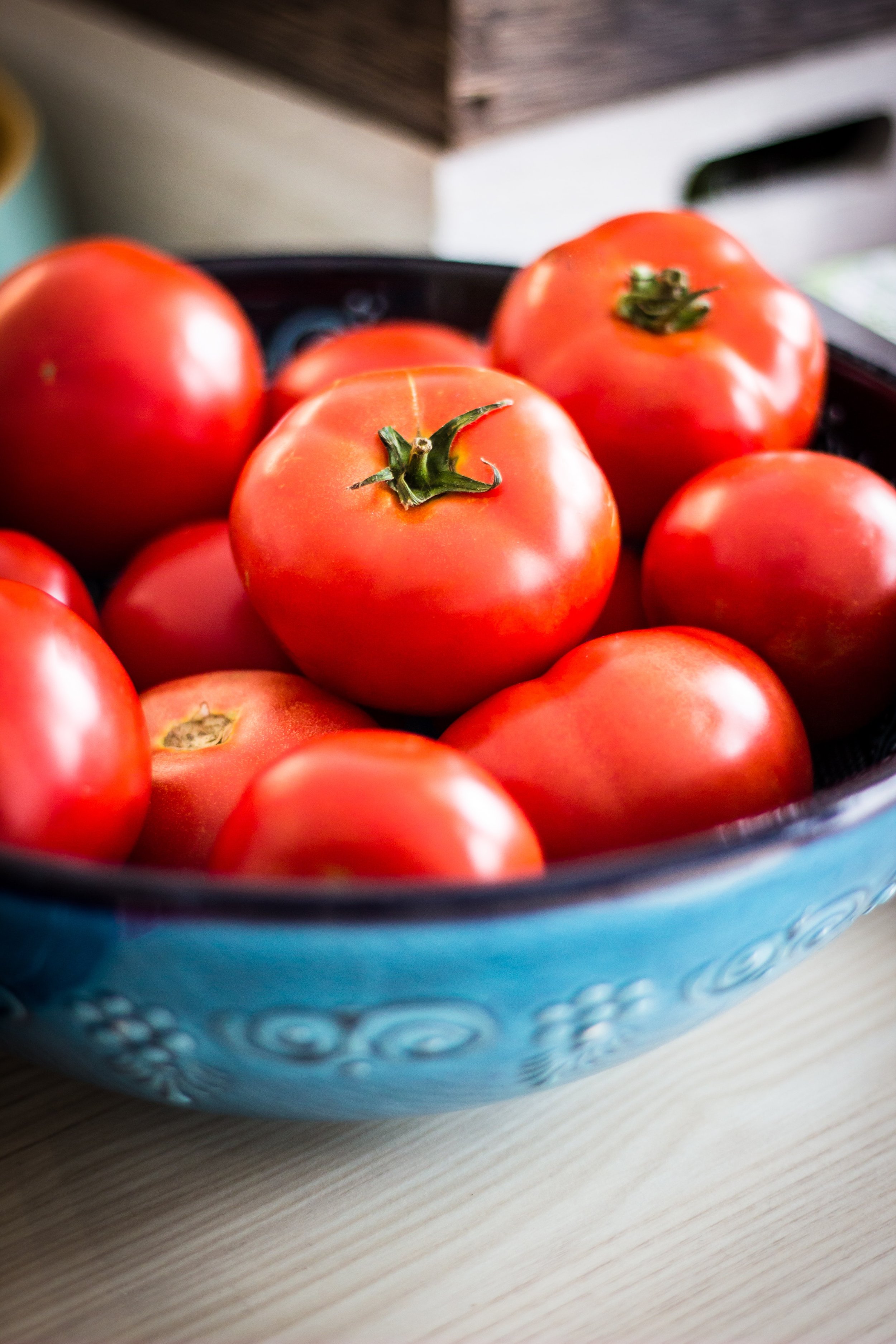
I grew tomatoes in Wellington.  They took about 3 months, it was a slow process and I’d maybe get one a week when they fruited.  This process involved bringing them inside to shelter from the wind on certain days or watching them snap in the gusts.  The process here is quite different.  It’s more about watering them daily and reaping bountiful harvests of boxes of fruit most weeks!

Our surroundings impact on how we perform.  For plants this is obviously about climate but we’re no different.  Our work climates are made up of the culture we exist in, the people we work with and how much autonomy we’re given to do our job.  It includes how well we look after ourselves and the environment we create at home.  Are our weekends full of calm and rest to enable a recharge?  Are we organised and know where everything is?  What about our desk or our filing system?  All of this creates our environment and either helps us grow or not just like the tomatoes.

So we know what creates our environment but what leads to us doing or not doing these things.  Why do some people have an environment more conductive to success and others one that makes it harder for them like tomatoes growing in Wellington?

This is down to our habits.  It’s a series of good habits that produce an environment for success. 

 ‘We are what we repeatedly do.  Excellence therefore is not an act but a habit’ – Aristotle

Often the difference between those who succeed and those who do not is the habits they form. This is how we hit peak performance – forming good habits and breaking bad ones.

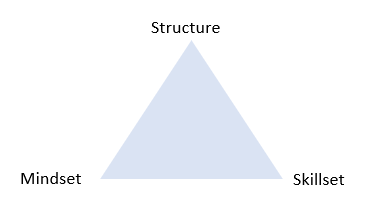
All Blacks mental skills coach, Gilbert Enoka, talks about this in relating his experience of coaching rugby players. There’s a combination of mindset and skillset he says is crucial for success, but there’s also a third, equally important point: structure. Together, mindset, skillset and structure make up Enoka’s success triangle.

He’s witnessed players who have the necessary skills and mindset still fail to make the team because of a lack of structure. If they can’t adhere to the necessary routine of training, early nights, meal plans and habits, they will inevitably not succeed.

Forming good habits sounds simple, but, of course, it’s not. Otherwise, we’d all go to the gym, eat salad all the time and wake up at 6 am every day. Even when we know the negative impacts of a certain habit, it can be hard to break.

So what are your habits and how are they creating your environment?  What needs to change and how can you form some better structure around your day or your week.  This might be getting up earlier, blocking out time in your diary for planning or booking in time for exercise during the day.

Find out more about the power of structure and how to be your best om the new book, Burnout to Brilliance

What stops us being brilliant?  The barriers to peak performance

We know what creates peak performance but what about what prevents it?  Author of The Inner Game, Timothy Gallwey refers to the barriers to performance as interference.  Emotions that get in the way of us achieving our potential. 

performance = potential – interference

Gallwey’s 3 emotional interferences are worry, guilt and fear.  These are all barriers to us achieving our potential and therefore performing.  Gallwey believes to maximise performance we need to minimise inference. 

Whilst interference comes from our thoughts it can also be impacted by our surrounding environment, including the people and distractions in it.  Gallwey also advises an essential component to performance is giving our full attention to what we’re doing (flow) and is an advocate for removing inference in the form of distractions.

Worry is a commonly experienced emotion with anxiety at work much talked about.  I like using the circle of influence to control my worries when they occur and I love the quote by Mark Twain “There has been much tragedy in my life, at least half of it actually happened”

Worry is an emotion that robs us of the present and also robs us of our potential.  If we spend all our time worrying about things that have happened or the what ifs that may happen we’ll miss out on the potential we have in the here and now. 

Anxiety is an emotion that can exacerbate burnout and also impact some of the good habits we need for peak performance like sleep, exercise and what we eat.

Guilt is more subtle and not talked about so much but sits there under the surface for most of us and is just as impactful.  It’s one of the emotions that drives unsustainable work-life balance. The guilt of saying no or not leaving early for an appointment for example.

Many of us can think of a time fear has stopped us at work, whether it be applying for a promotion or speaking out in a senior meeting.  Where fear is concerned our minds play negative tricks on us to keep us safe, but this can also keep us unchallenged and unfulfilled.  Our biggest fear is often our fear of failure.

I’m going to go out on a limb here and suggest to achieve peak performance we have to fail – and this is the opposite to what we get taught.  Our society believes failure is the opposite to success and many of our organisational cultures operate the same way leaving us feeling there’s no place for failure and therefore a resulting fear of it on this quest for peak performance.  It’s why giving ourselves permission to fail is so hard on our journey to brilliance, they seem like competing ends of the extreme and yet it’s one of the most impactful strategies we can employ.

Once we understand our unique talents and the barriers that get in the way we are equipped with the knowledge to achieve our potential.  From here cultivating a mindset of brilliance and the habits and structures that ensure we remain energised and sustainable unlock the key to peak performance.

Find out more in the new book, Burnout to Brilliance, out now


My own burnout story

I was born in rural England to a loving family. We were not well off, but my life was generally one of privilege. I was sold on the cultural norms of being a high-achieving woman. I climbed the career ladder, and chased the promotions, the company car and the salary package. I got the top job and the beach house. I settled down and had it all figured out by the age of 30 – or so I thought.

I was working hard and yet there was always more to do, more to prove. It was never enough.

The result was that I became stuck on the treadmill of ‘doing’ life without really finding any joy in it. I wasn’t living my life, and as a result I was deeply unfulfilled. I’d lost touch with what was important, who I was and what I wanted. My health began to suffer, and I was unhappy – it was at that point I experienced burnout.

It was shortly after I’d taken over covering the role of a colleague in addition to my own. Now heading up two teams and looking after 10 sites instead of five, I was stretched further across the country, sitting in more leadership meetings and involved in more projects than I could keep up with.

I spent most days in the car or back-to-back meetings. I had little time to enjoy the beach house I had settled in, as I was always in hotels working away. When I was at home, I had little time or energy to indulge in any hobbies or exercise, or even function in my relationship. But the high achiever in me kept pushing. More was better: I had to prove myself, and failure was not an option. Besides, I didn’t want to let people down.

My boss at the time called me to ask if I’d manage a big change project about to hit the manufacturing part of the business. I was going through a breakup with my partner of seven years, and she thought it might ‘help take my mind off it’. It was the straw that broke the camel’s back. As my life unravelled, so did my health.

Physically, the defining moment came at a gym class on my 31st birthday. I was exhausted as usual and a little out of shape, but also looking for excuses not to go home and face the music. Midway through a step class, I felt a pop in my knee and collapsed to the floor. Amid the thumping music and frowns of onlookers, I broke down and cried, heaving sobs. I couldn’t even feel my knee, so it wasn’t pain-related; it was the fact that a lid of emotions seemed to have had lifted, and it hit me like a truck. I started to cry that night, and didn’t stop for about a month. I couldn’t get out of bed, and conveniently for my work I was bedridden for recovery of my ruptured cruciate, which might need surgery. For work purposes I could hide behind this sports injury rather than my breakdown. I didn’t want anyone to know I’d failed; that I couldn’t cope, couldn’t keep up.

Those long days in bed gave me a lot of time to think, and forced me to spend time recovering because there wasn’t much else I could do. I also started to talk to a professional about what was really going on for me, in a bid to figure out what I should do next.

That turned out to be to wipe the slate clean and start again. To throw out everything that wasn’t working and figure out what would. My relationship, my job – even the beach house – all ended so I could begin the rebuild and finally devote time to who I was and what I wanted.

I knew something had to change, and decided that that ‘something’ was everything.

My reinvention wasn’t a revelation that came to me in the middle of the night during a ‘seeing the light’ moment. It was more of a ‘hitting a brick wall’ kind of moment: I hit the wall, and then the wall came crashing down on top of me. It was a choice my body helped me make, because it realised after a year of hints that I wasn’t getting the message.

When I think back, the signs were there. It was a slow burn; it was just always more convenient for me not to notice. I was always on the verge of getting sick, battling a tiredness no amount of sleep or long weekends could cure. My batteries always seemed to be running on empty, and I’d lost my motivation for practically everything. I didn’t have any joy in my work, or in the things I used to enjoy in life. I’d excuse this malaise at the weekend, telling myself I was tired and rest was the right thing to do to offset the busyness, and then I’d throw myself into my work to keep my mind off these gnawing doubts and problems.

I withdrew from friends, as I hadn’t the energy to socialise. I justified it by telling them how big and important my job was, and in my own head told myself I needed the rest and that those with ‘my sort of job’ couldn’t be expected to socialise in the week; it wasn’t part of the deal. The truth was I’d lost interest in being around others or having fun or making an effort to do anything really. The irony was that this big job that took up so much of my life and was the Holy Grail of career success actually no longer interested me either. I’d lost my passion for the very thing I was making all these sacrifices for. I didn’t want to be at work; I couldn’t really care less about the work I was doing, such was my burnout. In hindsight I can see that I was checking out, losing motivation and ultimately disengaging from work and life because of my burnout.

I’d got into the habit of drinking a bottle of wine every Friday to unwind, and got out of the habit of exercise. Before my burnout that would be another thing I’d cram in so my life had all the hallmarks of success. I’d go to 6 am yoga or head to the gym after work but just prior to my burnout even that had slipped: I’d treat myself to takeaways because I had no energy to cook and, well, I needed a treat. Life was hard – this was self-care, wasn’t it? I’d tell myself I could do more self-care when my holidays rolled around, but of course it was never the right time to take leave, so they never did come around.

So, at 31, I gave it all up and started again, in a bid to recover from my burnout and to ensure that I never got this low again. I wanted to rebuild my life around my passions. If plan A wasn’t the answer, as everyone had led me to believe, what was?

I walked away from my long-term relationship, gave up my career in the corporate world and decided on a complete change of direction: I would follow my passion for writing books.

Part of my recovery included a trip to Bali (isn’t that where everyone goes when they burn out?) and another part involved spending time back in the UK with those who I loved and needed around. I interspersed these with many retreats and ashram stays, at which I could devote time to yoga, mindfulness, silence, meditation and reconnecting with myself.

This turned out to be the turning point.

I spent a year writing my first book and doing other things that made my heart sing, including travelling the circumference of Australia in a camper van and visiting Bhutan. I taught English to Buddhist monks in Thailand, and lived in ashrams and mindfulness centres.

I had always been sold on the concept that a good job and a regular income provides you with reliability. It’s scary not to have a pay cheque coming into your account every month, and for me it was the first time I wasn’t earning since I had been old enough to work.

I returned to New Zealand as a qualified coach, yoga teacher and mindfulness practitioner, with no money in my bank account. This is how I began the next chapter of my life. Based in Wellington, where I didn’t know anyone, I began putting on events, coaching and writing my second book, sharing what I’d learned and my passion with others. Within six weeks, I met the woman who is now my wife, and by the end of the year, I had a second book, a business, a new home and a dog!

In hindsight, I realise that, during my time in the corporate world, I burnt out because I was too busy trying to prove myself and looking after everyone else around me. I was juggling too many things and trying to make them all perfect, yet barely keeping up. I’d beat myself up for not having the energy to go to the gym or get up early for yoga before work. I spent a lot of hours travelling and in meetings – earning a living but not making a life.

However, my time in the corporate world provided me with some valuable research for the work I do now. I noticed some recurring themes as I worked in human resources (HR) with leadership teams across multiple countries and industries. Being in HR, you have a unique position, in that you’re often the coach and confidante of senior leaders. Not only do you get to sit on the leadership team; you also get to be privy to the recruitment to the team, and to talent and performance conversations.

This, combined with my own involvement in sport as a captain and player across Rugby, Football and Netball teams, led me to a fascination with peak performance. How do we sustain it? What is the difference between those who can and those who don’t? I saw that it wasn’t about capability, as we often think. It was much more about our mindset, our habits and the way we did what we did.

My journey has come full circle. I find myself drawing on skills from my corporate HR days of coaching, personal development, leadership development and training, now with the added benefit of my years in studying mindfulness and understanding balance, authenticity and the recipe for fulfilment.

Find out more in the new book, Burnout to Brilliance, out now

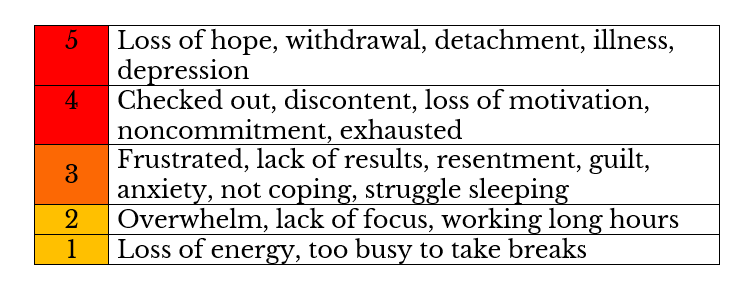
Stages of burnout, triggers and warning signs

Research out of AUT suggests 11 per cent of New Zealand workers might be experiencing burnout: physical or mental problems due to stress or overwork.  That’s more than one in every ten new Zealanders.

 We use the term burnout to describe physical, mental and emotional exhaustion.

The World Health Organisation predict burnout will be a global pandemic in less than a decade and The  World Economic Forum estimates an annual burnout cost of GBP 225B to the global economy.  We know there’s an organisational cost of burnout too with increased turnover, absenteeism and of course the obvious impact on performance. 

 The most common indicators burnout is at play are; exhaustion, a feeling of lack of control, disengaging, trouble focusing, a sense of dread about work and frequent feelings of cynicism or irritability.

Burnout is not just about quantity but the quality of what we’re doing not just how much of it we’re doing.  According to Psychology today; Burnout is not simply a result of working long hours or juggling too many tasks, though those both play a role. 

The cynicism, depression, and lethargy that are characteristic of burnout most often occur when a person is not in control of how a job is carried out, or is asked to complete tasks that conflict with their sense of self.

5 Stage of Burnout with symptoms

 In my experience, it’s not poor performers who burnout, we don’t burn out because we’re not capable, in fact it’s the opposite.  The more capable we are the more likely we are to burnout, it’s the drive of the high achiever that leads us down this path. 

High achievers are given more work because of their competence and track record which puts them at higher risk of overworking , having too much on their plate and ultimately burning out.

And of course we can’t say no, for fear of not been seen as up to the job, for looking weak or like we’re not coping. Our cultures and societal norms around this stuff keep us pushing until we hit a wall, saying yes until we collapse under the weight of all the commitments we’ve just made – then we feel like a failure. 

So how do we avoid burnout? What triggers should we look out for?

Well, if you’re tired all the time, despite getting plenty of sleep; if you’re constantly fighting off coughs and colds – always being on the verge of sickness; if you’re struggling to motivate yourself, and not finding joy in the things you used to love or don’t have the motivation to do these things … you’re on notice burnout is close.

In this state, we become less tolerant of those around us. We reach for the wrong food or increase our alcohol intake as a coping mechanism. When we’re exhausted, we tend to choose TV over exercise, or takeaways over cooking, or we skip meals completely because of a loss of appetite – these are all potential burnout signs.

And, of course, the most obvious sign is when we truly hit burnout, and end up in bed, completely devoid of energy and interest in life. This was certainly my experience – but we’re all different.

Most of us know what it’s like to be at our best; we’ve been there before. Likewise, we know what it’s like when we’re about to hit a wall and get sick: when we’ve overdone it, left it too late or burned the candle at both ends.

I like to think of this in terms of a traffic light. We all have green and red zones, and they look different for us all.

The red light stops us completely; it’s our ground zero. The green light is when we’re all go and at our best. The amber light, in between, is important: it’s our warning system. When we slip from green, before we hit red, the amber light gives us an opportunity to act and pre-empt hitting the wall and slipping into that red zone: burnout.

For me, that amber light is a twitch in the corner of my eye, a sore throat and a constant tiredness. It’s noticing I’m less tolerant and a bit snappy with loved ones. This is my amber light; my warning to back off, take a rest and pre-empt the approaching red zone.

Another way to think about this is in terms of the petrol warning light in the car. When you know your tank is nearing empty, stop and refuel, to avoid being left on the side of the road.

So what do these traffic lights look like for you? What do you notice about yourself when you’re at your best, on green? What about when you’re at your worst and close to burnout, on red? And what about that bit in between: what are the early warning signs you get at the amber light? What rating would you give yourself right now and what can you do about it?

Find out more in the brand new book, Burnout to Brilliance out now

Burnout to Brilliance

According to a 2020 study by the Mental Health Foundation a quarter of New Zealand adults are at risk of struggling with their mental health.  And even pre pandemic Southern Cross showed a 23.5 per cent rise in stress across businesses in their 2019 study.

Why is burnout becoming so prevalent and how can we navigate it to be at our best?  I believe the key lies into tapping into our brilliance.

Brilliance can mean many things.  In the dictionary it’s defined as cheerful, happy, lively, optimistic, bright, clear, dazzling, light, positive, smart, intelligent, sharp, quick, talented, inspired, skilful, excellent.  These are the things we aim for with peak performance and the things we experience when we’re at our best.

It’s the feeling we get when the sun lights up a room we’re in, it’s that light bulb moment when we have an amazing idea, it’s the 5 star rating on our performance when we’re at our best and it’s the light that shines on others when we move through work and life being our brilliant self.

When we’re brilliant we shine and so light is an intrinsic part of this concept of being brilliant.  In fact it feels light to live this way and when we’re closer to burnout we know it’s a heavy load to bear, a darker place to be.

It’s why I love the lightbulb metaphor here and for me it also represents energy, which is key to us sustaining our brilliance.  When we’re at our best we have more energy and like a light bulb we always shine brighter when we have more energy.  We also know what happens when we leave the light on too long, it dulls and eventually goes out.

Brightness is also synonymous with intelligence and of course when we’re being brilliant our intellect is at its sharpest and our brains are functioning at their full capability.

When I was in Bhutan, the kingdom famous for measuring Gross National Happiness in place of Gross Domestic Product (GDP), I was surrounded by brilliance, in terms of the light emanating from the people and the priorities their government had around environment, culture and sustainability. Many of the temples I visited had rooms full of butter lamps; there always seemed to be lights burning bright. It is said in Buddhism that light is the knowledge that dispels the darkness of ignorance.

This, for me, perfectly sums up this concept. How do we move from the ignorance of busyness and burnout to tap into our true potential and be brilliant?

It starts by looking in the right place and we’ve been distracted over recent years.  Distracted by a myth that more is better.  We need to do more, be more and focus on quantity.  What we’ve seen is that as a result quality has suffered; of our health, our work and ultimately our brilliance.  I believe in the concept that more is not always better – in fact, constantly striving for more may be the very thing contributing to our undoing. In fact, the visions we’re sold on Instagram are not achievable or real, and our organisational ways of working are built on an outdated model intended for the industrial age.

The ‘more is better’ attitude has pervaded our society, and resulted in marketing messages that only get us into debt, a mania for comparison with others (keeping up with the Joneses) and even hangovers and obesity! We all love a slice of cake, but the ‘more is better’ mantra can lead to us eating the whole thing and feeling sick. More is not necessarily better, even for the things we enjoy.

Busyness has become endemic and as a result we’re struggling.  It became a marker of success at work and something we’ve attached our self worth to with disastrous consequences.

In fact it may be true that our pursuit of brilliance has been our undoing and what’s led to so much burnout.  Being brilliant isn’t about doing more or being perfect (those are often precursors to burnout).  It’s about aligning with our skills and capabilities, believing in what we bring to the table and then of course having the energy to deliver on that.

I believe a fresh approach is required to ensuring we are a sustainable resource, equipped with knowledge on going from burnout to brilliance. There is a way of doing less to achieve more, it’s less but better because brilliance is about quality, not quantity.  This approach enables us to move from the destruction of busyness and burnout to tap into our true potential and be brilliant.

From the new book, Burnout to Brilliance here are my top tips.

·       Mind your busyness – it’s not a badge of honour or a reflection of how valuable you are.  It’s a sign you’re not at your best if you’re always busy.  Slow down so you can be effective, not busy.

·       Notice your language – what are you telling yourself?  Do you use the word busy, should or I have to do x,y,z a lot?  What’s your self-talk like and do you have control of your inner critic?

·       Prioritise rest and self-care to build your resilience

·       Know your triggers when burnout is approaching, audit your energy levels and fuel the tank as necessary

·       Focus on less but better, quality over quantity and reduce the overwhelm in the process

·       Master the art of tiny gains and focus on one thing at a time

·       Structure your life for success (harness the power of good habits)

·       Get your flow on – the art of flow increases our productivity and focus allowing us to access a state of deep work

·       Go easy on yourself – expect realism not perfection!