Acknowledging our achievements

influence.jpg

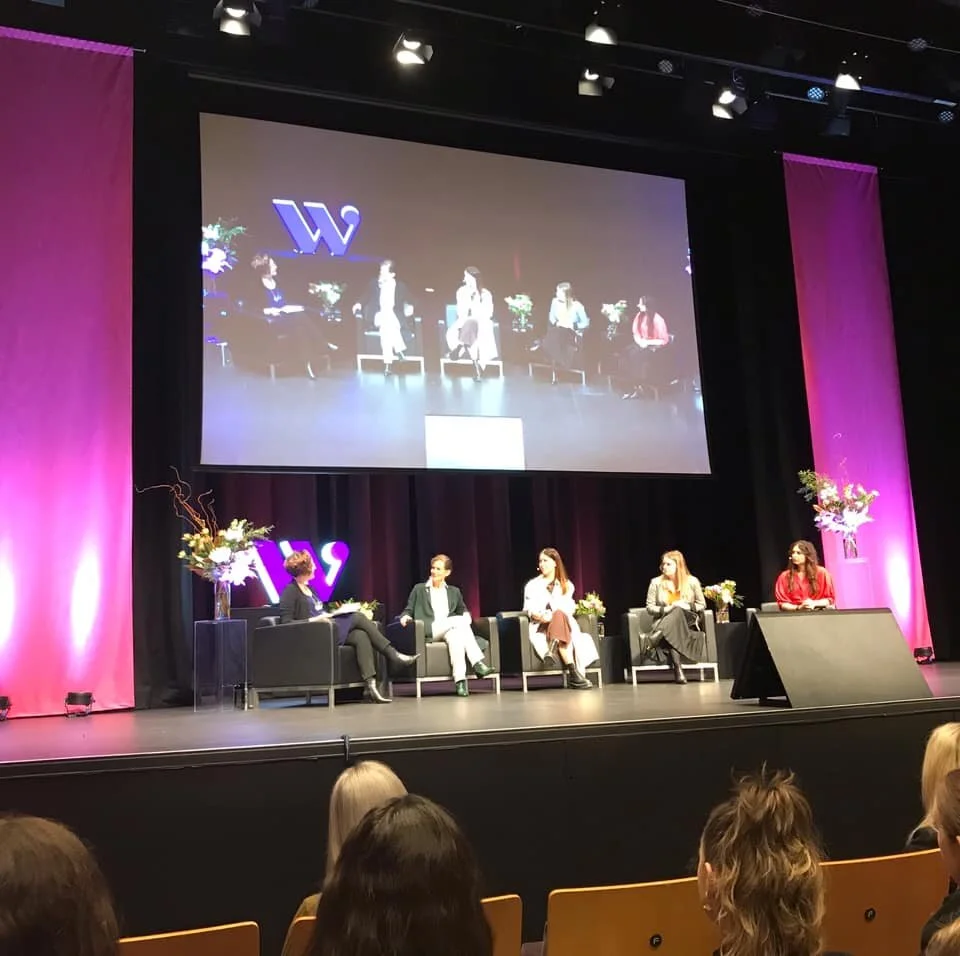
It was a pleasure to attend the recent Women of Influence speaker series and for a change not be on stage, just able to soak up the wisdom.  Loved the inspiring stories speakers shared and noticing their similarities.  Of course they talked about imposter syndrome and it was great to see successful women sharing their vulnerabilities in such a public forum.

During the Q&A I asked those on stage ‘what are you most proud of?’.  It comes from my work around our strengths and successes, knowing we don’t always do this enough as women and especially not in our modest, humble kiwi culture.

It was something the panel struggled to answer (to be fair it was sprung on them not in the list of prepared questions).  Those who did have an answer to the question said things like their team, or customers, external factors outside of themselves.  I love that we’re so eager to praise others but sometimes it can be at the expense of recognising our own contributions.

It’s not something we spend enough time thinking about and nor are we taught growing up to focus on this.  It’s why we struggle to answer the question or feel awkward answering it in a way that still feels humble.  Yet it’s a critical part in offsetting our imposter experience and building the confidence in what we bring to the table.

Other take aways from this great session included ‘nobody knows what they’re doing until they’re doing it’ which I think sums up perfectly the advice we often get to give it a go, make a start, am I ready yet?  Every new challenge we take on is simply something we haven’t learned yet rather than something we can’t do.

I was also taken by the conversation on useful doubt, similar to useful stress.  I believe most things exist on a continuum and are a line rather than a box we fit in.  For example introvert and extrovert exist at opposite ends of the same line and most of us position somewhere close to the middle either side of ambivert.  Stress is bad at both ends of this continuum (boredom vs burnout) but can be optimum in the middle – productive stress, like a looming deadline that motivates us into action!  The same may be true of self doubt, enough drive to prove our capability without too much doubt that we’re frozen by fear of not being good enough.

There’s also a difference between doubt in our worth and belief in our capability (but that’s a topic for another day)!  It’s basically the difference between self esteem and self efficacy I talk about in my workshops.

So what are you most proud of, what have been some of your wins and achievements during your career?  How might you answer that question?

We won't perform gold every time

Because we’re capable of brilliance, we expect it all the time yet being human doesn’t work like that.  Nowhere has that been more true than the Olympics of late.  A worldwide event, the weight of the nation on your shoulders, for many a once in a lifetime and four year (plus) training journey to get to this point and now you must perform!

US gymnast, Simone Biles, has been in the news for her decision to save the team and prioritise her mental health pulling out of an event following the twisties.  As she has said, it can happen to all gymnasts but you don’t want it to happen at the Olympics.  The pressure and the covid-19 complications must also be a contributing factor.

So how does this apply to us?  We’re all capable of gold medal performances, not at the Olympics for most of us but you know what I mean.  We’re all good at something and some days we’re at our best, but not everyday.  Some days we have the twisties or our equivalent.  A term I just learned last week that describes the brain block some athletes experience mid air in a twist/routine where they freeze up and forget where they’re at with their body unable to physically respond to something that’s happening in a split second.

It’s something I talk a lot about in my workshops when we look at high achiever habits, perfectionism and the behaviours and thought patterns that often manifest from our Imposter Experience.

Some days I feel really productive, other days I need to take a walk and watch the surfers and create space to think because my brain is just not in doing mode.  Some days I’m on form when I take the stage, other days I’m not at my peak and might deliver a silver medal performance instead.  This is a normal part of being human.

We often beat ourselves up for this but it’s to be expected.  Just because we’re capable of brilliance doesn’t mean we’ll be brilliant all the time.  It’s knowing what we need and doing different things to respond to the seasons to our soul, across the week, the seasons and even the day!

I struggle in the winter months, my mood, my energy levels and my motivation.  I want to eat and sleep way more (I actually think we were mean to hibernate!)  so I know to switch things up, go more easy on myself in order to get the best from me and give those gold medal performances more of a chance.  Whilst at the same time not being hard on myself when I’m not at my gold.

alex-smith-J4yQp1lIJsQ-unsplash.jpg

The Introvert Advantage

kate-darmody-Ux1rd5Unk1k-unsplash.jpg

 It comes up often in our leadership chats as well as the diversity space.  The difference between introverts and extroverts and which is actually better?  Well despite what one thinks about the other it’s neither!  It’s just different and each has it’s own pros and cons.

I’m an introvert so maybe slightly biased but over the years feeling like I should be more extroverted to be liked or promoted I’ve come to see this as a super power.

I used to think it was a weakness, I’m too reserved, I need to speak out more, I need to be the life and soul of the party to be liked.  I need to be louder at work to be noticed.  It was all very exhausting.  I see this in others and on reflection I got noticed because of what I brought to the table, including my introvert advantage, so that’s what I enjoy helping others understand.

Let’s clear up a few misconceptions.  In a nut shell introversion or extroversion comes down to how a person responds to stimulation, especially in social settings.  Introverts tend to thrive in quiet situations, while extroverts crave the opposite, tending to thrive in crowds or with large amounts of stimulation. 

Introverts aren’t shy and around the right people who they know well, or one on one can be very chatty, particulalrly if the conversation is meaningful.  Sit me at a dinner table full of strangers or a networking event and I’ll need a day by myself to get over it!  Our introvert nature doesn’t mean we don’t enjoy people or socialising, it just means we need time by ourselves to balance this afterwards. 

I love being out connecting with people but I also know I need time to myself to refuel.  I know I focus better in the quiet, without distractions and create better when I’m in my own head reflecting and considering.  It’s why I never liked open plan offices and love working from home! It’s why many introverts have found they’ve thrived in lockdown. 

Extroverts on the other hand get their energy from people, they like to think out loud and bounce ideas around with the group.  After work they want a dinner party not the couch and a good book.

Of course all this exists on a sliding scale and some might have stronger tendancies in each direction than others.  In reality most of us exist close to the middle of that scale as ambiverts with slight tendancies towards either side.  It’s less about how we act because we can all do the things at both ends of this extreme but more about how we fill our cup, where we get our energy and what we need to be at our best.

Many women who come to me for coaching are introverts and will ask things like ‘how can i be more extroverted to get ahead in leadership’.  My mantra is very much about leveraging the skills we have not trying to be like others or change our unique gifts.  But is it true, do extroverts get ahead at work, are they heard more, do people notice them, are they favoured over introverts?

In a world that celebrates ego, noise and attention you’d think so, we’re conditioned to believe that we should be the centre of attention, outgoing is fashionable and attractive and calm and reserved is often considered boring! 

Our world is designed for extroverts and we’re all over stimulated.  This makes it harder for introverts and more important we understand what we need and what we can bring to the table.  But if we’re trying to be more like extroverts or not allowing ourselves what we need we’re missing out on a super power and the world is missing out on our creativity and leadership.

I know many successful introverts, and i am one so I thought it time to share how this quiet, considered nature can actually be a superpower and therefore how to use it.

I first embraced being an introvert and realised this was a super power when I read Susan Cains amazing book Quiet.  “Introverts have nervous systems that react more when there's stuff going on around us,” says Cain. “Could be people, but it could also be bright lights and noise and so on. That means that we're feeling at our most alive and in our sweet spot when things are a little bit quieter and more mellow.”

I’ve sat in many leadership meetings where extroverts have thought aloud, repeated what others have said in their owns words, mansplained (even when they’ve not been men) and shot from the hip and we’ve been no further forward in solving the problem.  Until right at the end of the meeting when the introvert in the room who’s sat back listened, reflected and not spoken a word all meeting says one thing which adds more value than the previous hour of korero.  Our style may mean we need time to consider and reflect but it also taps into an intellect and articulation that means it should be heard not get lost in the noise.

In her TED talk Cain references studies that suggest introverted leaders often deliver better outcomes than extroverts do. 

As introverts we listen better therefore understand more (this might explain the impact we have despite saying much less), we consider and reflect weighing up options, viewing risks and making well thought out choices.  Obviously we have a duty to speak up and share our ideas but our organisations also need to make space for this to happen, facilitate the conversations to get the best out of both sets of people who sit around the table and invite space and process that appeals to both natures.

Recently I set up our entire home loan over email with a mortgage advisor I’ve never met or spoken to, it was great and I imagine he is also an introvert.  I love retreats but prefer silent ones.  Where I can avoid the group dinners and have an excuse to be by myself without feeling rude, guilty or aloof.

I suppose it’s also why I love to write books, although that’s lead to a speaking career I never imagined and actually enjoy!  When we get what we need introverts thrive and contribute so much more, make a bigger impact and can ultimately change the world. 

Give me notice, time to think and a quiet space and you’ll unleash my super powers!

So if you’re an introvert stop thinking you need to be more outgoing.  Understand what you need to be at your best, get that solitude you need to recharge.  It’s as important to your energy as a good nights sleep.

the imposter in the room

events.jpg

Recently I signed for celebrity speakers, it’s been on my bucket list for sometime and I guess having an agent has always signified progress and success in the industry I work in.  However it brings up some other stuff too.

It’s been an interesting journey for someone who started our writing books.  As an introverted author I loved nothing more than tucking myself away in a countryside retreat by myself absorbed in the art of writing.  Being on stage in front of hundreds of people was something I’d not anticipated.  I also hadn’t realised just how much I’d enjoy it.  Don’t get me wrong, as an introvert I still need that time by myself to refuel but the joy I get from speaking outweighs this.

Seeing the impact it has for people, sharing their stories in person over lunch breaks at conferences.  The impact a one to many format gains and the instant gratification of being clapped if I’m honest too!  When you write books it takes ages, you never know who’s reading them and unless they get in touch you’ve no idea if it’s made an impact so speaking has quickly become a major part of my business.  IT took a few years to get comfortable and a lot of practice to hone the skill but to now be confident on stage and making an impact is certainly my happy place.  If I needed the validation that it’s going well, this certainly is that so I’m celebrating – but I’m also feeling the heat!

Listed as an Imposter Syndrome expert alongside ‘real celebrities’ (who incidentally are also just normal humans well known for what they do) certainly brings up the Imposterism which is ironic really!  Many of you will know if you’re experts in your own field the pressure this can put on us to know all the answers or need to prove ourselves in some way to gain the ‘expert’ tag.  The irony is that we gain the expert tag because we’ve already done that work!

I’m all about keeping things real in these blogs so I thought it might also be nice to know the ‘Imposter Syndrome Expert’ feels a little like an imposter when looking at her listing alongside these big names 😊 but she also knows she has the tools to back herself and take the space that’s being offered up.  You can learn these tools too in my workshops and coaching programmes.

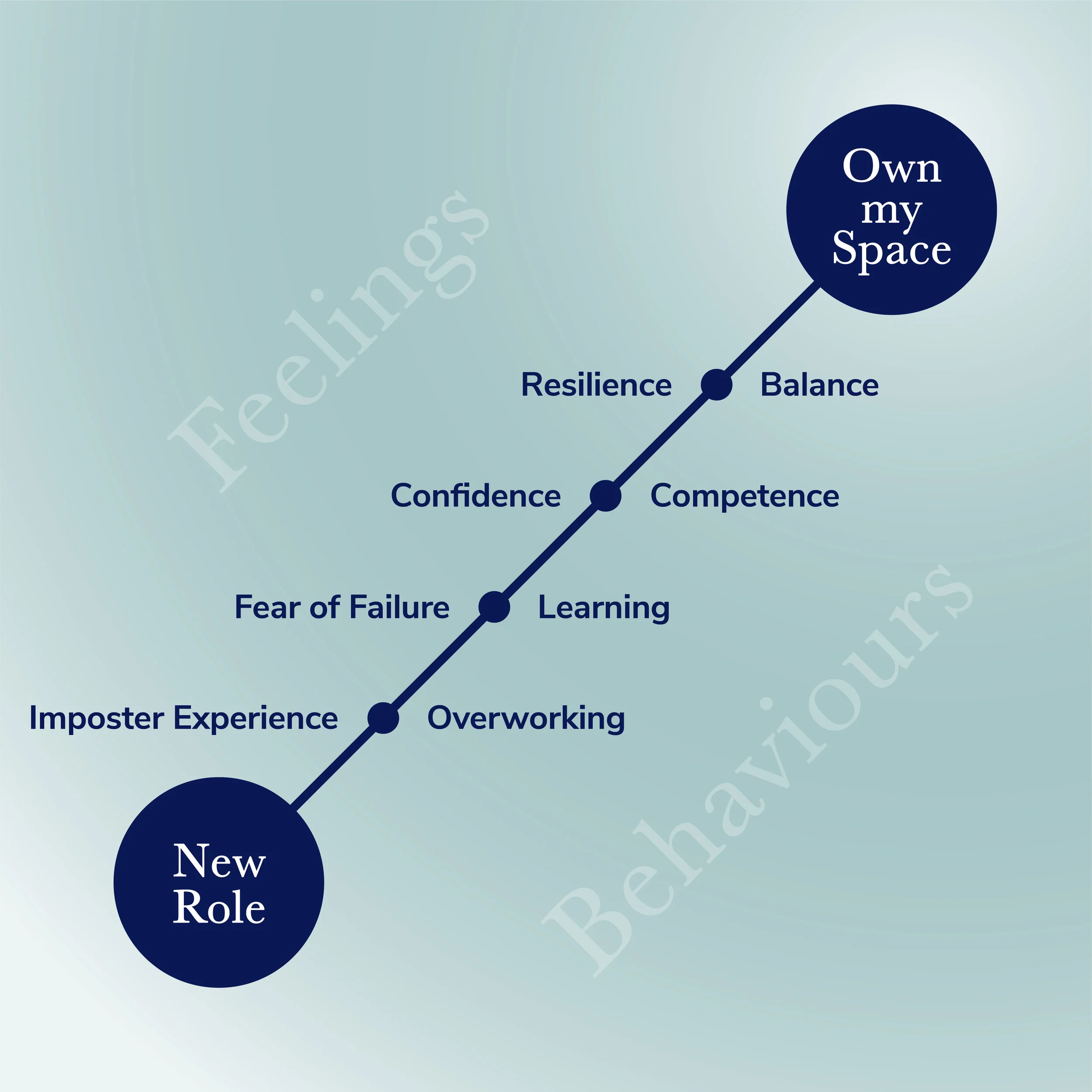
It’s a common experience when we get a new job, a promotion or get out of our comfort zone and this process below is probably one many of us have experienced. The good news is as we move through this process those feelings of imposterism diminish as our confidence grows.

Get in touch if you’d like support to own your space

New role model.jpg

We all need a tug boat

nareeta-martin-l0fQKgPdMTc-unsplash.jpg

It’s been a bit stormy in Wellington of late.  It’s normal I guess for winter.  I was up on the hill recently overlooking the ocean (warm and inside I might add).  As the swell whipped around the harbour and the rain and wind blasted the window I watched a container ship coming into port.

These things are massive and sail from the other side of the world in the open ocean withstanding conditions I can only imagine.  Yet when they get to port they need to wait for these tiny little tug boats to go out and guide them in.

It made me think of an analogy with us and our life.  Sometimes the swell is heavy, sometimes the storms are set it.  Whilst, like the container ships we’re all capable of withstanding the weather, sometimes we need a tug boat to bring us home.  Sometimes we encounter those tricky patches we’re maybe not used to or haven’t navigated before and we need support.  Like the little tug boats that come out to guide us home.  This can be in the form of people, learnings, knowledge or reflection.  It can also be the things we do – yoga and meditation have so often been my tug boats guiding me safely to port.

So who or what is your tug boat in the storm is the question I’m thinking today.  As well as drawing from this analogy that it’s often the small things in life that really make a big difference – like the tug boats.  Even the big strong container ships need support and navigation, so do we.

The pitfalls of perfect

japan.jpeg

As a recovering perfectionist I always wanted to overdeliver, in everything I did.  I remember getting off stage in the early days of my public speaking career and the first thing I’d do, before the applause had even finished was go through my notes and highlight all the bits I’d missed or got wrong.  Even though the audience had loved it, even though no-one knew what was on my script I still expected to deliver each keynote perfectly and beat myself up if I didn’t.

Over the years I’ve learned that done is better than perfect and to not let perfection get in the way of great work.  This has helped me achieve more and also stopped me burning myself out!  It’s not that I’ve lowered the bar on my standards, I’ve just reset it to a realistic level.

For me, perfectionism was driven by my fear of failure which is ironic as so often it set me up to fail by taking on too much, aiming for something that wasn’t achievable.  I was always trying to overdeliver and go above and beyond to prove myself.  I now realise this was down to my own self-doubt and fear of being found out.  The only person I needed to prove something to was my inner critic and for most of us the person in the room with the highest expectation of you, will be you.  So how do you know if you’re a perfectionist?

You’re working hard but still feel like it’s not enough, you have excessively high expectations and beat yourself up for not meeting them, you struggle to delegate or ask for help, you feel overwhelmed, you worry you’ll get found out and that you’re not good enough. You think if it’s not perfect you’re failing. You feel alone and that there is something wrong with you!

We all have our strengths and weaknesses and I remember Jackie Clark of The Aunties saying ‘own your shit, own your shine’ which sums this up perfectly.  We so often focus on eliminating our weaknesses whilst at the same time playing down or ignoring completely the things that make us great.

We hold perfection up as the standard we must achieve and then we beat ourselves up for not attaining it.  We feel like we’re falling short as much of what we aim for isn’t possible.  Whether it’s trying to look like the airbrushed photo of a magazine or wishing our life looked more like someone’s social media high lights reel – we’re aspiring to an impossible standard that’s not real.  We’re setting ourselves up to fail.

I tell you what is real – imperfection!  Imperfection is human and it can still be pretty amazing.  We will make mistakes but we’re also capable of brilliance – just not all the time!

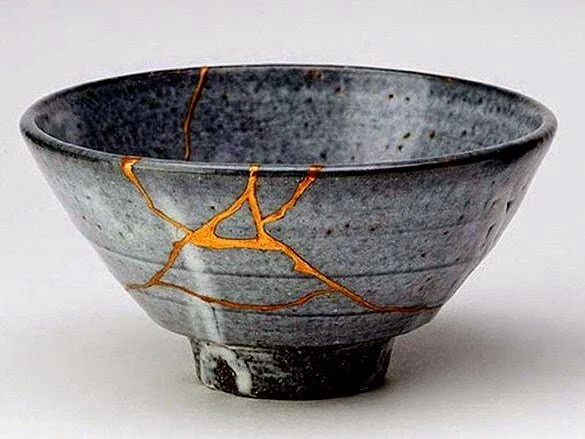
I love the way the Japanese refer to perfection. Kintsugi is the Japanese art of putting broken pottery pieces back together with gold — built on the idea that in embracing flaws and imperfections, you can create an even stronger, more beautiful piece of art.  Wabi-sabi is a concept I wrote about in the Superwoman Survival Guide and is centered on the acceptance of imperfection. Appreciating beauty that is imperfect, impermanent, and incomplete in nature. 

Imperfection is our true nature and it is beautiful.  When we appear perfect we are less genuine and authentic.  Dame Jenny Shipley once told me ‘the closer you are to perfect the less people will trust you’ and this makes so much sense.

Perfection is imperfect, we’re setting ourselves up to fail. It’s not surprising this is linked to overwhelm and burnout when we hold ourselves to these excessively high standards. Sometimes done is better than perfect yet we’re conditioned to always want to achieve more or better – it’s no wonder we feel like we’re falling short!

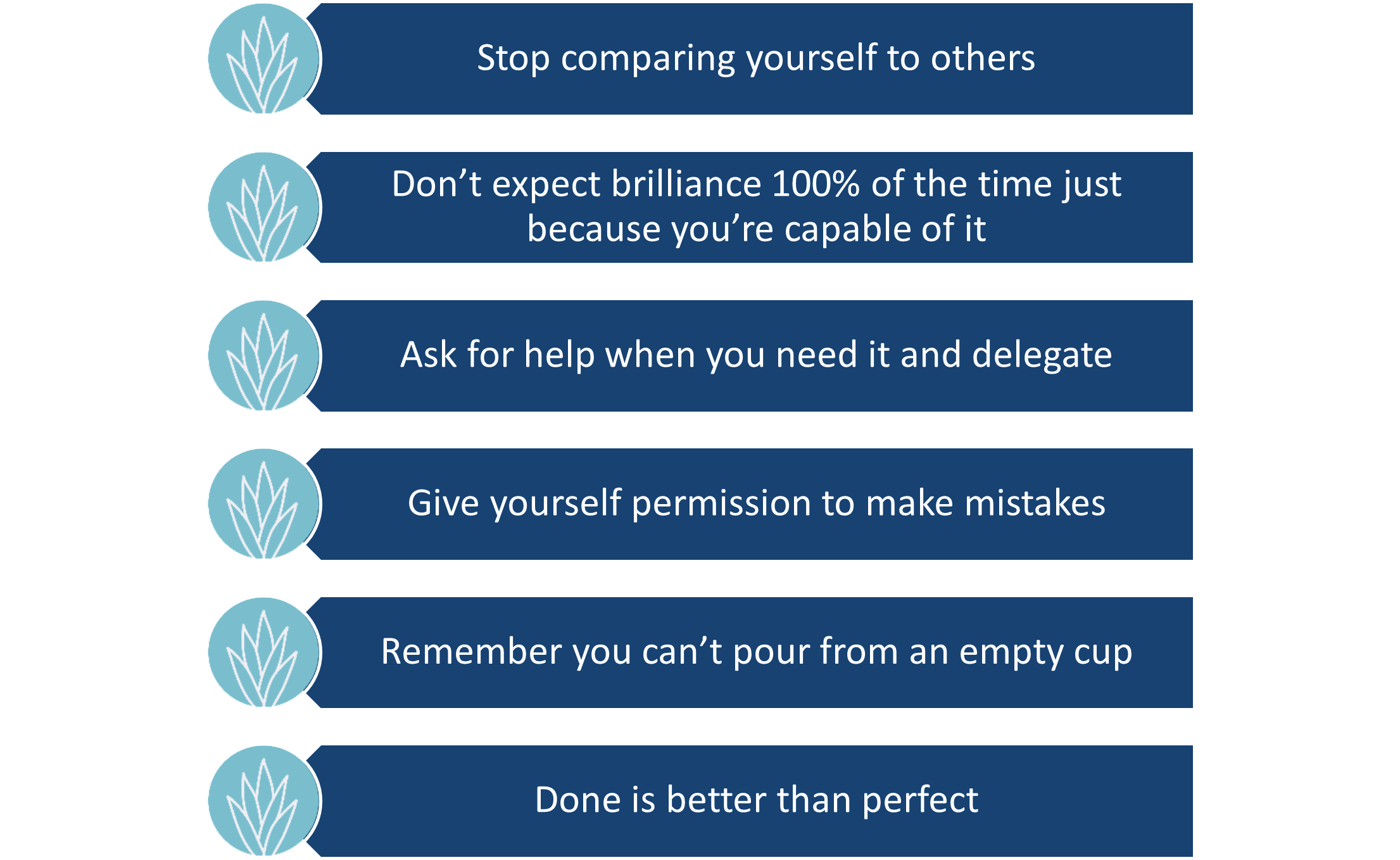
So what can we do about it and how can remind our inner perfectionist to rein itself in?

advice for HA.png

Be careful what you feed!

the-creative-exchange-bmCQEq9Y8XU-unsplash.jpg

The lack of Donald Trump has made the US political news much quieter, this should be a good thing right?  But the media likes a good story, the more controversial the more clicks or sales it gets, so surely that says more about us the audience!  Why is click bait a thing and why do we like to give airtime to things that upset us or disagree with our values.

I was on my linked in profile recently, not usually a place for fake news (that seems to be more a Facebook thing) but I noticed a post from a guy called Brian, not in my followers.  Now clearly Brian was an idiot and some of the 300 comments he’d had were pointing this out, even from people I knew.  I suspect that’s why it had showed up on my feed.  Now sadly Linked in doesn’t know Brain is an idiot, just that he’s getting lots of attention so thinks more people should see what he’s written, this is how algorithms work (I think, but in the interests of transparency I’ve really no idea how they work).

Because this post was getting attention, the platform was sharing it wider.  Now I’m sure there are many brilliant posts Linked in have not shown me because they’ve not attracted the same response as this one, yet would have been far more at home on my feed (and welcome).

I’m not talking about not seeing posts of differing views or that challenge our assumptions, these are a good thing which is why we’re encouraged to follow broad topics and people outside those who are carbon copies of us!  This was discriminatory and offensive but treading carefully between the lines of being reportable and just provoking people.

Well it worked, people were provoked and as a result this guy (and his less than intelligent post) went viral.  I get it, it was irritating and I was tempted to add my two peenies worth in support of some peers who’d pointed out the offensiveness of his post.  But then I thought, no.  I’m not giving you the satisfaction or wasting my time and energy engaging with your post – especially given this seemingly makes it more popular!

So my reflections are pay attention to what you give attention to.  Whilst I believe we should challenge things that are not right, social media puts a whole new slant on this and often we’re fanning the flames and giving oxygen to things that really should just die a death.

It reminds me of the famous Native American proverb about the two wolves arguing in our mind, good and bad.  The question is which wolf wins and the answer, the one you feed (see animation below).

Of course the same is true of our internal news feed too! If we are giving energy and focus to our self-doubt and inner critic it will only get louder and become more powerful, we’re boosting it. Be aware of the contents on your inner newsfeed and give energy where positive impact will follow. The things that have gone well rather than your mistakes, the things you’re good at rather than your flaws, the things you like about yourself rather than the things you don’t - you get the idea!

Use your attention and energy to respond to and feed things that are good and worth celebrating, the more we respond to click bait and provocation not only is it depleting our resources (and dimming our view of the human race) but it’s also giving them airtime and a platform that they really don’t deserve.

How I found my dream job

edan-cohen-XekGUfIvCKY-unsplash.jpg

I’m on the bus at 8am, it’s raining, it’s Monday morning. I look around; darkened faces bury themselves deep in their devices, seeking an escape from the week ahead. Beneath the wet coats, eyes are sunken, mouths downturned – people look glum. I face the window and watch more of the same trudge past as we stop at the lights. A slow, zombie-like procession seems to be emanating from the train station as suits and umbrellas struggle towards their high-rises – not a smile in sight.

I fidget in my too-tight shoes and uncomfortable office attire and think of a million other places I’d rather be. I ask myself the same question I ask every morning on the bus into work. Why are we doing this? Does it have to be this way?

For many years the answers that came back were always yes; I need the money, it’s what everyone else is doing, this is city life. If I want the house, the holidays, the car, then I need this job to pay for it.

They’d come on around 3pm on a Sunday – the blues. I’d start to realise the weekend was nearing a close, even though it felt like it had just started. They tended to last until Friday, but Monday morning was always the hardest part of the week.

Friday morning everyone seems to have more of a spring in their step. We’re dressed in jeans for casual Friday, the week is almost behind us, a less busy day ahead and the weekend in sight.  We wait all week until Friday; we live for the weekend. But work is part of life; they are not separate.

Life doesn’t start when work stops. This is why it’s so important we enjoy our jobs. We spend so much time there it’s bound to impact everything from our mood to our health and ultimately our happiness. We can’t just wait for the weekend to live (and then only enjoy it until the Sunday-night blues kick in) or wait until retirement to live a life we dream of, free from a job we simply don’t enjoy.

For years we’ve been conditioned to think we have to work for someone else and have to earn more money to have a good life, gain more titles and status to be successful and valued. This is at odds with what the research is showing makes us happy – more time, family, love and making a difference in the world.

The bottom line is if we can find something that utilises our skill set, challenges us to learn and grow, aligns to our values and gives us a sense of purpose, we’ve cracked it. It won’t feel like work, but we will get paid for it.

I remember a career counsellor at school asking me if I’d ‘like to work in an office like my mum’ but it was more of a suggestion than a question. I suspect she had a list of girls’ jobs and boys’ jobs in front of her too.

We’re not taught this stuff at school, and society models a version of career success that revolves around status, titles and salary, not passion, purpose and happiness.

If I was going to do a job aligned to my strengths and passions, then I was probably going to become a professional soccer player, but as a girl in rural England, I was about 20 years too early!   In fact, many of my passion jobs weren’t an option. There was a distinct line between work and passion, earning money and having fun, making a living and making a life.

So I worked my way through HR offices, industries and countries and gained experience and skills as I went, each time gaining promotions and more money. This was the prescribed ladder for career success.

There were bits of it I enjoyed, I guess, when I look back, but I found myself drifting to new jobs every two years or so because I got bored. The prospect of a change always filled me with the hope ‘this time it’ll be different’.

My dream job was always just around the corner, but the trouble was I was following the same recipe and expecting it to make me happier than it had done before.  Each time I resigned I’d think, I’m going to try something new this time, I don’t think this is for me. But what else could I do? This was all I knew, this was what I’d trained for, and it was a ‘good’ job. So I’d fall back into the same roles, the same unhappiness and lack of fulfilment.

After all, it was my job, it wasn’t supposed to make me happy, that was what I did after 5.30pm. Its purpose was to earn me money so I could enjoy life and set up a good pension so I could retire at some very distant point in the future. It did earn me money, and it seemed to be the recipe everyone else was following, so who was I to question if we’d got it wrong?

I do remember doing a career survey at a careers day once. It was on a computer the size of my house, back in the days before we knew about algorithms, and I’m not sure what I did, but the answer was not what anyone was expecting. I answered the questions as Mum stood behind me, hoping it would spit out lawyer, doctor or similar. The lady in charge of this giant computer tentatively passed us the printout. Top choice, number one career option, based on my answers … fence erector.

Now, I’m not sure what algorithm was being used, but knowing my lack of passion for DIY and the lack of skills I have around anything in the garden, I’d say this was not terribly accurate. What courses would I take at A levels for this, and how would I get myself a job? Mum looked a little disappointed. I was mostly confused. I never went on to erect fences.

So how did I eventually join the dots and find a job I loved which also paid my bills? It was a long journey, and it started with the end. The end of my HR career and days in the corporate world.

One year prior I’d taken a promotion, and a year later, still unhappy in my work, was when I burned out. The impact on my health forced me to choose, and it was at that point I realised there was more to work than money and more money was not always better. So I quit, but this time, instead of saying, ‘I think I want to do something different,’ for the tenth time and then going straight back into what I knew, I was determined something had to change.

We often praise people for having a job, getting a job or progressing in their career. We don’t often praise them for quitting, especially if they’re not sure what they’re going to do next.

It’s a brave step to take, and often we’re not encouraged to be this brave. I remember a friend at the time telling me, as I walked away from my corporate career with the biggest organisation in the country, ‘You’ll never get another job like that, you know.’

Well, that was the point. I didn’t want another job like that.

Find out more about my story finding work I loved and that of many others in my new book I Love Mondays out now.

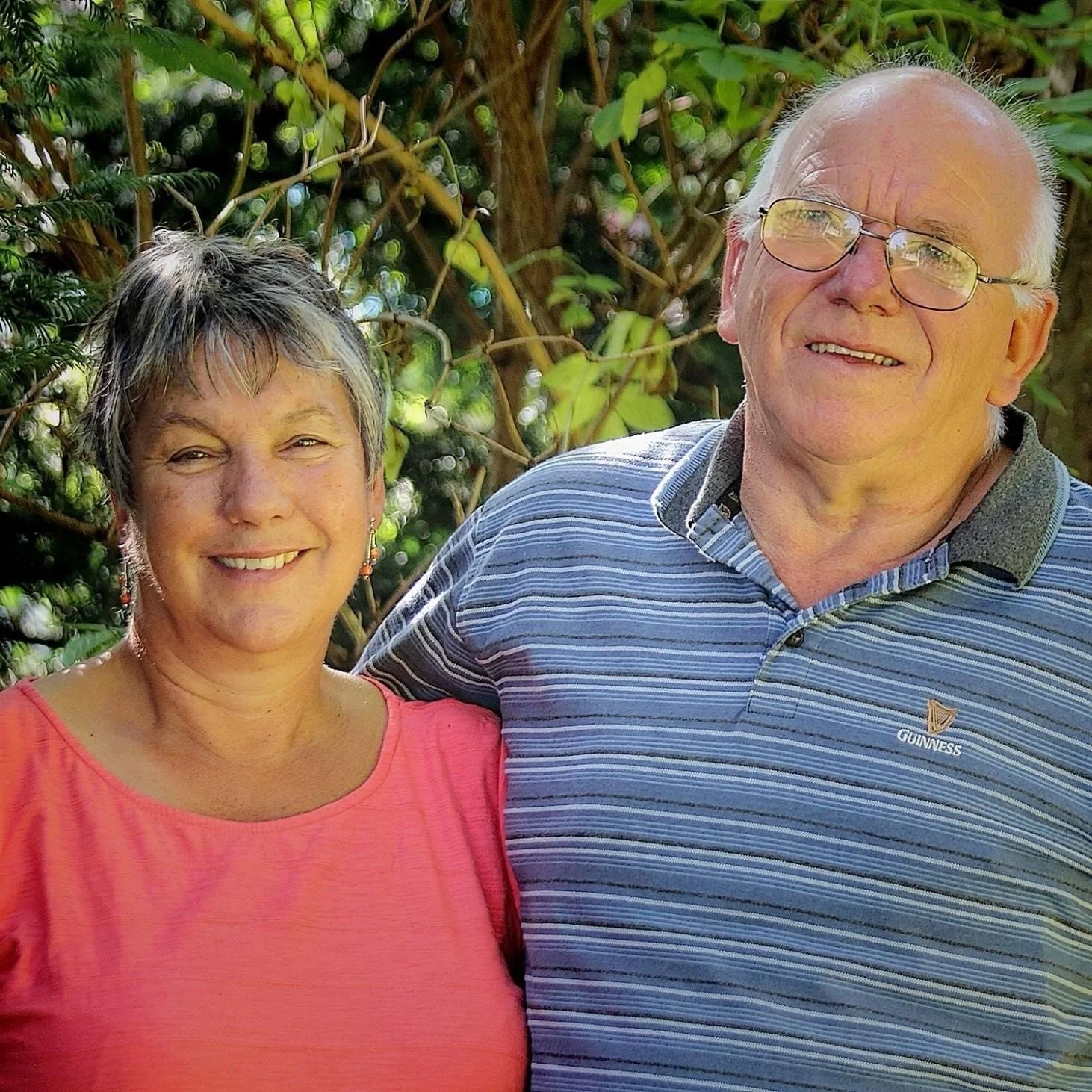
For Mum and Dad

Mum and Dad.jpg

Since writing books I’ve referred to family and childhood experiences that have shocked my parents or disappointed them.  “I didn’t know you felt like that” they’ll say or “that’s not what we meant” I know it comes from a place of love and I also know that they always did the best they could with what they had.  It also turned out to be more than enough.  So this is for them and the flip side of some of the interpretations they may have weathered when I’ve shared my stories over the years.

The problem with being an author is that your inner thoughts become public property and so does your personal story or the way you perceived past events.  There’s also the impact of artistic license that I appreciate can cut pretty deep!

Mum and Dad didn’t have much but they always made sure I had what I needed.  Shelter, safety and love was there in abundance.  I have fond memories that didn’t revolve around material gifts but the real stuff, the things that mattered and as a result I never felt like I was missing out.

On the eve of their birthdays this is a blog for them and all they’ve taught me and what I value most about life.

Gratitude kindness and compassion are values I hold dear today because you instilled them in me.  You set my moral compass in the right direction.  You celebrated all our achievements, big and small, academic and otherwise.

Despite travelling all around the world and living on opposite sides of the globe I know that wherever I am you’re with me.  You allowed me to leave so I could come back better.

Not everyone has faired so well with their upbringing and this makes me grateful to draw on those solid foundations you built and grow into the person I am today.  I never appreciated all the hard work you did behind the scenes making ends meet and building a life for us as kids.

You taught us how to weather the storms, to be kind to others, to believe in something bigger than yourself and that tomorrow is always another day.

Every decision was made with our best interests at heart, even the ones we disagreed on.  You always let me find my own way, even when you thought I was heading in the wrong direction.  Most of the time I worked it out because of the way you’d brought me up and the unconditional love and support you offered along the way.

You passed the biggest challenge with flying colours when I came out.  Knowing this may be at odds with a history of beliefs at the core of your Christianity and societal norms that surround you, your love for me won out and for that I am forever grateful.

As a teenager parents are always uncool and because as teenagers we think we know everything we devalue all the things they’ve taught us.  I remember often thinking, I’ll never be like my parents!  Now I’m in my late thirties and each day I feel like I’m turning into my parents.  Sometimes I open my mouth and my mother comes out!  It makes me smile and I’m proud of it these days, having gained the wisdom and experience of life I thought I was too cool for as a teenager – and maybe some more humility along the way!  Again that’s down to Mum and Dad so if I do turn out like them as I age I won’t be disappointed.  They are my role models and have made me what I am today.

I get all the praise, they did a lot of the hard work.  I am special because you thought I was.  You should be proud of what you’ve achieved and I’m grateful to call you my parents.

I never cashed my first royalty cheque

micheile-henderson-ZVprbBmT8QA-unsplash.jpg

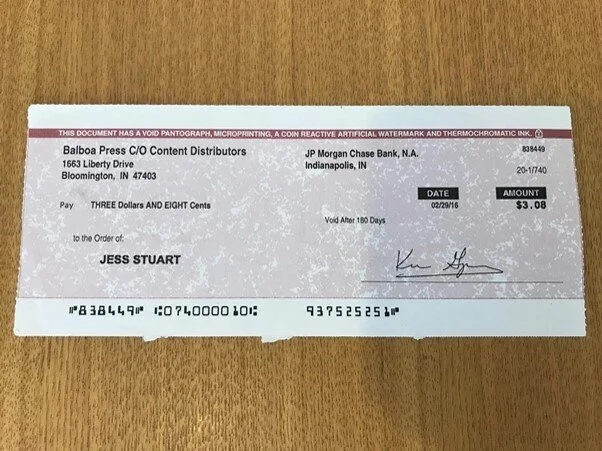
This is my first royalty cheque.  I kept it because it cost more to cash than it was worth.  It’s less than $5US.  My first book was a flop but did this mean I was a flop as an author?  Well four books later it turns out it was just that I had a lot to learn.  The last four years have been a big learning curve and as I reflect on the success of book four I’m grateful to have been able to put all those lessons into practice.

So often we see failure as the end of the road, proof we’re not good enough so we stop trying.  In reality we’re never going to be good at something we’ve never done when we try it for the first time, unless it’s a lucky fluke!  We have to learn, to practice and often a long that route we’ll fail.  That’s often how we learn our biggest lessons so why do we see it as a negative and proof we’re not good enough.

cheque.jpg

We fear failure and so often see it as a negative yet in reality it’s how we learn.  It’s often a stepping stone to success and therefore a positive we should embrace on our journey of growth and development.  Some organisations are now encouraging more risk taking and being open to failing because they’ve figured out it’s how we become more innovative and explore ideas and push the boundaries of what’s possible – if we’re not fearing failure but rather learning from mistakes to continuously improve.

It’s an approach I’m a massive fan of and have seen work for myself and my own business.  But it’s a work in progress too.  It’s not like flicking a switch and requires us to undo years of conditioning encouraging us to avoid failure and that it’s a negative, proof we’re not good enough.

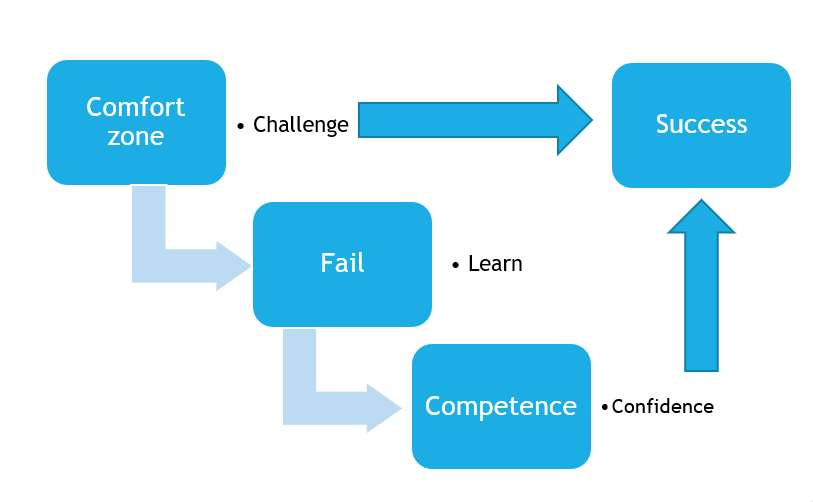
It’s something I refer to as the competence confidence loop.  When we try something new for the first time and get out of our comfort zone, like a new job or challenge it’s where we can fear failure the most.  But as time goes on and we learn and grow in the role and overcome the challenge the feeling lessens.  It’s normal to feel uncomfortable when we get out of our comfort zone, to worry about failing or not being as good as people think.  But when we try and succeed we collect evidence of our competence and this in turn boosts our confidence.   This of course may include some rerouting around our mistakes along the way as we learn to succeed!

When we get out of our comfort zone one of two things will happen.  Either we’ll succeed (and enter that competence confidence loop) or we’ll fail – and learn something that helps us succeed next time around (with the same impact on our competence confidence loop).  Too often we think that failure is a negative, that it’s proof our imposter syndrome is right but it’s often part of the competence confidence loop, the longer way around to the same destination. 

I teach more about relating to fear and failure and the confidence competence loop in my workshops which are available for your business or team now.  Or why not book yourself into this years public one day workshop in Wellington on 25 May.

Why Imposter Syndrome might be responsible for your burnout

ben-white-146950-unsplash.jpg

Imposter Syndrome, or Imposter Experience as I prefer to call it is a field I’ve worked in for many years now, leading to the tag Imposter Expert.  I’m still blown away by the number of successful, high performing people who admit to sharing these feelings of self doubt that they rarely share with others.  Worried it’s a sign of weakness that further evidences this feeling of not being good enough.  In fact many people on my workshops will confess when they share with colleagues they’re doing this training they get the response “really, you get that?  I never would have thought, you’re so confident and good at what you do”.  It’s a familiar issue and here’s why.

Imposter Experience is the domain of high achievers so the reality (and what others see) is we perform well at what we do.  However, privately on the inside we doubt this.  We doubt our abilities, we worry we’re going to get found out and feel like we’re faking it till we make it.  It’s why we worry one day we’ll get found out and often assume that people have got it wrong.  We tell ourselves our success is not real, it’s actually down to my amazing team, luck or some kind of mistake.  Or we justify it by saying, I just work harder than everyone else and here in lies the problem.  This last bit is probably true!  If we’re desperate not to get ‘found out’ of course we’ll work twice as hard as we need to, to try and prove ourselves and prove the imposter wrong.

It’s these feelings of self-doubt that push us to work twice as hard to not get ‘found out’.  This combined with the fact we’re high achievers normally means we’ll be invited to more meetings, asked to sit on more projects and be given more work because of our capability.  Yet the inner imposter will tell us, you must prove you can do this and get it perfect, you must also not ask for help – people will think you can’t cope or you’re not as good as they thought!

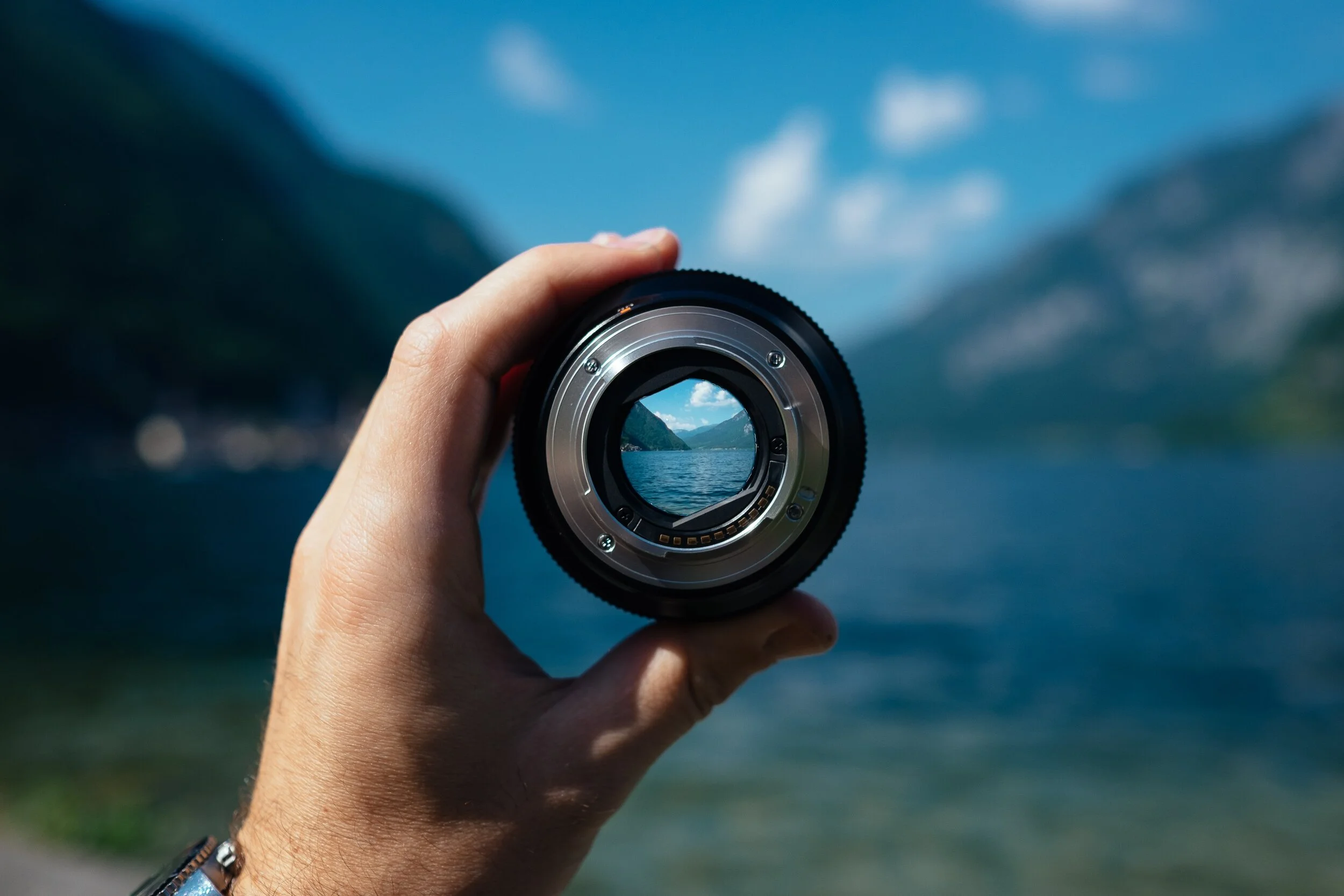
Can you see how these beliefs shape our path towards burnout?  I often talk about our imposter experience being a lens that we look through, a lens that is clouded by self-doubt and obscures reality.  It’s also what drives us to overwork, try twice as hard, aim for perfection, not say no or be reluctant to delegate or ask for support.  Sadly this is a perfect recipe for burnout and one I believe is driven by our beliefs that stem from our Imposter Experience and this fear of not being good enough that keeps us pushing. 

It’s the reason why burnout is so prevalent in high achievers and given 70% of us suffer from imposter experience (according to the international journal of behavioural science) that’s a lot of us.  The irony of course is that we don’t need to prove ourselves to anyone other than our own inner critic.  Often the only person doubting us is ourselves!

It’s why I’m so passionate about teaching people the tools required to remove this lens of self-doubt, the over come imposter syndrome and recognise our achievements and capability.  When we silence this imposter experience and our inner critic we also find we’re less likely to burnout, less stressed and anxious and can perform at our peak.  If this resonates with you and you’d like to learn tools to overcome your imposter experience and prevent burnout, come along to one of our forthcoming workshops or events.

The 5 categories of Imposter - which are you?

you-x-ventures-6awfTPLGaCE-unsplash.jpg

According to the International Journal of Behavioral Science 70% of us think we’re not as good as others believe we are, it’s called Imposter Syndrome.  Imposter syndrome is a concept describing high-achieving individuals who are marked by an inability to internalize their accomplishments and a persistent fear of being exposed as a “fraud.” It’s that voice of self-doubt that, despite our successes, keeps us feeling like we might fail, we might not be good enough, and we might get found out.

Those with imposter syndrome have a tendency to attribute their success to external factors—like luck, or the work of the team. It takes courage to take on challenges and pursue dreams that leave you open to the risk of failure, falling short, losing face, and being “found out.”

It can feel like we’re the only ones experiencing this as it’s not much talked about, particularly in the workplace, we therefore assume it’s a character flaw in us and a weakness we must overcome – further evidencing these feelings of Imposterism.

However, we’re not alone, many people experience Imposter syndrome, especially high achievers and even those we look up to and aspire to be.  Whilst it’s more prevalent in women there are plenty of men who admit to experiencing this too.

It can come from many places, particularly our culture and upbringing.  Think Tall Poppy in NZ and the impact this has on us claiming our successes or talking about the things we’re good at. 

It can lead to us playing it safe to avoid failure and having to work twice as hard to prove ourselves wrong and not get ‘found out’.  Perfectionism can often be driven from a place of Imposterism and it can impact our brand and credibility if we’re constantly downplaying our achievements and not owning our successes.

In fact perfectionism is one of the most common categories within Imposter Syndrome I come across in the women I work with and it makes sense that if we fear being found out we’re going to want to perform at the other end of the extreme to prove ourselves but it also leads to overwhelm and burnout and ultimately sets us up to fail because perfect isn’t always achievable.

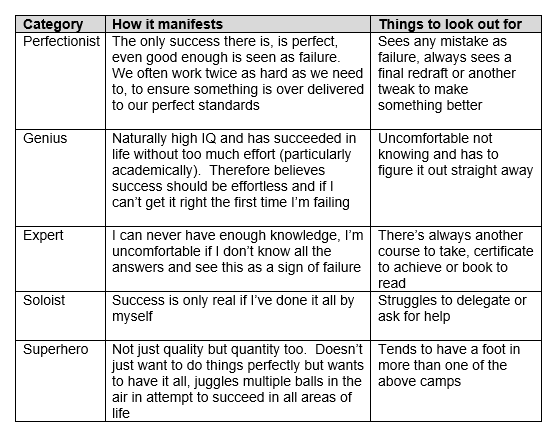
There are other categories that exist within Imposter syndrome and often this can come with perfectionism or manifest as a category on its own.  Imposter Syndrome is not a one size fits all so check below and see which category you most relate to:

Imposter Syndrome Competencies (From Dr Valerie Young, The Secret Thoughts of Successful Women)

table.PNG

It’s why Imposterism can be linked to overwork – needing to prove ourselves and not wanting to delegate.  Setting ourselves up to fail in the form of wanting everything to be perfect and holding ourselves to excessively high standards and self sabotage by playing it safe or pulling out before we get found out.

Sadly, it’s not something we can easily overcome—but we can learn to navigate it and succeed anyway.

We are all capable of more than we know, and we can do amazing things if we’re not busy doubting our abilities. Next time that negative voice in your head starts to speak, turn down the volume.

What matters most is not whether we fear failing, looking foolish, or not being enough; it’s whether we give those fears the power to keep us from taking the actions needed to achieve our goals.

Find out more and get your place on this special one day workshop designed to help you tame the inner critic and build confidence and resilience.  Book now to explore which category you fit in and how to overcome these feelings of self doubt.

Chasing Rainbows: the power of authenticity

teddy-osterblom-owiVf9bFKHM-unsplash.jpg

Every time we celebrate pride I’m encouraged to reflect on my own journey and the fortune I have to be around supportive people and in a (generally) tolerant country.  But long after I came out I still felt uncomfortable talking about it publicly or referring to myself as gay and it isn’t always safe.  After seeing so many rainbows around of late I felt proud and inclined to write about my journey to this point.

You see, sometimes it’s hard to be proud of who you are when society has been asking you to be something different all your life.  Even the inadvertent family ads featuring a husband and wife, and the assumptions of ‘he’ when you talk about your partner – it doesn’t have to be explicit to be continuously reinforced.

I’d always wanted to please people, I wanted to make my parents proud and achieve the approval of anyone and everyone; my family, friends, partners, bosses, teachers.  I would change myself and my desires and sometimes even my opinions to fit into whatever mould was required at the time. 

I spent years following the norms, trying to fit in and trying to be who I thought I should, trying to fit the mould.  Dating men and wondering why it didn’t work, settling down with a male partner and wondering why I was unhappy.

Interviewers often ask me “what was it like living a lie when you knew deep down that you were gay?”  It wasn’t that I was consciously living a lie but had something buried so deep within I wasn’t even aware it existed.  It wasn’t a case of choosing not to share it because I didn’t know there was a choice or, for many years, that I had something to share.

For many years it was buried so deep it didn’t even exist, I was so unaware, but I still couldn’t figure out why relationships with men didn’t work.  But even as I started to gain some self-awareness and begin to put the pieces together of who I was and what I wanted feeling this and actually accepting it were two completely different things.

I’m from a small rural, conservative English town.  There weren’t many gays at school and those who were got bullied.  My family are from a traditional Christian background where homosexuality was not acceptable and women were expected to grow up, marry men and have a family.  I was so worried that, not only would my family be disappointed but, they would love me less.  I was worried that my colleagues may treat me differently, my friends would disown me and that those around me would disapprove.  I struggled to come to terms with who I was as it didn’t fit the version I’d been sold of who I should be. 

It was tough, one of the toughest things I’ve done (that’s why it took me 10 years) but in hindsight not a tough as living a lie would have been for another 10 years.  Once I knew of course I had to do something about it, I had to be true to my authenticity now I’d discovered it - but that’s easier said than done!

The ironic thing of course is that no-one did really mind and some weren’t even surprised.  Apparently the only person I’d been keeping it a secret from was myself!  When I look back now and wonder why it took me so long I can see it was fear of judgement, disappointing people, feeling like an outcast.  All these things keep me hanging out in the closest hoping it would go away and I’d be ‘normal’ until it becomes unbearable enough that I had to break out only to find that no-one really minds, in fact they all kind of knew already.  It’s taught me that everyone’s scared of something, we all have to face fears and build our courage what ever it is we’re facing.

I feel comfortable in my own skin, I’m no longer living a lie.  I know who I am and can share this with those I care about at last.  I no longer feel the need to accommodate others and have realised the people who love you will accept you just the way you are.  I love myself and know that people love me, for who I am not who I’m pretending to be.

If we do not live a life true to ourselves and feel as though we have meaning and purpose we’ll never be happy.  In fact the suppression will lead to an unhappiness that can impact on our health.  Stuck between a rock and a hard place, suppression of our true self is damaging but it’s just as hard sometimes to allow it to shine through.  Especially if it’s different to the expectations society has placed on you.

I remember reading Brene Brown’s Gifts of Imperfection before I came out and this excerpt really stood out.  “I think we should be born with a warning label similar to the ones that come on cigarette packages: Caution: If you trade in your authenticity for safety, you may experience the following: anxiety, depression, eating disorders, addiction, rage, blame, resentment, and inexplicable grief.”

These days I’m lucky to have a partner and friends who make me feel like I fit in the world just as everyone else does and that I can be accepted just as I am, but most importantly I feel like i fit in my own skin at last.  I’m also fortunate to live in a place like Wellington where people rarely bat an eyelid when I refer to my partner using the pronoun ‘she’.  This is how it should be yet I’m aware so often isn’t.

I know there are others who have a very different experience of this and still live in places where the acceptance and freedom is a distant dream and the discrimination and sometimes risk of life a daily reality.  I know we’ve not all had smooth journeys towards coming out and that hate and violence still exists in all corners of the world, so I consider myself very lucky and my heart goes out to those who are not as fortunate.

Why is Imposter Syndrome prevalent in women and 5 ways to overcome it

linkedin-sales-navigator-IjkIOe-2fF4-unsplash.jpg

According to the International Journal of Behavioral Science 70% of us think we’re not as good as others believe we are, it’s called Imposter Syndrome. It’s exacerbated by our fear of failure, trying to please everyone around us, striving for perfection but worried we’re falling short all rolled into one! It’s particularly prevalent in women and high achievers and is often the underlying reason we’re driven to over achieve – to ensure we’re not found out and to prove to ourselves we’re capable!

Imposter syndrome is a concept describing high-achieving individuals who are marked by an inability to internalize their accomplishments and a persistent fear of being exposed as a “fraud.” It’s that voice of self-doubt that, despite our successes, keeps us feeling like we might fail, we might not be good enough, and we might get found out.

Those with imposter syndrome have a tendency to attribute their success to external factors—like luck, or the work of the team. It takes courage to take on challenges and pursue dreams that leave you open to the risk of failure, falling short, losing face, and being “found out.”

Research has found this to be particularly prevalent in minority groups.  For women, especially in business or around leadership tables it makes sense that we may feel like an imposter in an environment for centuries we were told we didn’t belong in.  Our heritage and cultural norms around this evolution of our place in the workforce (particularly in authority) means we’ve have this societal hangover and need to prove our worth, earn our seat and show hundreds of years of gender inequality that we are not indeed frauds and more capable than we’ve been lead to believe.

So yes men do suffer from imposter syndrome but when we look at any minority or under represented group of course we’re going to again be at a disadvantage in this space given we’ve been made to feel like actual imposters in positions of power and have centuries to undo in terms of proving ourselves.

Makes sense right?  But regardless of what contributes to us feeling this way, what do we do about it?

It’s not something that we overcome rather we navigate it as it appears in our life.  It may always be there but have varying degrees of impact on us given how loud we turn the volume up.  It can be different at various times of our life or different areas of our life.  For some it surfaces at work, for others it’s in relationships.  It can be dormant for years and rear its head when we start a new job, get a promotion or return to the workforce after having children.  Check below and see if this sounds familiar?

o   I find it hard to accept praise

o   I tend to focus on the things I’m not good at rather than my strengths

o   I think people over rate me and worry one day they’ll find out I’m not as good as they think I am

o   I often succeed despite being convinced I’ll fail before I begin.

o   I think those around me are better

o   I hate asking for feedback on my performance

Generally the more of those that apply, the more likely Imposter Syndrome is to be at play and therefore impacting you.  It’s not uncommon for people to experience more than one of the above statements during bouts of imposter syndrome.

It can feel like we’re the only ones experiencing this as it’s not much talked about, particularly in the workplace, we therefore assume it’s a character flaw in us and a weakness we must overcome – further evidencing these feelings of Imposterism.

However, we’re not alone, many people experience Imposter syndrome, especially high achievers and even those we look up to and aspire to be. 

It can lead to us playing it safe to avoid failure and having to work twice as hard to prove ourselves wrong and not get ‘found out’.  Perfectionism can often be driven from a place of Imposterism and it can impact our brand and credibility if we’re constantly downplaying our achievements and not owning our successes.

Sadly, it’s not something we can easily overcome—but we can learn to navigate it and succeed anyway. Here’s how:

1. Own your successes.

We tend to be modest when it comes to our achievements, and have been brought up not to boast about our strengths. We feel uncomfortable accepting praise and our negativity bias in our brain means we’re wired not to think of the positives so much.

The most important thing to remember is that if we’re getting praise or positive feedback, it’s because we’ve earned it and deserve it. Own it and let it help counter some of those moments of self-doubt.

2. Give it your all and know it’s enough.

Sometimes our imposter syndrome is due to our fear of failure and our perfectionism manifesting all at once to give us this fear of not being good enough. We fail to meet our own unrealistic ideals of perfection—either in the way we look, our abilities in life, or our achievements at work. Perfectionism so often sets us up to fail and feeds these feelings of self-doubt.

Overcoming imposter syndrome requires self-acceptance: you don’t have to attain perfection to be worthy of the success you’ve achieved. It’s not about lowering the bar, it’s about resetting it to a realistic level. You don’t have to be Einstein to be a valuable asset. Nor do you have to attain perfection to share something with the world.

3. Don’t let your doubt and fear stop you.

We need to continue to take risks and challenges even though we might not think we’re ready. Too often, we stand back and let the opportunities pass us by because we doubt our abilities. The best way to see if you’re ready is to dive in and take on the challenge!

There will always be a feeling of fear and the risk of failure—we grow and develop by facing these fears and getting outside of our comfort zone. Don’t let your worries hold you back.

One of the ways we can navigate these feelings is by proving we’re capable, this capability brings with it confidence and less power in self-doubt, increasing our comfort zone and our confidence by proving we have the competence and capability.

4. Remember: your thoughts are not common knowledge.

I know how it feels to be gripped by imposter syndrome—we spend all our energy trying to prove our worth to everyone else to make it go away. The funny thing is, only we believe that we’re not capable. For example, we wouldn’t have been offered the job if people didn’t think we were capable. Often the only person we need to prove anything to is ourselves.

5. Acknowledge it and know it’s not just you.

We need to be mindful that the voice in our head is often swayed. We are wired to see the glass as half empty, to focus on the negative. This comes from evolutionary times when it was helpful for us to scan the horizon for the worst that could happen in order to survive.

What this can translate to in our modern world is a constant focus on what we’re not good at, things that went wrong, and why we’re not enough—in our jobs, how we look compared to our friends, who we are as a person, or what we’ve achieved in life.

To counter this negativity bias, we need to focus on what we have, not what we haven’t, to direct our energy toward the things we’re good at rather than on what might go wrong and where we might fail.

We are all capable of more than we know, and we can do amazing things if we’re not busy doubting our abilities. Next time that negative voice in your head starts to speak, turn down the volume.

What matters most is not whether we fear failing, looking foolish, or not being enough; it’s whether we give those fears the power to keep us from taking the actions needed to achieve our goals.

Join my live 4 week online course and work with me to overcome your imposter syndrome and learn more practical tools and strategies to build your confidence

Owning your superpowers in a tall poppy culture

9.png

Because we’re good at something, we tend to think everyone else must be good at it too – so we don’t value it, we don’t think it’s anything special. It’s why we struggle to answer the question ‘What are your strengths?’.

If it’s effortless and easy (as strengths generally are), we don’t think it’s worthy of a mention. This combined with our concerns about boasting, not being modest or being seen as a tall poppy is a perfect storm for undervaluing our strengths.

We’re very good at focusing on our weaknesses; it’s why our strengths don’t come to mind so easily – we don’t think about them, we’re not aware of them and then we feel guilty/immodest for having them.

We’re also very quick to move on to the next thing in our modern world so don’t spend time reflecting on the positive, what went well, why, what strengths we used. Whether it’s our culture, our imposter syndrome or our negativity bias the result is the same – we don’t know what we’re good at and overlook the very skills that are in fact our super powers.

Culturally we tend to err on the side of modesty to a point of self deprecation and believe that by having strengths we are in some way arrogant or boastful.  We blur the lines between quiet confidence and arrogance.  Humility and Egotism.  Having strengths doesn’t make us conceited, it makes us successful and we can still do this in a modest, unassuming,  unpretentiousness manner.

It’s about owning our super powers but first we need to know what they are and feel comfortable having any – this is what my talk is about and follows the research and training developed following the launch of my third book in Wellington, The Superwoman Survival Guide.

Research has proven focusing on our strengths makes us more successful, but first we have to know what they are. Global performance management company Gallup has surveyed more than 17 million people worldwide and has found if we focus on our strengths, we’ll be six times more likely to be engaged at work, 8% more productive and three times more likely to have an excellent quality of life.

Once we know what our strengths are we can train the brain to notice more of our successes, but we have to own it. This can be the toughest part, because we’ve been taught to be modest, to not boast about our achievements or fear being seen as a tall poppy.

Since the launch of my last 2 books I’ve become known as an Imposter Syndrome expert and teach this topic across communities and businesses in NZ.  Owning our strengths is something that constantly comes up in offsetting our Imposter Syndrome.

Most of us feel uncomfortable accepting praise, and the negativity bias in our brain means we’re wired not to think of the positives so much – this combined with our modest culture and upbringing of course!  We are predisposed to focus on the things we’re not good at rather than the things we are. We also emphasise this by spending a lifetime dwelling on this stuff and searching out evidence to prove ourselves right: we’re not as good as people think, and there are some fatal flaws within us that mean we’re not worthy and probably won’t succeed.

Our brains are predisposed to think more negatively. It’s how we’ve evolved and used to keep us safe. If we’re constantly scanning the horizon for the worst that can happen, we are able to react and prepare for that, which helped us survive back in the days of sabretooth tigers. However, in our modern life, this translates to noticing all the things we don’t like about ourselves, the things we’ve not got yet and what’s not gone well for us at work.

If I ask you to think of one negative thing that’s happened this week, it’ll probably come quite easy. Something that didn’t go well, someone who upset you? You’ll have probably been thinking about it for days since it happened and ruminating on it at night. Now, if I ask you the same question about something positive, it’s harder to recall; even if the positives outweigh the negatives for you this week, it’s the negatives we remember and reflect on.

Life has evolved at an amazing pace, and we’ve not caught up. Dr Barbara Fredrickson did a research study on positivity ratios and found to offset this bias that exists in the brain, we need a ratio of 3:1. That’s three positive thoughts, emotions or experiences to every one negative.

There’s a lot of work to be done in this space, as our negativity bias is like a well-worn walking track; we use it often so it’s smooth and easy to navigate. To even this out, we need to start firing more of the positive neural pathways and breaking down a less-travelled path in the brain, an overgrown track – you know those huts you find up in the mountains that have only been slept in once this year and are covered in moss?  It’s like that and the chances are the track is more difficult to navigate, overgrown and steep.

So how can we counter this negativity bias and help train our brains to be a more positive place to be.  It takes time, like training a muscle. We don’t go into the gym and pick up the heaviest weight, and this is similar. It’s not an overnight thing; we start small and build up – it takes practice.

The more we fire those positive neural pathways the more we’ll even out the bias and a more even positive distribution of thoughts will become our default state.  It’s not that life changes but the lens we view it with does.  We start to see the positives as well as the negatives.

It comes up often in my Imposter Syndrome courses.  If we’re asking ourselves if we’re as good as people think or course a negative brain will only see evidence of why this is not true – further evidencing these feelings of not being good enough.  However if we even out this bias to be a better reflection of reality that next time we ask ourselves that question we’ll see the answers have more evidence stacked in the positive corner to evidence what people are telling us – we are as good as they think!

One of the tools I love using for this (and still use today) is keeping a success diary.

This is my favorite strategy and started because I had a poor memory and wanted to prepare better for my annual performance reviews. By writing down the successes throughout the year, I got a lift each time I reflected on them. It provided evidence to offset my negativity bias and a place I could go to each time I doubted myself. These days, it’s an icon on my desktop because I’ve advanced technologically over the years, but choose what works for you.  An inbox folder, a desktop icon and old fashion pen and paper journal or even a corkboard in your office with achievements and feedback from customers/clients attached.

Every time we add to this we’re walking down those overgrown tramping tracks and helping our brain retrain to see more of the positive.  The negative will still be there sure but the voice won’t be as loud because we’ve been able to see a more even distribution of reality that includes some positives too.

It was Jackie Clark of family violence charity The Aunties I first heard use this phrase, and it sums it up beautifully: ‘Own your shit, own your shine.’ This is what standing in your power is all about.

Yes, we all make mistakes, have weaknesses and may have done things in our past differently if we got the chance, but rather than beating yourself up about these regrets, own them and know they help shape who you are today.

The next time someone is giving you praise or recognition, know you’ve earned it – we don’t give that stuff out for free. Own it! If all you can say is thank you because anything more feels like boasting, then start there. And know that owning your shine is not being immodest; it’s standing in your power and owning your super powers, and it inspires others. It also makes you more shiny.

What lens are you looking through?

paul-skorupskas-7KLa-xLbSXA-unsplash.jpg

I recently had a day where everything felt wrong and everyone felt annoying.  It was a day before my period so hardly surprising.  I’ve suffered from PMS since I was a teenager and I’m aware these moods are a lens I look through at this time of the month rather than reality.  These people are not as irritating any other time of the month.  In fact just 2 weeks prior my wife told me she was finding me irritating (a day before her period).  I realised it was probably not the right time to point out that I might not be anymore irritating today as any other day it was just the lens she was viewing me through!  It’s the same reason we talk about optimists looking through rose tinted glasses or why skinny people see an overweight person in the mirror when they’re looking through the lens of an eating disorder.  What we see of reality will be skewed by the lens we look through and what it’s clouded by.

When I talk about our brains negativity bias and Imposter Syndrome it’s a similar principle.  Our feelings of not being good enough are simply the lens we look through.  The reality is that we’re performing well and we’re the only ones worried about getting ‘found out’.  If we clear this lens that’s clouded with a negative bias we see this reality rather than what our Imposter glaze on that lens will have us fear.

Our negativity bias means we’re wired to see the worst in ourselves and when we look through this lens of course what follows is self-doubt, lack of confidence, fear of being found out and a comparison to others that leaves us falling short.  Sound familiar?

What would it be like to clear this lens, to lift the cloud of our inner critic from our vision and see the reality of who we really are?  That’s exactly what we do in my Imposter Syndrome work and coaching programmes.  With strategies and practical exercises to help you lift this lens and clear your inner critic out of the way of reality to allow you to realise your potential.

It’s a stressful place to be otherwise as it leads to stress, eroding confidence, not feeling enough and always trying to prove ourselves.  It doesn’t have to be this way though.

Get your place on this years 4 week course and see how we can clear the lens we look through an alter our mindset.

How Jacinda Ardern overcame her imposter syndrome

JA.jpg

I really enjoyed watching Jacinda Arderns chat about self-care with Sir John Kirwan especially given that at 4 minutes they touch on Imposter Syndrome.  I love it when celebrities talk openly about this kind of vulnerability because it normalises it for everyone else.  We know Imposter Syndrome is the domain of high achievers but those who experience it still see it as some fatal character flaw and a weakness.  When people as successful as this admit to it, we all get some hope and optimism!

John Kirwan talks about his try in the world cup and thinking when he came off that it was just luck and he was on the verge of being dropped.  Jacinda Ardern has long talked openly about her Imposter Syndrome and in this interview admits to not feeling it as much these days.

Imposter Syndrome is something I’ve spent the last few years writing about, delivering coaching and workshops on and seeing the potential people reach when they learn to overcome it not to mention the reduction in stress when they’re no longer overworking to try and prove themselves.  In fact it’s a workshop I presented to the Office of the Prime Minister a couple of years ago to staff (unfortunately the PM was out of the country).

I take people through strategies to offset Imposter Syndrome but I can also tell you why Jacinda Ardern refers in this clip to ‘it not being as pronounced for me this last year’

It’s something I refer to as the competence confidence loop.  When we try something new for the first time and get out of our comfort zone, like a new job or challenge it’s where we can feel Imposter Syndrome the most.  But as time goes on and we learn and grow in the role and overcome the challenge the feeling lessens.  It’s normal to feel uncomfortable when we get out of our comfort zone, to worry about failing or not being as good as people think.  But when we try and succeed we collect evidence of our competence and this in turn boosts our confidence.  Now in the last year Jacinda Ardern has been re-elected as PM (a great vote of confidence I’d say) and being internationally acclaimed the world over appearing in Vogue, Time magazine and more.  That’s pretty solid evidence of your competence and an evidence portfolio any Imposter would struggle to argue against.  No wonder it’s not as pronounced for her this year!

Now we’re not all going to have Time and Vogue cover stories to boost our confidence, nor are we going to have the success of navigating a global pandemic to point to but the principles are the same.  When we prove ourselves competent we grow in confidence but this only happens by facing the fear in the first place and getting uncomfortable.

When we get out of our comfort zone one of two things will happen.  Either we’ll succeed (and enter that competence confidence loop) or we’ll fail – and learn something that helps us succeed next time around (with the same impact on our competence confidence loop).  Too often we think that failure is a negative, that it’s proof our imposter syndrome is right but it’s often part of the competence confidence loop, the longer way around to the same destination.  A harder path to travel but one that also helps us offset our Imposter Syndrome.  Our PM also talks about mistakes she’s made and lessons she’s learned and it’s often this stuff that allows us to be as successful as we are thus completing the competence confidence loop as well as turning down the volume on our Imposter Syndrome.

I remember feeling like an Imposter, ironically when I was being called the Imposter Syndrome expert in the media. I’d written about it in my book but I’d not delivered too many workshops by then and was still researching more of the data and content so feeling like anything but an expert. I’d worry that interviewers were going to ask me questions I didn’t know the answer to or that I’d get ‘found out’. A year on and a few more workshops, conferences and interviews under my belt and I feel the benefit of the competence, confidence loop and the feeling of being ‘found out’ is replaced by one of confidence.

Find out more on my website and download your free guide to overcoming imposter syndrome.

learn to fail2.PNG

Life lessons from my time with Buddhists

buddhists.jpg

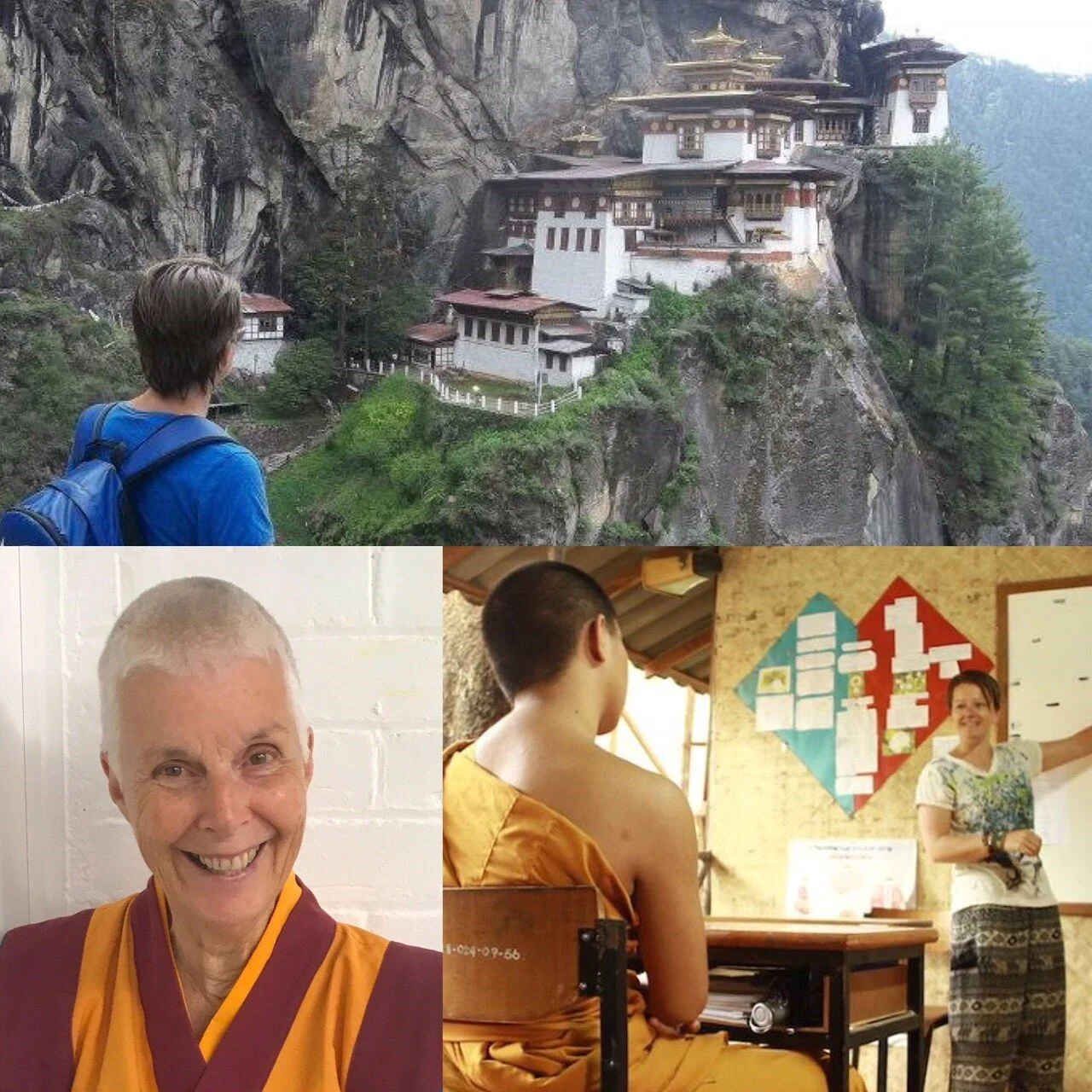
It’s just over a year since the passing of my teacher, friend and Buddhist nun Kelsang Gen Demo.  For a decade she not only taught me how to meditate but many more valuable life lessons.  This was further cemented in my mind whilst spending time in France at Thích Nhất Hạnhs Plum Village, visiting Bhutan, the kingdom famous for gross national happiness in place of GDP and teaching English to Buddhist monks in northern Thailand. 

I’ve never been religious but I am a life long learner and believe we can learn so much from others.  I’m curious and open and I remember Demo telling me on one of my first classes.  Take what works for you and the bits that don’t resonate just leave them to one side.

There’s so much we can learn from ancient traditions that translates into our modern lives and these lessons have been the cornerstone of me living a healthy, happy life so I thought this was a perfect time to share a few.

Equanimity – A calm mind. One of my biggest aha moments came when I learned how important our minds are and how we can train them.  I’d spent many years on diets, gym classes and pursuing physical health goals but I’d never considered to do the same for my mind.  Yet it’s so important.  Everything starts in the mind.  What we think becomes how we feel and that becomes how we act.  If we have an unpeaceful mind we will have an unpeaceful life it’s that simple.  You know when you get out of bed on the wrong side and everything and everyone irritates you – that’s the mind doing that!  If our minds are busy, stressed and tired of course life is going to be harder.  Stilling the mind has been without doubt the biggest change in my life. 

In a world when I was encouraged to multitask, the busier I was the more successful I’d become and sleep was for the weak this is a full 360 in terms of my beliefs!  I used to think that down time was a waste of time and pressed myself to be doing something ’productive’ with every second of the day.  I now know that being productive also means resting, stilling the mind and taking a break.  Pressing pause in our busy days is as important as anything else on our to do list because it makes us more effective, it’s critical in helping us to everything else that’s on that to do list.

So check in on your mind?  How busy is it, are the thoughts positive or negative?  What impact is it having on your life.  A great analogy Demo taught me was imagine a megaphone above your head playing your thoughts out loud as you went about your day – you probably wouldn’t have a job by the end of it, fewer friends and maybe a strained marriage!  Given we know the impact of our thoughts on our mental health we should be more mindful of what thoughts we’re allowing to occupy space in our brain.

Sitting still for 10 minutes a day focusing on my breathing is my number one wellness tool.  It calms my mind, helps me think more clearly, makes me more productive and creative and I’ve become so much more self-aware.  It helps open up space between my thoughts, feelings and reactions.  Do I still have a busy brain, god yes.  Do I still have negative thoughts – of course I’m human.  The difference is that now I notice them and have small pauses to chose to respond rather than react.  My meditation practice helps me calm these thoughts and allow them to pass through rather than becoming attached or carried away by them.

Being able to focus on the breath and watch the mind also helps us be more present and that leads to our next lesson.  Happiness is now!  So often we’re worrying about the past or planning for the future that we are not in the present.  We miss life because our minds are always somewhere else.  The happiest people are those that are present and when we focus on the now it stops us worrying about the future or regretting the past – a source of our anxiety and overwhelm so often.  Happiness is not in some far off place we dream off – when the kids have left home, when I retire or when I win lotto.  It’s now, we just have to learn to be with it.  We wait all week for the weekend, all year for summer and all life for happiness if we’re not careful.

This training of my mind has also allowed me to gain so much Perspective – I’ve learned that its not what happens to us but how we react to it and that we have a choice.  This has been instrumental in changing the way I react to challenges.  So much of what happens we can’t control and this can leave us feeling helpless like victims.  When we focus on what we can control we become empowered and this is where we get to chose.  The analogy Demo used I refer to now as the second arrow.  If you get shot in the arm by an arrow it hurts, you’ve got a problem and it probably wasn’t your fault.  Your reaction though is often like being shot in the arm by a second arrow in the same place, now you’ve got two problems, double the pain.  The difference is you shot that second arrow yourself.  You’ve got in the car to go to work, you’re running late and it won’t start (that’s your first arrow, it’s a problem that’s causing you to suffer).  You can chose to get angry, kick the tyres and complain about being late.  Or you can ring the road side assist and postpone your first meeting or check when the next bus leaves (this is your second arrow and this is where the choice comes in).

Of course sometimes the first arrow is so big and the pain so great there’s not much we can do about it and this is when we come to our next lesson Acceptance

As humans we spend so much time trying to avoid suffering and chase after the good feelings.  We want life to be good all the time and are uncomfortable sitting with sadness and suffering.  It’s why addiction is so prevalent, we attempt to numb the suffering and replace it with a ‘high’ whether that’s from food, drugs, alcohol, shopping or something else. 

We chase after the highs in our life (the perfect job, house, partner) and then when we get it we cling on to it and hope it never leaves.  Likewise when we feel sad we desperately want it to pass and to feel happy again.  Whoever we are there will be a mixture of good and bad in our life.  We all have challenges, the good news is they don’t last.  These feelings we want to avoid don’t last – but nor do the good ones.  Everything comes and goes, this is the nature of life.

“if we have a problem there’s always two options either 1) there’s a solution in which case great, there’s no need to worry about it.  Or 2) there’s not a solution, in which case there’s no point worrying about it.”

This valuable lesson taught me that suffering is inevitable, misery is not.  If we can accept the things we can’t change it allows us to make peace and move on.  Good and bad will always come and go, sit with what is and accept what we can’t change.

This segways nicely to another important lesson Impermanence.  Everything will come and go whether we like it or not.  None of us will live forever, everything we have we can lose.  It’s why attachment in Buddhist teaching is the root of suffering. 

You see one thing we all know for sure is that we will die, there’s no greater certainty, yet we live like we’ll live forever and it’s an utter surprise to us when we lose someone we love, we’re completely unprepared.

Demo likened it to staying in a posh hotel.  We know we’re only there for short time, we make the most of the fine white sheets, the fluffy bath robe and free shampoos.  We enjoy it, appreciate it but we don’t believe we’ll take any of it with us or cry when we leave because we knew right from the start that we’d be checking out.

It doesn’t diminish the pain this kind of suffering causes though and that brings me to my next point.

Suffering is hard, even if we can accept it.  We don’t like to suffer, but it can also be where our biggest lessons come from.  During my time at plum village Thích Nhất Hạnh’s place in France I read his famous book ‘No mud no lotus’  In fact I now have a lotus tattooed on my foot as a result of this very important lesson.  The lotus is a beautiful flower that grows from the mud.  We too grow from our challenges to bloom into the beautiful humans we are.  It’s because of the mud that we become a lotus and without the mud we wouldn’t bloom.  Suffering is part of the human condition and it’s ok not to be ok.  If we get sick or lose someone we love of course we’ll suffer but sitting in the mud is often how we get through those times and over time the lotus starts to bloom.  So often it’s our deepest scars that can lead to our biggest gifts.

Dharma is a Buddhist term for purpose, your gift to the world, your work.  It’s how we serve.  For many of us in the western world work is now all about money and we’ve lost tough with our sense of purpose that we get from the work we do.  It gives us a reason to get out of bed in the morning and that feeling of making a difference in the world.  It’s usually related to helping others too because as Buddhist’s tell us “all the happiness there is in the world arises from wishing others to be happy”  kindness and compassion makes us feel good and have been under rated for too long in our survival of the fitness, me first mentality.  But back to purpose.  This was a big learning for me and resulted in me walking away from my corporate job, six figure income, company car, and ‘successful’ career.  It shifted my thoughts from money and status (that did not bring me joy) to how I could use my skills to make a positive impact around me.  I realised it’s not what you do but why you do it, your gift and how it impacts the world.  This is now my dharma, writing books and delivering talks and coaching to help people be their best and align to their purpose.  Of course this still earns me money and quite frankly it needs to otherwise I’m not able to do this work if I can’t afford my food and bills that power this work.

Simplicity This was a revelation to me as a corporate high flyer always wanting more, buying my way to happiness, hung up on ego and status.  None of this made me happy and yet when I lost it all (voluntarily) I’d never been happier.  It was a feeling of freedom, an opportunity to rediscover what matters.  It taught me to love what I have rather than constantly chase after more.  We tend to think in our modern world that more is better and this pursuit is like a bottomless bucket, a constant craving because of course there’s always more to have/do.  We think that to be happy we have to have things when in fact the opposite is true.  Having less has shown me the path to enjoying more.

The more we have, the harder we have to work to pay for it and the more worry we have over losing it!  Life is more simple these days and I’m much happier as a result.  It’s not about getting what you want but loving what you have and knowing that in the developed world most of us already have everything we need. 

At some point in our lives we are forced to reduce the amount we have, whether it’s financial reasons, divorce, sickness, natural disaster or eventually death. Guess what we won’t take with us when the inevitable happens, everything. Having less stuff does not mean less quality of life and this is clear to me now. It opens more space in our life for the fun stuff, the things that really matter, there’s less to clean, insure and pack each time you move. Spending time living the simple life I realised how little we actually do need and by not having it, how much more room we have for things in our life that really matter. 

What 2020 has taught me

topnine.jpg

It was a year of uncertainty for many and challenge.  Most of our plans this time last year changed dramatically over the course of 2020.  Yet there’ll still be some progress we’ve made and things we’ve achieved, probably more so, given what we all had to overcome in the year of the pandemic.

A good visual record of this is the top nine doing the rounds.  Our photos on our phone capture our moments, look back on yours from 2020 and collect the best.  Ask these questions to help review your year and set yourself up for 2021.

·        What’s gone well?

·        What have I learned?

·        What can I do now that I couldn’t do this time last year?

·        What do I need right now?

·        What’s in my highest good?

·        What do I need to let go of?

As I reflect on the last year these are the lessons I’ve learned:

Resilience is something I talk about a lot and no doubt a muscle we’ve all had to flex this year.  We like to think everything will go well and to plan and yet it rarely does!  Life requires us to be uncomfortable with uncertainty and yet so often it’s the root of our suffering.  We tend to chase after and hold onto the good times not wanting them to end whilst avoiding and numbing out any bad times rather than just accepting what is and the nature of lifes ups and downs - this can often be the biggest lesson in resilience and one I’ve learned this year.

Rest has been something I’ve enjoyed over the last week or so but was also enforced on many of us during lockdown.  We noticed the void that comes with stopping and the uncomfortable moments of being too long with our own thoughts or having too much time on our hands – a novelty we’ve not been used to.  I’m also one for striving and doing and yet I’ve learned that sometimes stopping is starting.  When we stop we solve the problem, find the answer, listen to our gut, remember where we put the car keys, get that great idea.  Whilst we can be so busy trying to do all of the things sometimes the answers we seek arise when we stop doing.

Gratitude is another favourite topic of mine and this year has forced me to be more mindful of looking for the positives.  It’s helped me see that often the small things really are the big things and we’ve always got so much to be grateful for.  It’s often the stuff we take for granted too.  It brings to mind a quote from Ralph Waldo Emerson about the night sky.  He said that if the night sky was a once in one thousand year occurrence we’d all go out and be amazed, religions would be created overnight and the world would stop as we gazed in awe.  But the nights sky stars happens every night so we all just watch TV instead.  It’s true that the things we have everyday we take for granted and almost stop noticing until they’re taken away.  Like our ability to gather, go to cafes with friends, see our family or go to the beach.  Lockdown was a lesson in appreciating all the things we took for granted, do we still appreciate them in the same way six months down the track?

You know I’m big of looking for the silver lining in the clouds and that clouds are an expected part of our life as we navigate the ups and downs and the uncertainty that is a normal part of human life.

Despite cancellations of events I was able to go online (silver lining)

Despite not being with friends and family in UK as they contracted covid-19, so far all have recovered and whilst I wanted to be there I’d have been in lockdown so of little use.  Being so far away might be hard but it also means I get to be in NZ and live freely for most of this year (another silver lining).

Despite not seeing my UK based family this year or having them at my wedding I was still able to get married.  Despite the restricted audience numbers I managed to perform live on the TEDx stage.  Despite launching a book in look down the first shipment of the Superwoman Survival guide sold out.  You get the idea!  There’s a lot to be grateful for and I’m a big believer in focusing on what we have rather than what we may have lost. 

As a nomad I love to travel and have been back to see my UK based family every year without fail since I left a decade ago.  However being confined to NZ has allowed me to travel locally, appreciate my own back yard and get to some places I’ve not been to before.  We really are very lucky that we get to call NZ home.

I hope you’ve had a great summer break and have reflected on your progress and lessons from 2020 to set you up for success in 2021.

ngā mihi o te tau hou

Jess

The self-improvement myth

potential.jpg

“Authenticity is the daily practice of letting go of who we think we’re supposed to be and embracing who we are.” Brene Brown

Whatever you call it; personal development, self-help, self-improvement, it’s a massive business and a billion dollar industry.

Whether we’re focusing on career progression, physical health and appearance, mental resilience or simply being the best we can be in daily life the same point is implied – that we are not already enough as we are, that we need to be different in some way.

I’m a massive fan of personal development and I’m part of the industry I mentioned above but I don’t buy into the self-improvement theory.  I don’t believe we should all feel the pressure to change or be something we’re not and I don’t believe we’re falling short in the way that so many of us feel.

You see I think self-improvement is all about being the best version of you, like a caterpillar turning into a butterfly – it’s always going to happen, it’s its destiny but it takes time, some are quicker than others and some butterflies are more beautiful than others, some have missing bits or imperfections but that’s what makes us unique and it’s about uncovering that beauty not trying to change it or wishing we were something or someone else.

I’m different now to who I was then but underneath it’s all the same – it’s all me.

The difference is I used to be confused about who I was and what I wanted, I was too busy trying to fit the mould to figure out who I was and what I wanted and I lacked the confidence to believe there was another way. I’d never heard of values, I certainly didn’t know I had them inside and authenticity filled me with fear because I desperately wanted to fit in.

I went on a journey of self-discovery, I travelled the world in search of answers, I walked away from a corporate career and rebuilt a life around my dreams. I figured out what my values were and how to live with meaning and purpose and I became more aware of who I was and what I wanted.

This gave me the confidence to start my own business, write a book and leave a relationship of seven years with a man because I was gay.

It’s a slow journey, one that takes time, one in which we learn from our mistakes and our experiences and each day we grow stronger and more beautiful like the butterfly. But it doesn’t stop there, I don’t think there’s ever a day that we’ve made it and all our dreams come true.

We continue to grow, learn and develop whether we’re 21 or 71.

It’s not about changing who we fundamentally are – about improving ourselves or being different but uncovering our true potential, growing into the person we’re capable of being and embracing that greatness that has been there all along buried deep within us – that’s development, that’s being awesome and it’s something we’re born with.

Much of the time we’re worried we should be better than we are or that we’re not as good as someone else. We worry about what others think when they judge us or why we’re not measuring up to others we are judging. We’re all worried about what people think of us yet the irony is no one is thinking half the things about you that you dread, do you know why?  Because they’re all too busy worrying about what other people think of them.

Unfortunately there will always be someone more beautiful, clever, talented or stronger than you. But the reverse is also true: there will always be people less than you in all of these areas.

So instead of comparing yourself to others, look to see if you’re fulfilling your own potential and celebrate the things you already have.

We are inclined to think more negatively, especially where our flaws are concerned and we’re designed to notice this above the positives. We spend more time focusing on our weaknesses than our strengths.

Everyone has weaknesses and no matter how hard we try we’re never likely to be great at this but if we focus on our natural skills and abilities – this is what helps us grown and be successful and the things others admire in us.

We often view our weaknesses as fatal flaws which need addressing yet everyone has them and we all have strengths too. By virtue of being human we’ll have a collection of both.

The trick is to focus on leveraging our strengths and accepting our weaknesses.  There’s a element of vulnerability to admit there are certain things we just can’t excel at (spreadsheets and accounts in my case!) yet that doesn’t make us useless or broken or defect in some way. There are also many things we excel at and strengths we have and embracing both sides of this coin is key to our success.

Being authenticity you, true to all you are and all you believe in is the shortcut to being awesome and it’s an authenticity that develops as we age but exists within us all along, it’s our true heart and soul and when we’re are in touch with this, acting in accordance with this we’ve not need to improve ourselves or feel like we need to be different in anyway.

It’s not an excuse to sit and do nothing and to stay in a place that’s comfortable even when we know we can do better but it’s about being real with ourselves and allowing us to develop in our own time, pushing our limits and facing our fears but being patient, accepting and not beating ourselves up when we fail or when progress feels too slow.

This is awesome and this is being our best selves and by feeling comfortable and confident we show up beautifully in everyday life and inspire others with our flaws and imperfection and all. 

It doesn’t stop us, it helps shape us into the best version of ourselves, no improvement necessary.

Find out more and join us for this New Year webinar